In the Central Valleys of Oaxaca, Mexico, Indigenous mezcal producers are witnessing a remarkable transformation. Once dismissed as a humble drink of the poor, mezcal has now catapulted onto the global stage, bringing both prosperity and profound challenges to their communities.
The Global Surge of Mezcal
Over the past decade, demand for mezcal has skyrocketed, driven largely by international brands that have championed its artisanal allure. Production has exploded from just 1 million liters in 2010 to over 11 million liters in 2024, with the United States emerging as the largest overseas market. This boom has infused new income into rural areas, yet it has also steered production toward an industrial scale, intensifying pressures on local forests, water resources, and time-honored methods.
Voices from the Heart of Production
Seven individuals deeply embedded in the mezcal industry recently shared their perspectives on how this rapid evolution has reshaped their lives, communities, and land. Their stories paint a complex picture of opportunity and strain.

Armando Martínez Ruiz, 52, producer: "I have had my own brand for six years, but exporting it or securing a distributor is incredibly difficult. Large brands easily undercut us because they already dominate the entire market."
Luis Cruz Ruiz, 62, producer: "In the past, people here lived in thatched-roof houses. Thanks to maguey, we upgraded to sheet metal and now cement structures. My children attended university because of this plant—it has been our lifeline."
Félix San German, 58, agave farmer: "We used to sell truckloads of maguey pineapples to Jalisco. While those buyers have faded, we now supply big brands that demand up to 50 tons weekly."
Félix Monterrosa Hernández, 37, producer: "For us, mezcal is not merely a business; it is a means of survival. After years of planting and nurturing maguey, selling a liter for 150 pesos feels far from profitable."
Luis Cruz Velasco, 32, producer: "Critics point out our environmental impact, and we acknowledge it. However, we must seek livelihoods and food. With more government support post-taxes, we could diversify beyond maguey."
Gladys Sánchez Garnica, 33, producer: "Elsewhere, entire mountains have been cleared for espadin agave. In our community, we avoid this by maintaining a protected area we actively work to preserve."
Edgardo Martinez Santiago, 40, daily worker: "I have worked with maguey for five years. Today, we will cut eight tons, sometimes twenty. This work supports most of us, bringing greater economic stability than I knew as a child."
The Agave at the Core
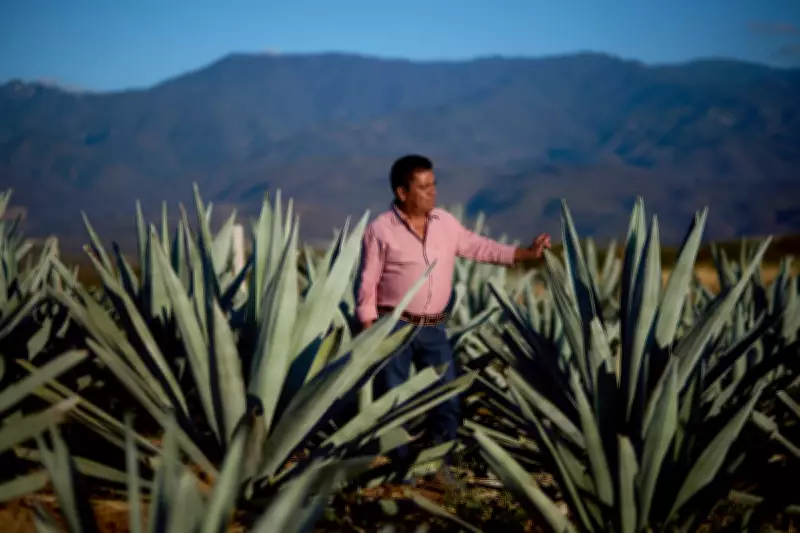
Mezcal derives from the agave plant, known locally as maguey. The most prevalent species for commercial production is agave espadin, prized for its relatively swift maturation of about six years. Premium offerings often feature rarer wild varieties like cuish and tobala, adding to the spirit's diverse appeal.
Environmental and Economic Crossroads
As Oaxaca—responsible for roughly 90% of Mexico's mezcal—sends its spirit to bars from New York to Tokyo, the region stands at a critical juncture. The industry's growth has undeniably uplifted many, yet it also raises urgent questions about sustainability. Deforestation for espadin cultivation, water usage, and the preservation of traditional techniques are pressing concerns that must be balanced against economic gains.
This report was supported by the Pulitzer Center. The Associated Press' climate and environmental coverage receives financial backing from multiple private foundations. AP maintains sole responsibility for all content, adhering to strict standards for philanthropic partnerships.