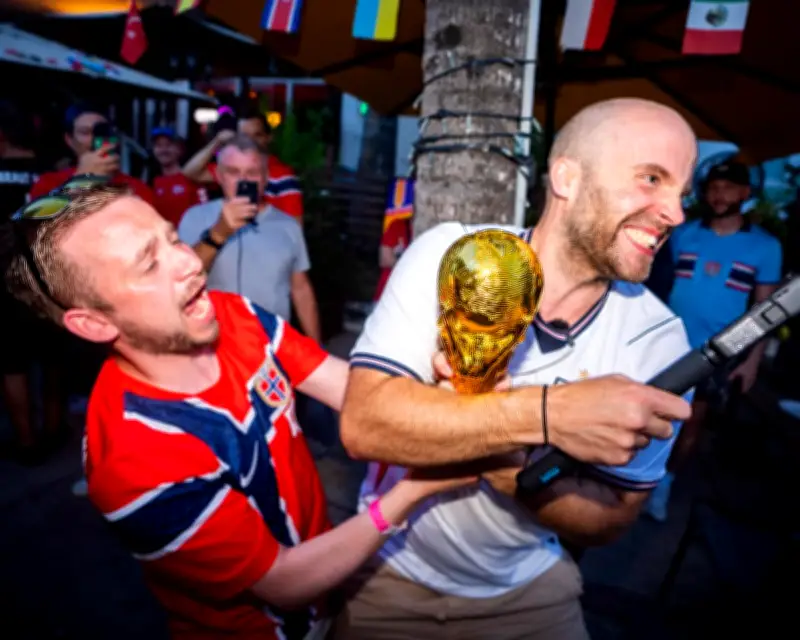
Norway's recent World Cup success can be traced back to a 2007 rule change by the Norwegian Olympic and Paralympic Committee and Confederation of Sports (NIF). The NIF revised how children participated in sport, ensuring no pressure was placed on them to choose one sport before they were old enough to decide themselves. Results pages and league tables were eliminated for younger age groups.
Multi-Sport Backgrounds of Norwegian Stars
Erling Haaland participated in handball, athletics, and cross-country skiing before choosing football at age 14. Alexander Sørloth played football (his father was a professional), handball (his mother was a professional), and speed skating during childhood. Ørjan Nyland, who was 17 when the new rules were introduced, also grew up doing handball and alpine skiing before becoming a goalkeeper.
Impact on Norwegian Sports
This approach emphasizes patience over urgency in childhood sports development. Norway has a track record of success with this model: in February, they topped the Winter Olympics medal table for the fourth consecutive Games, with a record 18 gold medals, outperforming countries 60 times larger. Most nations follow a model similar to Brazil's—identifying talent early and building pathways around presumed positions—which has produced beautiful football. However, Norway's success prompts a question: whether protecting a child's right to choose may be a better pathway.