England's Household Waste Collection System Set for Major Overhaul
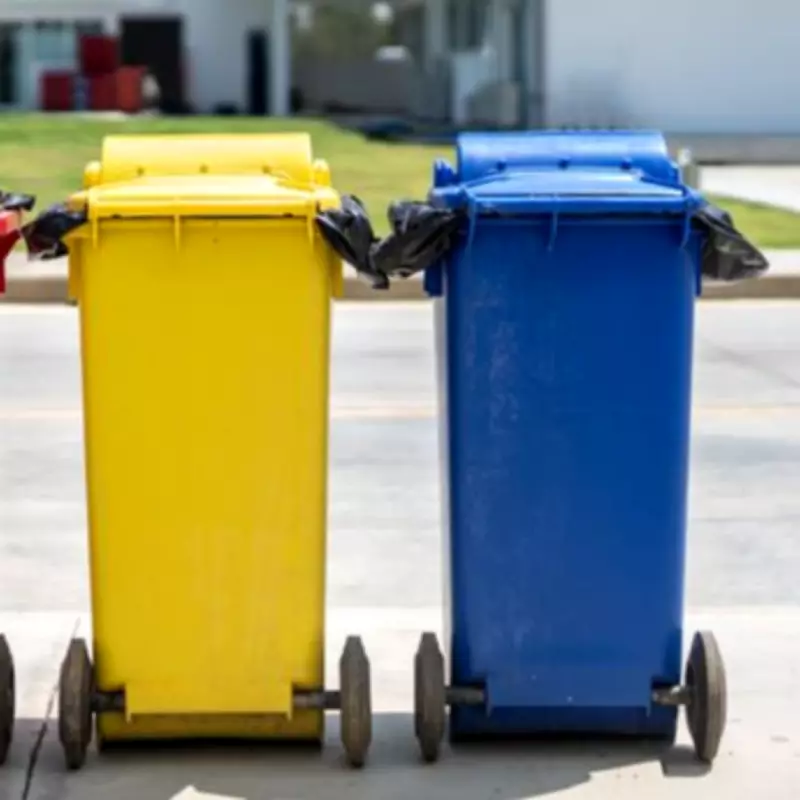
All households across England will be impacted by significant changes to bin collection rules starting from April 2026, as the government implements new 'Simpler Recycling' regulations designed to standardize waste management practices nationwide. The reforms will require local councils to collect four distinct types of waste separately, though many areas already operate similar systems.
Uniform System to Replace Current Patchwork Approach
Currently, England's waste collection system operates as a confusing patchwork, with different local authorities implementing their own rules and procedures for recycling and general waste. This has resulted in households grappling with varied requirements depending on their geographical location, often leading to contamination of recycling streams and reduced efficiency.
The government's new strategy aims to eliminate this confusion by establishing a uniform approach across the entire country. From March 31, 2026, all local councils in England will be legally obligated to collect four separate waste streams: food and garden waste, paper and cardboard, other dry recyclables including glass and plastic, and non-recyclable waste destined for landfill or energy recovery.

These separate collections must be made available to every household, including residents of flats and apartment blocks, ensuring the regulations apply universally regardless of property type. This represents a significant expansion of recycling infrastructure in multi-occupancy buildings where waste management has traditionally been more challenging.
Minimal Disruption for Some, Major Changes for Others
While the new rules will affect councils throughout England, not every household will experience immediate significant differences. Some local authorities already operate recycling schemes that largely align with the forthcoming requirements, meaning residents in these areas may see minimal disruption to their current waste management routines.
However, for many other households, the changes could result in new bins being distributed or alterations to current collection timetables as councils adapt their operations to meet the revised regulations. The transition period is expected to involve considerable logistical planning and public education campaigns to ensure smooth implementation.
Industry Expert Welcomes StandardizationSteve Cole, managing director of municipal services at waste management company Biffa, has welcomed the forthcoming changes, stating they should help tackle the long-standing confusion surrounding recycling collections. "For too long, households have struggled with a muddled and confusing patchwork of approaches to their bin collections," Cole explained. "Simpler Recycling will make recycling easier and more consistent by ensuring everyone can recycle the same materials, no matter where they live."
Environmental Objectives and Future Expansion
The reforms are designed to support the UK's broader environmental goals by minimizing the volume of rubbish sent to landfill and enhancing the overall efficiency of the recycling system. Encouraging households to segregate their waste more effectively is viewed as a crucial step in ensuring recyclable materials can be appropriately processed and reused rather than discarded.
Additional changes are scheduled for implementation the following year. From March 2027, waste collectors will be mandated to collect plastic film packaging and plastic bags as part of standard household recycling collections. These materials are currently challenging to recycle through most kerbside systems and are typically only accepted at supermarket collection points, resulting in many ending up in general waste.
Incorporating plastic film and bags into regular household recycling collections is anticipated to make it significantly easier for residents to recycle these problematic materials and could substantially reduce the amount of plastic waste entering landfill or the wider environment. This expansion represents the next phase in creating a comprehensive, user-friendly recycling system that maximizes material recovery while minimizing environmental impact.