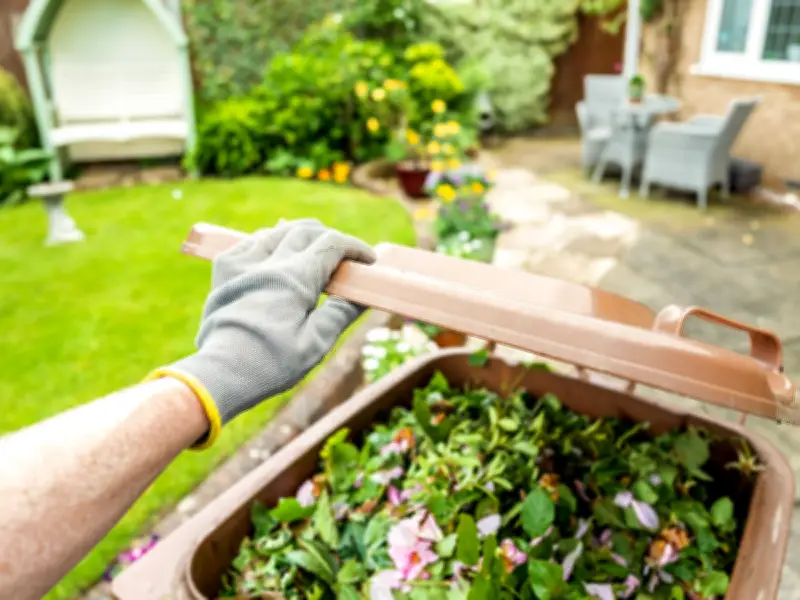
Garden waste bins offer a practical, hassle-free way to recycle green waste while keeping your outdoor area neat and presentable. They are intended for natural garden materials, including grass clippings, leaves, weeds and small branches.
Common Mistakes That Could Cost You
However, there are several commonly misunderstood items that should never be placed in your garden waste bin, according to experts. According to the Wheeldon Brothers, certain items can cause contamination, damage machinery, and even incur penalties of up to £5,000. From invasive plant species to overlooked household rubbish, disposing of the wrong items in your bin could land you with a council warning.
1. Soil
Soil is not accepted in the majority of garden waste collections, and attempting to include it could create problems for both you and your local council. Wheeldon Brothers said: "Soil is heavy, doesn't compost in the same way as leaves or grass, and can cause serious wear and tear to collection equipment. It's also a big contributor to overloaded bins, which can be dangerous for workers and may lead to your waste being left behind."
For modest quantities, incorporate it into a home compost heap or spread it elsewhere around your garden. For larger amounts, your nearest recycling centre is the most suitable option.
2. Pet Waste
Regardless of whether it comes from dogs, cats, or unwelcome garden visitors, animal waste is a "major red flag" for garden bins. While it may appear biodegradable, it can carry bacteria and parasites that are not eliminated by standard composting temperatures. According to experts, placing it alongside your garden waste risks contaminating the entire batch, rendering it unusable and "potentially hazardous".
Instead, follow your local council's advice on disposing of pet waste, or bag it and dispose of it with your general household rubbish.
3. Invasive Plants
Invasive plants such as Japanese knotweed should "never" go in the garden waste bin. The experts said: "Improper disposal of invasive species is one of the biggest legal risks people overlook. You could face a fine of up to £5,000 if you dispose of these plants incorrectly. In some cases, you even need a licensed waste carrier."
Always consult Government guidance if you're uncertain, as these plants can spread rapidly.
4. Food Waste
Even something as minor as a tea bag or fruit peel should not be placed in garden waste bins. It can draw in vermin and "throw off the delicate microbial balance in composting systems". Food waste ought to be placed in a separate caddy if your council supplies one, or added to a home compost heap where conditions can be monitored.
5. Plastics and Rubble
This covers items such as plant pots, seed trays and damaged tools. The experts said: "A lot of people assume that because something came from the garden, it's suitable for the garden waste bin, but plastics and rubble are a big contamination risk. These materials don't break down, damage composting machinery, and can spoil entire loads of otherwise usable compost."
Brits are also being advised to remain vigilant for incidental plastic waste, such as labels or netting wrapped around plants.