Mary Berry's Essential Gardening Tip: Why Deadheading Is Crucial for Blooms
Mary Berry, the beloved former star of The Great British Bake Off, has long been celebrated for her culinary expertise, but her passion for gardening is equally profound. As she prepares to release her memoir, My Gardening Life, on February 26, Berry is sharing the horticultural wisdom she has accumulated over decades of tending to her own plots. Having served as a Royal Horticultural Society ambassador since 2014, she describes gardening as "the second great love of her life", and her insights are now under the microscope of professional scrutiny.
The Most Important Task for Gardeners
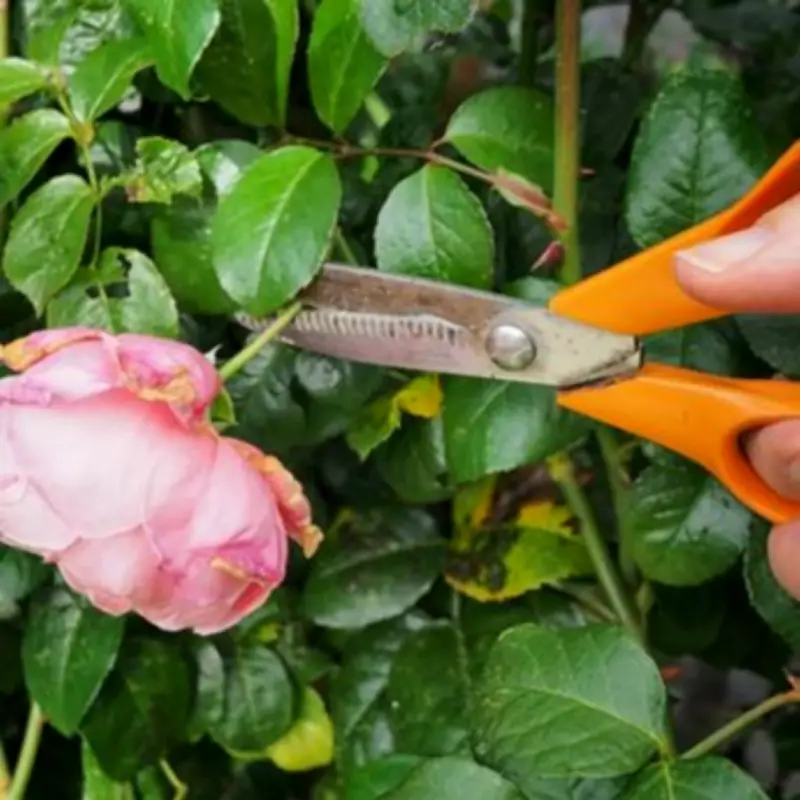
In her forthcoming book, Berry emphasises one simple yet vital task for gardeners: deadheading. She explains that this practice goes far beyond just roses, urging enthusiasts to apply it broadly to encourage better growth and more vibrant displays. "I think the most important thing is to deadhead," Berry states. "We always think of just deadheading roses. But of all the other plants, the more you deadhead, the more you encourage growth." This advice has been validated by Patrick Martin, a gardening specialist and proprietor of Frantoio Grove, a regenerative olive farm based in California, who confirms that Berry's philosophy is grounded in sound horticultural research.
Expert Validation and Benefits of Deadheading
Patrick Martin affirms that Berry is correct in her advocacy for deadheading. He explains that when plants bloom, their primary goal is reproduction; as flowers fade and seeds form, the plant redirects energy from blooming to seed production. By removing spent blooms, deadheading interrupts this cycle, prompting many plants to produce fresh flowers. "It's one of the simplest ways to extend your flowering season," Martin notes. "For plants like petunias, marigolds, zinnias, and dahlias, regular deadheading can mean weeks of extra colour." This technique not only enhances visual appeal but also promotes healthier, more vigorous growth throughout the gardening season.

Cautions and Exceptions to the Rule
However, Martin cautions that a "more is better" approach to deadheading does not apply universally. Certain plants rely on self-seeding to reappear in subsequent years, and overzealous deadheading can hinder their natural reproduction. Examples include:
- Foxgloves
- Hollyhocks
- Forget-me-nots
Additionally, some species, such as hydrangeas and sedums, develop decorative seedheads that add winter interest to gardens. Removing these too early can deprive gardeners of months of aesthetic pleasure. Martin advises: "Before you reach for the secateurs, it's worth knowing whether that plant is meant to reseed or whether those dried heads are part of the show, as blanket rules can backfire." This nuanced perspective ensures that gardeners can tailor their practices to each plant's specific needs, balancing Berry's enthusiastic recommendation with practical horticultural knowledge.
Conclusion: A Balanced Approach to Gardening
Mary Berry's emphasis on deadheading highlights a fundamental technique that can significantly improve flower growth and extend blooming periods. Supported by expert analysis, her advice offers a valuable tool for gardeners seeking to enhance their plots. Yet, as with all gardening practices, understanding individual plant requirements is key to success. By combining Berry's passionate guidance with Martin's expert insights, enthusiasts can cultivate more beautiful and sustainable gardens, ensuring that every snip of the secateurs contributes to a thriving outdoor space.