Labour's 'Tractor Tax' U-Turn: Inheritance Tax Threshold Triples to £2.5m
Labour raises farm inheritance tax threshold to £2.5m

In a significant policy reversal, the Labour government has substantially watered down its controversial plans to reform inheritance tax for farmers, following months of intense protests and criticism from the agricultural community.

Government Backtracks on 'Tractor Tax' Plans

Originally announced over a year ago, the so-called 'tractor tax' proposed major changes to how agricultural and business property could be passed on to the next generation. The initial plan would have seen the tax kick in for estates valued above £1 million. However, after what Environment Secretary Emma Reynolds described as "listening closely to farmers," the threshold has now been raised to £2.5 million.

Announcing the u-turn on Tuesday 23 December 2025, Ms Reynolds stated: "Farmers are at the heart of our food security and environmental stewardship, and I am determined to work with them to secure a profitable future for British farming. We have listened closely to farmers across the country and we are making changes today to protect more ordinary family farms."

What Are the New Inheritance Tax Rules for Farms?

The core of the change revolves around Agricultural Property Relief (APR) and Business Property Relief (BPR). Previously, farming businesses qualified for 100% relief on inheritance tax for these assets.

Under the revised plan:

  • Tax will now be imposed on farms with a combined business and agricultural asset value above £2.5 million, not £1 million.
  • The effective tax rate on assets above this threshold will be 20%, rather than the standard 40% inheritance tax rate.
  • When accounting for exemptions for each partner in a couple and for the farm property itself, the actual threshold before tax is due could be as high as £4.5 million.

The government's rationale for the original reform was to address fairness, citing Treasury figures that showed 7% of the wealthiest estates accounted for 40% of the total value of agricultural property relief, costing £219 million. Ms Reynolds defended the updated approach, saying: "It's only right that larger estates contribute more, while we back the farms and trading businesses that are the backbone of Britain's rural communities."

Impact and Reaction from the Farming Community

The policy shift dramatically reduces the number of farms expected to be affected. Treasury estimates suggest that only 11% of estates claiming APR were above the new £2.5 million threshold in 2022/2023, meaning nearly nine in ten farmers will avoid the tax. Under the old £1 million threshold, 31% of estates would have been in scope.

Consequently, the number of estates now expected to pay inheritance tax has plummeted from around 530 to approximately 180.

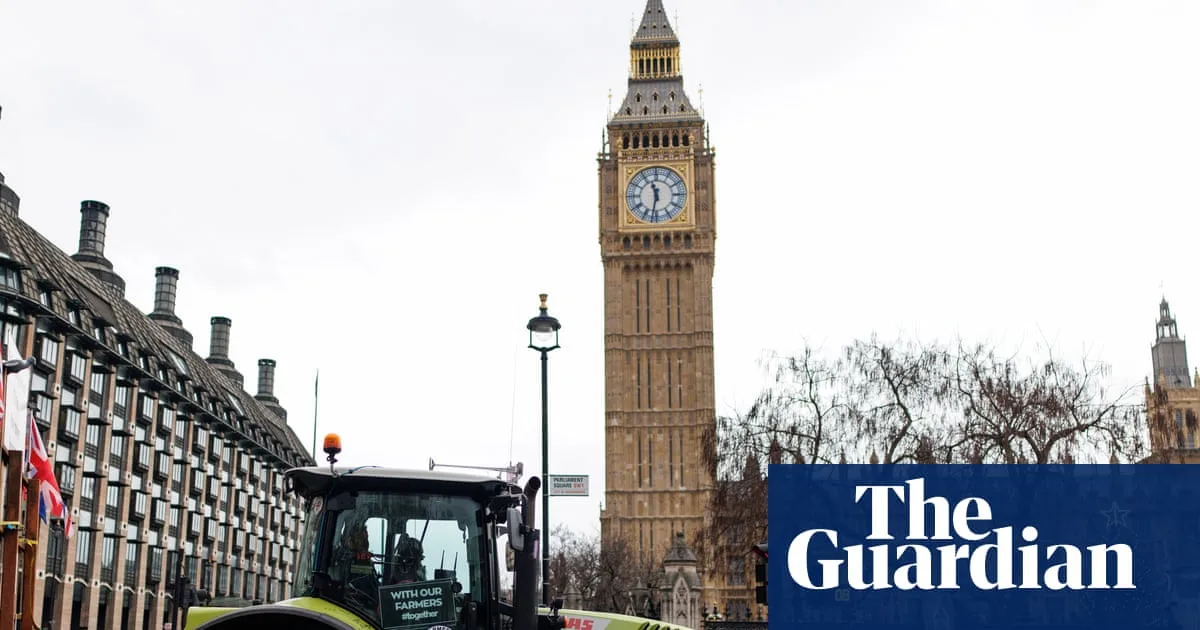
The change follows a government-commissioned report that found British farmers were "bewildered and frightened" for their industry's future, with inheritance tax changes a primary concern. This fear fuelled a series of protests in central London, including tractor convoys to Parliament.

National Farmers' Union (NFU) President Tom Bradshaw welcomed the update, stating: "I am thankful common sense has prevailed and government has listened." He had previously criticised the original plan as a "pernicious and cruel tax" that trapped elderly and vulnerable families, arguing that high asset values in farming often do not translate to high cash reserves to pay tax bills.

The government's u-turn marks a major victory for the farming lobby and highlights the political sensitivity of rural policy, even as ministers seek to fill what they describe as a multibillion-pound fiscal hole inherited from the previous Conservative administration.