
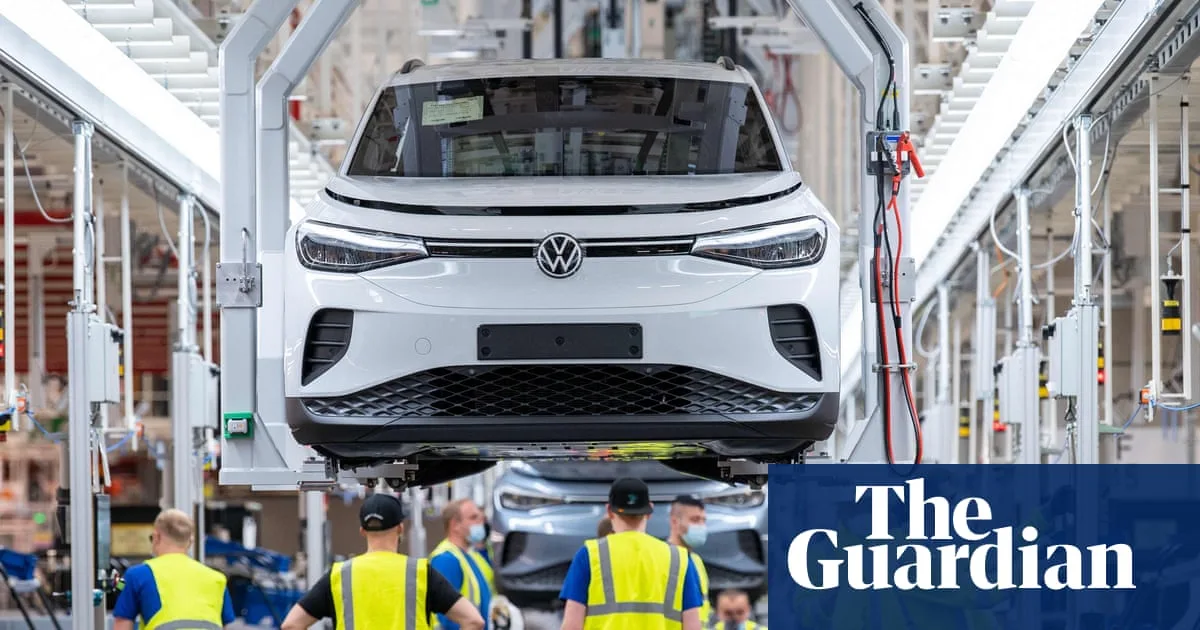
The European Commission has proposed softening its landmark 2035 ban on the sale of new petrol and diesel cars, reducing the requirement for 100% zero-emission vehicle sales to 90%. The move follows intense lobbying from the automotive industry and several EU member states, including Germany and Italy.
Under the revised plan, manufacturers would be allowed to produce up to 10% of vehicles with internal combustion engines beyond 2035, provided they offset emissions through other green measures such as using European-made green steel or biofuels. The Commission described this as a 'carrot-and-stick' approach that would keep Europe on track for electrification while offering flexibility.
European Climate Commissioner Wopke Hoekstra called the proposals a 'win-win' for consumers and industry, allowing plug-in hybrids, range extenders, and mild hybrids to continue alongside fully electric and hydrogen vehicles. Transport Commissioner Apostolos Tzitzikostas said the plan gives 'the market and the consumer the freedom to decide which technology they want to drive.'
Environmental groups criticised the decision. Chris Heron of E-Mobility Europe said it was 'the wrong time for Europe to take the wind out of its own sails,' while Greenpeace Germany's Martin Kaiser called it 'an early Christmas present for Chinese electric car manufacturers.' Greenpeace UK urged the British government not to follow suit.
The Commission also announced measures to boost small electric cars, offering incentives for vehicles under 4.2 metres long priced between €15,000 and €20,000. Additionally, targets for electric vans were relaxed, reducing the required 50% CO2 reduction by 2030 to 40%. The proposals require approval from EU governments and the European Parliament.




