Houseplant Hack: Should You Let Tap Water Stand Before Watering?
For houseplant enthusiasts, rainwater is often hailed as the gold standard for hydration, but not everyone has access to a garden, water butt, or the motivation to collect it. Many plant owners rely on tap water, raising the crucial question of how to make it as plant-friendly as possible. Chlorine is commonly added to tap water as a disinfectant, and sensitive plants such as calatheas, ferns, and carnivorous varieties can exhibit adverse effects, including crispy leaf edges and overall poor health.
The Overnight Watering Solution
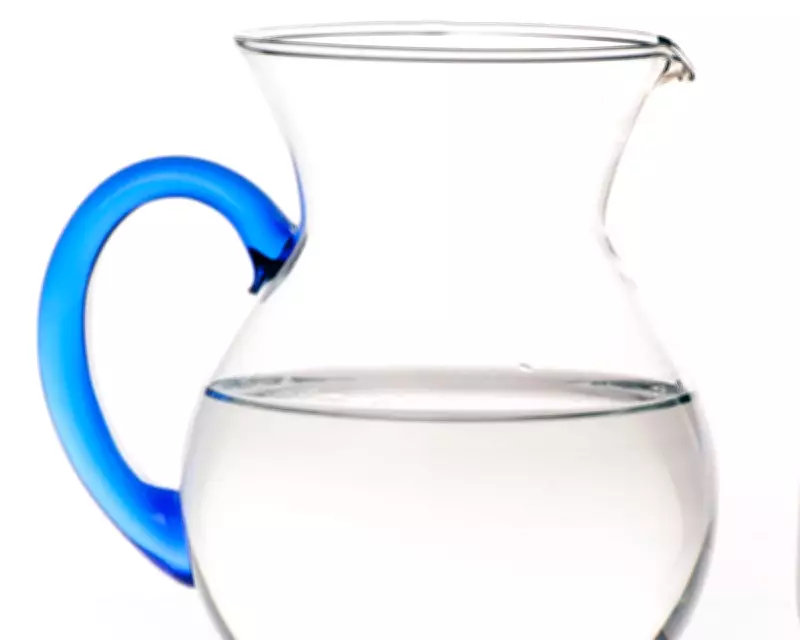
A popular and cost-effective hack among plant communities involves leaving tap water to stand overnight. This simple method requires no special equipment and has been passed down through generations of gardeners. By filling a wide-mouthed container with tap water and leaving it at room temperature overnight, the chlorine evaporates into the air, resulting in softer, kinder water for your plants' roots.
In practical tests, calatheas showed visibly cleaner leaf edges within just a few weeks of switching to this "overnight tap water" approach. This demonstrates the tangible benefits for sensitive species that are particularly vulnerable to chemical additives.

Limitations and Alternative Solutions
However, it is important to note that this hack is not universally effective. In some regions of the UK, water companies use chloramine instead of chlorine, which does not evaporate easily. If you have tried the overnight method and your plants continue to display symptoms like crispy edges or spots, it may be worth checking your local water supplier's report.
In such cases, alternative solutions include using a carbon-filter jug, opting for distilled water, or making efforts to collect rainwater. These methods provide more reliable fixes for areas where chloramine is present, ensuring your houseplants receive the best possible care without harmful residues.
This houseplant hack highlights a simple, zero-cost way to improve tap water for gardening, but awareness of local water treatments is key to achieving optimal plant health.