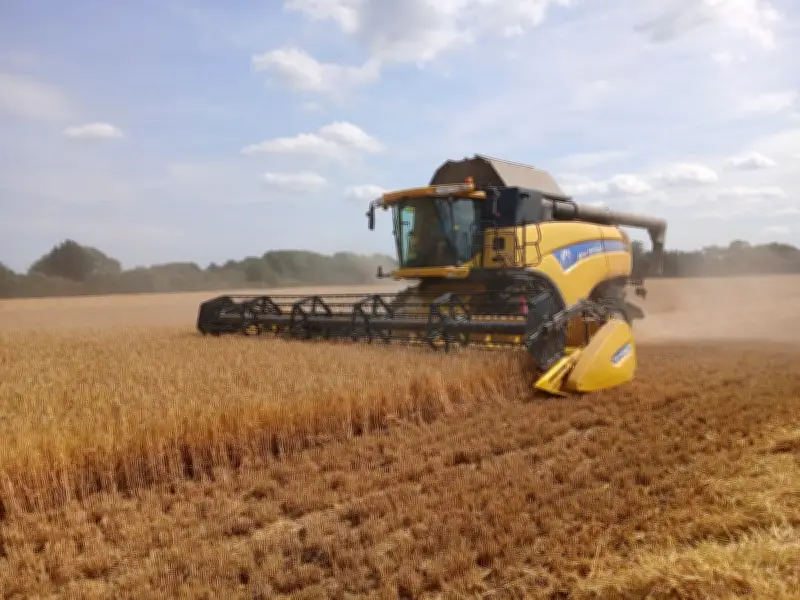
Winter barley for seed is usually first, followed by oilseed rape (OSR), then wheat, and beans are nearly always last, often in September. But this year, even beans are heading toward harvest in early July. Twenty years ago, harvest would start around the third week of July; now it has crept forward by three weeks.
Earlier Harvest Brings Mixed Benefits
The earlier harvest is good in a way, although it curbs yields as plants cannot ripen properly and heat accelerates growth. However, it means cutting crops in longer daylight and avoiding spending money on drying them. Moisture content is vital: wheat and barley must be below 15% moisture and oilseed rape below 9% to prevent storage issues like moulds and pests.
Moisture is also susceptible to heat. In France, maize crops are “packing up,” and OSR moisture is as low as 3% due to sweltering temperatures. The critical temperature is 35°C—the point where pollination becomes unviable and the plant shuts down—and this is of increasing relevance in the UK.
Climate Challenges and Harvest Pressure
The crops survived winter flooding and two heatwaves, but another hot spell is on the way. The culmination of a year’s hard work is now underway. The author’s son has replaced him at the wheel of the air-conditioned combine, and he hopes everything falls into place. A rainfall delay creates quality issues and uncertainty about which crop to prioritise.
Growing milling bread wheat and marrowfat peas for the fish and chip shop trade has always been a gamble, as they can clash at harvest. Adding spring malting barley and delayed OSR ramps up the pressure. In less than six weeks, with luck, all will be safely gathered, and the gamble of growing human-grade crops in an ever more volatile climate begins again.