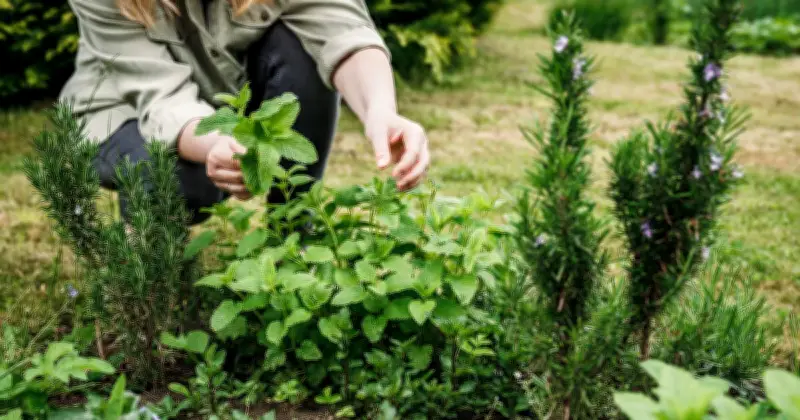
David Domoney, a gardening expert, explains that growing herbs in your garden this summer is simple and rewarding, whether in containers, beds, or pots. Fresh herbs can transform simple barbecue dishes into fragrant feasts, and many herbs thrive in containers placed conveniently near the cooking area.
What Herbs to Grow
Domoney recommends starting with herbs you are most likely to use. Rosemary, thyme, oregano, and sage are excellent for barbecue cooking, especially with grilled meats, potatoes, vegetables, and halloumi. Their strong flavours mean a little goes a long way. For more delicate, fresher flavours, grow parsley, chives, basil, coriander, dill, and mint. These work well in salads, dressings, marinades, dips, and as a final garnish. Mint should be grown in its own pot as it spreads vigorously.
How to Grow Herbs
Mediterranean herbs like rosemary, thyme, oregano, and sage prefer warmth and free-draining soil. They do not like sitting wet, so avoid heavy ground that stays damp. Leafier herbs such as parsley, basil, coriander, dill, and chives need regular moisture. In hot July weather, check them often as they can wilt quickly. Harvest little and often to encourage fresh growth, snipping stems just above a pair of leaves. Pinch out basil and coriander flowers to prolong leaf production.
Growing Herbs in Containers
Containers are ideal for herbs because they can be kept close to the kitchen or outdoor dining area. Use pots with drainage holes and fill with peat-free compost. For rosemary, thyme, oregano, and sage, mix in grit to improve drainage. Grow leafier herbs in a separate container with richer compost as they need more water.
How to Use Them
Use herbs to build flavour before, during, and after cooking. Rosemary and thyme can be added to marinades, potatoes, chicken, fish, and roasted vegetables. Oregano works well with tomatoes, peppers, aubergines, and halloumi. Sage suits pork, onions, and buttery vegetable dishes. Softer herbs are best added at the end as a garnish. Scatter parsley, chives, dill, or basil over salads, dressings, yoghurt dips, flatbreads, and grilled vegetables. For drinks, add mint to lemonade, elderflower cordial, iced tea, or mojitos. Basil pairs well with strawberries and citrus, while rosemary suits grapefruit, orange, gin, or sparkling apple drinks.
Focus Plant: Fatsia japonica
Fatsia japonica is a striking evergreen shrub that brings bold structure and glossy foliage to the garden all year. By July, its large, hand-shaped leaves create a lush architectural presence, particularly in shady corners. It shines in tropical-style schemes, courtyard gardens, sheltered borders, and large containers. The classic variety has deep green leaves, while ‘Spider’s Web’ offers white-speckled foliage and ‘Variegata’ has cream-edged leaves. Fatsia japonica grows best in moist, well-drained soil in partial or full shade. It tolerates some sun but not very hot, exposed conditions. July care includes watering well during dry spells, removing yellowing or damaged leaves, and leaving hard pruning until spring.
July Gardening Jobs
Domoney lists five key tasks for July: sow chicory for autumn and winter leaves; pick blackcurrants when fully coloured and ripe; prune cordon-trained gooseberries after fruiting; skim duckweed from ponds in warm weather; and sow dwarf French beans in mild southern areas or sheltered gardens for a late crop.
Did You Know?
Some hoverflies help gardeners at two life stages: adults visit flowers for nectar and pollen, while larvae feed on aphids. Night-scented stock releases its strongest fragrance at night to attract moths. Allotments have roots in the Anglo-Saxon open-field system. Rain gardens can absorb up to 30% more water than a lawn, according to Domoney.