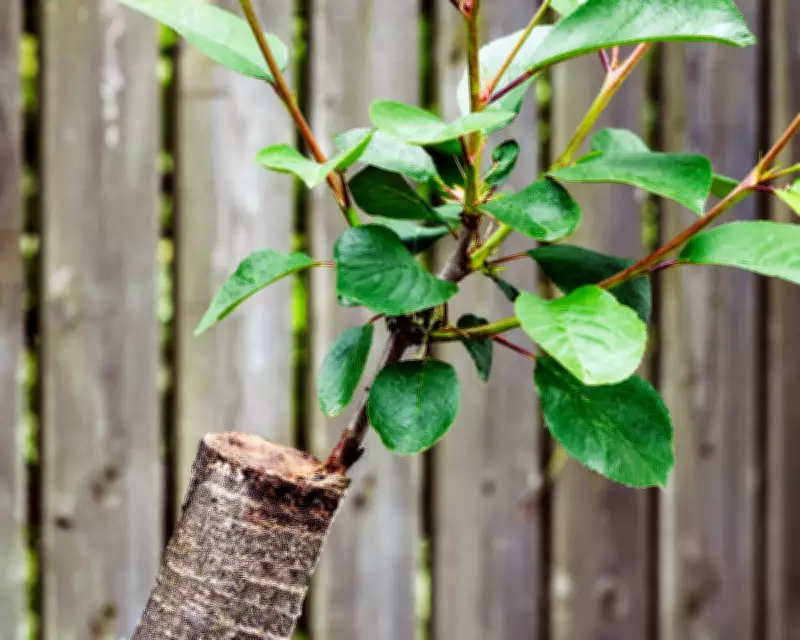
The Art of Grafting: Uniting Plants for Horticultural Magic
If your garden lacks the space for a full-size fruit tree, grafting offers a clever solution. This technique involves joining two plants from the same species or genus to grow as a single entity, blending their best qualities. For instance, you can graft a delicious apple variety onto a smaller rootstock, creating a tree that produces desired fruit while fitting into modest gardens.
How Grafting Works: A Step-by-Step Guide
Grafting requires precision: make clean cuts on the scion (the top part) and rootstock (the rooted base), align their cambiums—the growth layer inside stems—and bind them together. Over time, these sections fuse, forming one robust plant. This method is commonly used in fruit tree cultivation, explaining how a single cherry tree might display both white and pink blossoms, as if two trees were spliced together.
Practical Applications Beyond Fruit Trees
While grafting is an advanced skill few gardeners master, understanding it is valuable, as it underpins many plants available for purchase. The principle of aligning and binding plant tissue can also aid in emergencies. For example, if you accidentally snap a tomato plant stem, use a splint and tape to secure it; with support, the stem may fuse and yield a harvest within weeks.

Inspiring Examples and Creative Possibilities
For those who excel at grafting, artistic ventures await. Artist Sam Van Aken created The Tree of 40 Fruit, bearing peaches, plums, apricots, nectarines, cherries, and almonds on one tree—perfect for limited spaces. This showcases grafting's potential to transform gardening, making it a magical practice worth exploring for any enthusiast.