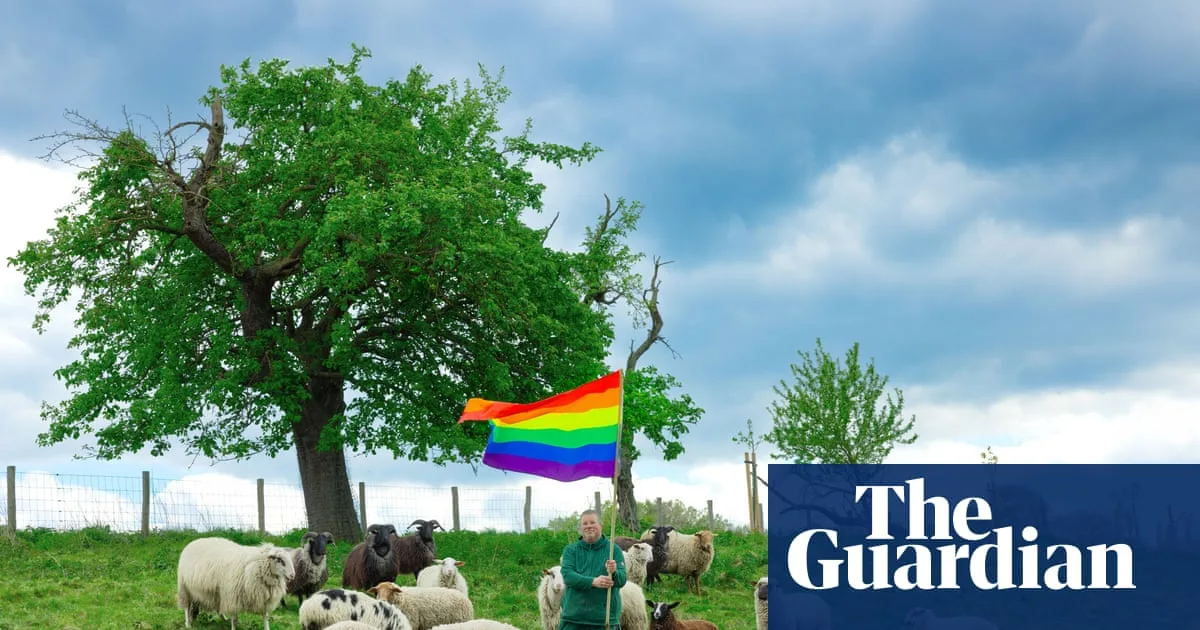
In a unique fusion of animal welfare, agriculture, and LGBTQ+ advocacy, a German farmer is providing sanctuary to rams who show same-sex attraction, saving them from slaughter. Their wool has now taken centre stage in a provocative New York fashion show, sparking global conversation about nature, identity, and ethics.
From Slaughter to Sanctuary: The Birth of Rainbow Wool
Michael Stücke, a gay farmer with three decades of experience in Westphalia, Germany, co-founded Rainbow Wool with business partner Nadia Leytes. The idea was born from a desire to intervene in a harsh farming reality: rams who consistently refuse to mate with ewes are typically culled for meat. Research suggests up to 8% of male sheep are "male-oriented", but this natural behaviour is often viewed as a commercial liability.
"My heart beats for the weak and oppressed in general," Stücke told the Guardian. "I am gay myself and know the prejudices and obstacles that come with being a gay man, especially in the agricultural business."
Their solution is direct and compassionate. Rainbow Wool buys gay rams from breeders, outbidding slaughterhouse prices, and keeps them for their wool. The flock now numbers 35, with a waiting list for more. Each sheep can be sponsored and named—including Wolli Wonka and Prince Wolliam—and all profits are donated to LGBTQ+ charities in Germany, supporting initiatives like relocating people from countries where homosexuality is illegal.
Flehmen and Fashion: The Flock Hits the Catwalk
Identifying a sheep's sexual orientation requires careful observation. Stücke notes the distinctive "flehmen response"—where a ram curls its lip to draw in scents—is constantly seen among his males as they interact. "They're cuddling. They're showing signs of affection," he said. Crucially, a ram must consistently refuse to mate with females to be considered for the sanctuary, distinguishing true preference from general dominance.
Last month, this wool with a story burst onto the high-fashion scene. Designer Michael Schmidt, a collaborator with Chrome Hearts, created a 36-piece knitwear collection sponsored by gay dating app Grindr. Titled I Wool Survive, the collection was entirely crafted from Rainbow Wool's fleece and showcased in New York. The looks represented male archetypes, from Adam sans Eve to a pool boy, sailor, and leather daddy.
"I really wanted to lean into the gay," Schmidt told the New York Times. "It's selling an idea more than a collection... the idea is that homosexuality is not only part of the human condition, but of the animal world. That puts the lie to this concept that being gay is a choice."
Controversy and the Limits of the Metaphor
The project has not been without its critics or dangers. Stücke has had to move the flock due to online threats, and scholars have questioned the framing. Some argue that applying human labels like "gay" to animals is problematic, as sheep cannot articulate identity or consent. Others contend the initiative whitewashes the inherently exploitative nature of animal farming, which relies on "brutal, violent heteronormativity" for reproduction and profit.
The debate highlights complex questions. When asked about creating a sanctuary for lesbian sheep, Stücke acknowledged the difficulty, as female sheep's consent in mating is rarely considered in commercial settings. This leads to broader ethical dilemmas about farming itself.
Despite the controversies, Stücke finds profound personal meaning in the work. Having struggled with self-acceptance growing up in a conservative family, he sees the project as a powerful metaphor. "If we can save an animal who is living in a different way, it sends a powerful message," he said. For now, his unique flock continues to graze safely, their wool weaving a narrative of acceptance from the German countryside to the New York catwalk.




