Cumbrian Farmers Voice Concerns Over White-Tailed Eagle Reintroduction Plans
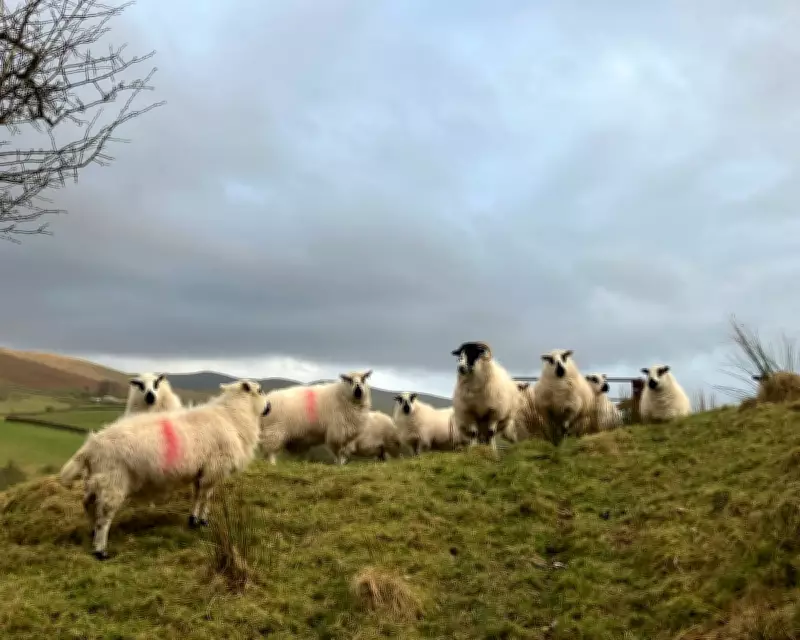
In the uplands of Tebay, Cumbria, lambing season is underway, but a shadow looms overhead for local farmers. A planned reintroduction of white-tailed eagles, also known as sea eagles, has sparked intense debate and worry among those who rely on sheep farming for their livelihoods. Many fear these apex predators could harm their flocks, adding to existing predation challenges.
Personal Losses Highlight Predation Fears
Andrea Meanwell, a farmer with nine springs of experience at her Cumbrian farm, shares a devastating story from last year. She lost 13 Ouessant lambs without a trace after putting them outside to graze at just four days old. "It wasn't a fox or a badger, as we know what a predated carcass looks like," she explains, ruling out common culprits like mink. While buzzards are present in the area, they are not typically known for taking live lambs, leaving the mystery unsolved but the loss profound.
This experience has led Meanwell to adjust her practices, keeping lambs indoors for longer periods to protect them. Lamb predation remains a hot topic locally, with farmers protesting at auctions and shepherds' meets against the eagle reintroduction. The controversy centres on whether white-tailed eagles actively prey on live lambs, with evidence suggesting it varies by region.

Debate and Mitigation Efforts in Scotland
In Scotland, where sea eagles have been reintroduced, NatureScot acknowledges predation as an issue and offers a payment scheme to sheep farmers for mitigation. This suggests that in areas with scarce wild prey, eagles may turn to livestock. Meanwell argues that instead of introducing apex predators, efforts should focus on rebuilding ecosystems with ample habitat and natural food sources, which might eventually attract eagles naturally.
Despite these concerns, Meanwell runs a nature-focused farm, celebrating an abundance of birds like nuthatches and grey wagtails as signs of ecological health. She believes a balance between sustainable farming and wildlife conservation is achievable but requires careful management.
Looking Ahead: Balancing Nature and Livelihoods
As lambing season progresses in Tebay, farmers remain vigilant. The planned reintroduction of white-tailed eagles in Cumbria continues to stir emotions, highlighting the delicate interplay between conservation goals and agricultural realities. With spring bringing new life to the fells, the question persists: how can communities foster biodiversity without compromising their economic stability?