Pig Farmer Advocates Electric Shift to Slash Future Food Prices
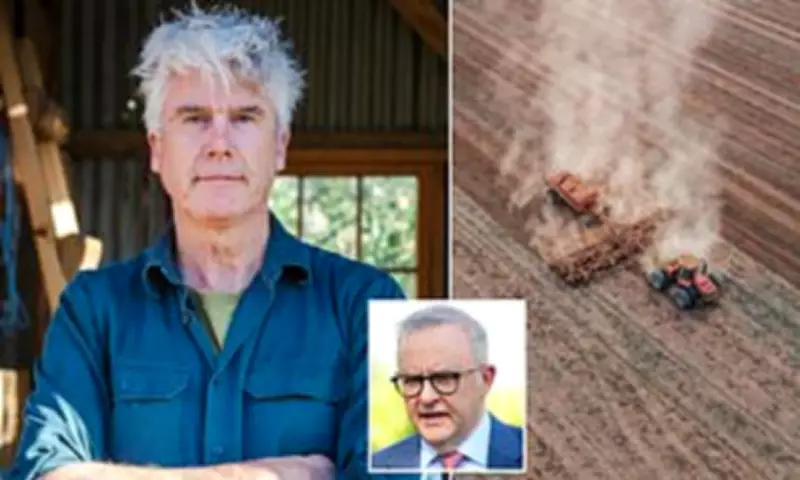
Tasmanian pig farmer and food activist Matthew Evans has proposed a radical solution to Australia's ongoing fuel crisis, suggesting it could ultimately lead to significantly cheaper groceries for consumers. Evans, who operates a 70-acre farm in the Huon Valley south of Hobart, believes the current diesel and fertiliser shortages present a critical opportunity for the agricultural sector to transform its practices.
The Electric Farming Revolution
Evans points to China's remarkable transition to electric vehicles as a model for Australian agriculture to follow. In 2024 alone, China sold over 12 million electric vehicles, with approximately half of all new car sales being electric—a dramatic increase from just six percent in 2020. He predicts similar electrification of farm machinery could yield substantial economic benefits.
'I think we can save 20 percent in the cost of produce that comes from farmers,' Evans told the Daily Mail. 'We need to make changes now or we will see higher food costs across the board forever and we don't need to do that.'

The farmer envisions a future where solar panels on farmhouse roofs power electric trucks and tractors, insulating agricultural operations from volatile global oil markets. 'We're on the cusp of rolling out electric trucks and tractors,' he explained. 'The energy transformation is about to reach big machinery, transforming the way we grow food.'
Soil Health Over Imported Fertilisers
Beyond electrification, Evans emphasises that improving soil quality represents what he calls 'the really big, low-hanging fruit' for Australian agriculture. He argues that current farming practices rely too heavily on imported fertilisers rather than building natural soil fertility through sustainable methods.
'There are ways to improve soil fertility on farms where you're reliant on your own skills and capacity and that's about building soil health,' Evans said. 'We rely on fertiliser rather than soil health.'
This dual approach—electrifying farm machinery while enhancing soil quality—could fundamentally change Australia's food production system. Evans warns that without such changes, the country remains vulnerable to global disruptions. 'Australia's entire food system relies on imported fertiliser and diesel,' he noted. 'When that gets disrupted, everything gets more expensive, and that flows straight through to supermarket prices.'
Imminent Food Supply Challenges
The current crisis represents the third major fuel and fertiliser shock in just six years, following the COVID-19 pandemic and the Ukraine war, during which fertiliser prices soared by 200 percent. Evans describes this as a 'terrible time for farmers' and warns of an impending food shortage.
'About 40 percent of vegetable growers aren't planting or are considering not planting,' he revealed, 'so we're in for a big shock with supply later in the year.'
He further cautioned that 'diesel is never going to be as cheap as it was and will get scarcer while artificial fertiliser remains dependent on burning a lot of gas or oil.'
National Conference Seeks Solutions
Australia's farming community will gather next week for Grounded 2026, a national conference bringing together over 80 farmers, scientists, and industry leaders. The two-day event aims to develop practical methods to reduce dependence on imported fertilisers and fuels.
Despite the challenges, Evans remains optimistic about the potential for positive change. 'As appalling as this crisis is, I see it as a moment where we can start a conversation about the future,' he said. 'If we don't become self-reliant rather than relying on imports, I think the food system is going to be in for a massive shake-up.'
Australia currently produces enough food to feed three times its population and exports approximately 70 percent of its agricultural output, giving the country a strong foundation from which to implement these proposed changes.