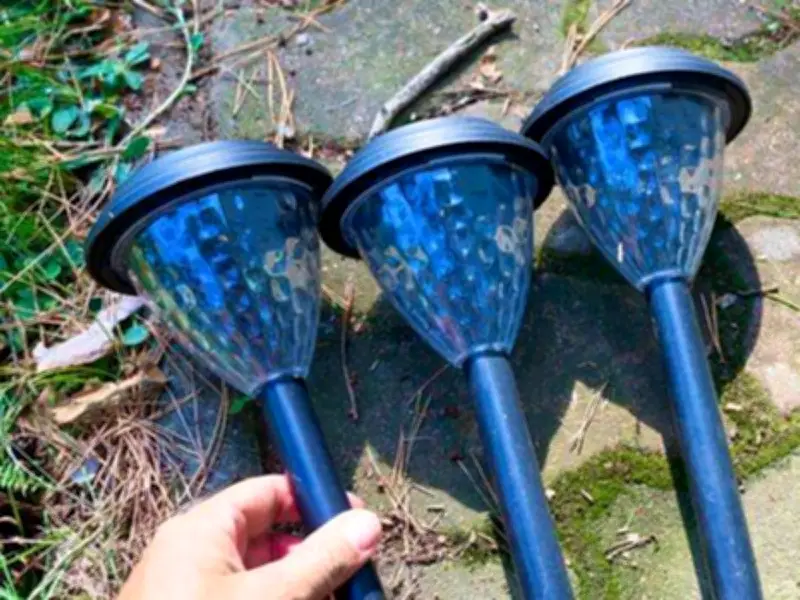
Solar-powered lights can transform a garden into a stunning spectacle after dark, and with summer now in full swing, there's never been a better time to make the most of them. However, they often lose their brightness and malfunction, largely because most people fail to inspect them regularly.
Paul Higgins, an expert from Electrical Faults Fixed, has highlighted the importance of checking your solar-powered lights, as pollen and other common garden debris can quickly accumulate on them. He said: "Like any other outdoor fixture, solar garden lights are exposed to various elements such as dust, stubborn dirt, bird droppings, and harsh weather conditions that can affect their performance over time."
Why July Is Critical for Solar Light Maintenance
It is strongly advisable to examine your solar-powered lights at least once a month, particularly as the dry conditions at this time of year encourage a significant build-up of dust and pollen. July also sees more people venturing outdoors, and routine gardening tasks such as mowing the lawn can scatter debris that settles on your lights.
Even the thinnest layer of grime can render solar lights ineffective by completely blocking sunlight from reaching the battery — the most common cause of failure. If dirt accumulates on solar lights, it can ultimately lead to cracking, allowing moisture to penetrate the battery and cause irreparable damage.
Fortunately, cleaning solar-powered lights is a straightforward task that should take no longer than five minutes, ensuring your garden remains beautifully illuminated in no time at all.
How to Clean Solar-Powered Lights to Keep Them Working Properly
Take care to avoid using a stiff-bristled brush when cleaning your solar lights, as they can be scratched very easily. Be as gentle as possible. Next, combine a small amount of washing-up liquid with warm water in a bowl, then dip an old toothbrush into the soapy solution and use it to remove any built-up dirt and dust. Washing-up liquid is mild enough not to harm the protective coating on the solar light, and is ideal for lifting any stubborn dust that has stuck to the surface.
Paul said: "Avoid using harsh chemicals or abrasive cleaners and instead only opt for mild detergents when cleaning your lights, especially the solar cells' surface." Be sure to use only a few drops of washing-up liquid, as too much will leave a residue that will equally block sunlight and render cleaning the garden light entirely futile.
Should you encounter any persistent debris that refuses to budge, add one teaspoon of white vinegar to your soapy mixture. Vinegar's acidity can break down tough stains while remaining gentle enough to avoid damaging the solar light. Don't be too concerned if you do spot minor scratches on your solar lights, as clear nail varnish can be applied to shield the light from water or dirt that might penetrate the crack.
Paul said: "If there appear to be any surface scratches on the solar cells after cleaning, a clear nail polish can be used as a protective layer to prevent scratches from occurring." Following cleaning, examine the light to confirm the battery, metal components, and plastic casings are dust-free and undamaged.
Your solar lights should now be thoroughly clean and shining brightly, allowing you to make the most of your summer evenings in the garden in comfort, rather than straining to see in the dark.