
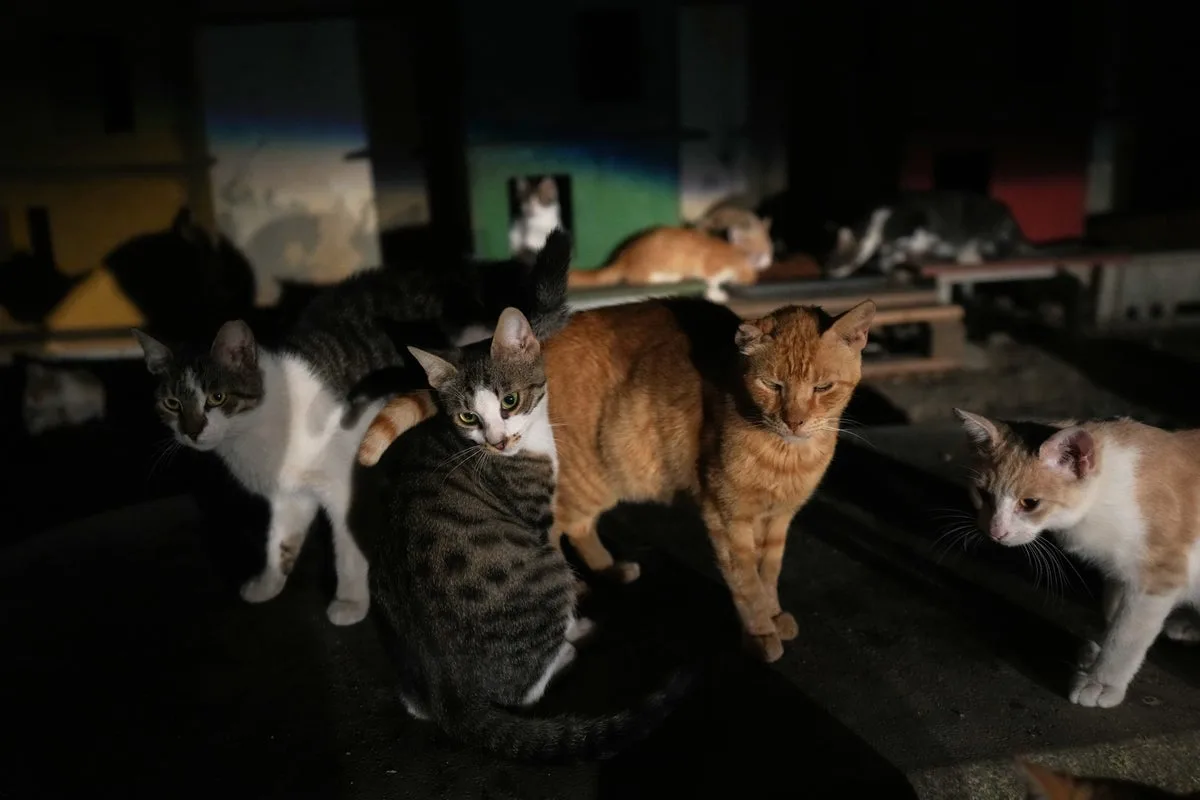
Cyprus, the eastern Mediterranean island nation, is grappling with a severe feral cat overpopulation problem. Officials estimate there is roughly one cat for every one of the island's million inhabitants, but activists believe the true number is hundreds of thousands higher. The parliamentary committee on the environment heard in late September that the current sterilisation programme is insufficient to control the growing population.
Environment Commissioner Antonia Theodosiou described the programme as good but in need of expansion, noting it conducts only about 2,000 sterilizations annually on a budget of 100,000 euros ($117,000). In response, Environment Minister Maria Panayiotou announced on World Animal Day (4 October) that funding would be tripled to 300,000 euros per year. However, Charalambos Theopemptou, chairman of the Parliamentary Environment Committee, warned that money alone is not enough, stressing the need for a comprehensive plan.
The large cat population poses risks to the island's ecosystem and causes suffering for feral felines on busy streets. Cyprus has a long history of cat domestication, with archaeological evidence dating back 9,500 years and a 4th-century legend linking Saint Helen to cats. Tourism, a key economic driver, has made the well-fed felines a major attraction for visitors.
Demetris Epaminondas, president of the Veterinary Association, attributes the population explosion to unchecked breeding, especially in urban areas, and higher kitten survival rates due to public care. The government-run programme distributes funds to municipalities, which pay private vets for sterilizations. State Veterinary Services admit the programme's capacity is 'lesser than the real need' and have asked local authorities to identify areas with high feral cat concentrations.
Elias Demetriou, who runs the private sanctuary Friends of Larnaca Cats, said tripling funds will not work unless conservation groups with expertise are involved in rounding up cats. Eleni Loizidou, head of Cat Alert, described her group's recent sterilisation of 397 cats in Nicosia as a 'drop in the ocean', noting the difficulty of trapping feral females. Epaminondas believes the population could be controlled within four years if authorities implement a unified plan that puts private clinics at the forefront, offering free neutering with minimal bureaucracy.




