Still uncertain about composting? Here is why and how to produce 'black gold' for your garden. Composting offers a win-win scenario: you save money while diverting eggshells, coffee grounds, and weeds from landfills. Compost stands as the finest soil amendment available, improving any soil type. Sandy soil? Add compost. Dense clay? Add compost. Nutrient-deficient? Add compost. That is why gardeners call it 'black gold.' It enhances water retention in sand and drainage in clay while introducing billions of beneficial organisms that nourish plants over time.
Location, Location, Location
Before starting, decide between an open pile or a contained bin. Compost bins and tumblers range from $50 to $300, which may be worthwhile for aesthetics. However, an open pile in a back corner works just as well. Alternatively, create a receptacle by bending chicken wire into a round or oval shape, fastening ends with twine or zip ties, and anchoring it with stakes. Place your pile or bin close enough to avoid neglect but not right next to your dining area. A properly maintained pile of rotting garbage does not produce unpleasant odors.
Proportions Matter
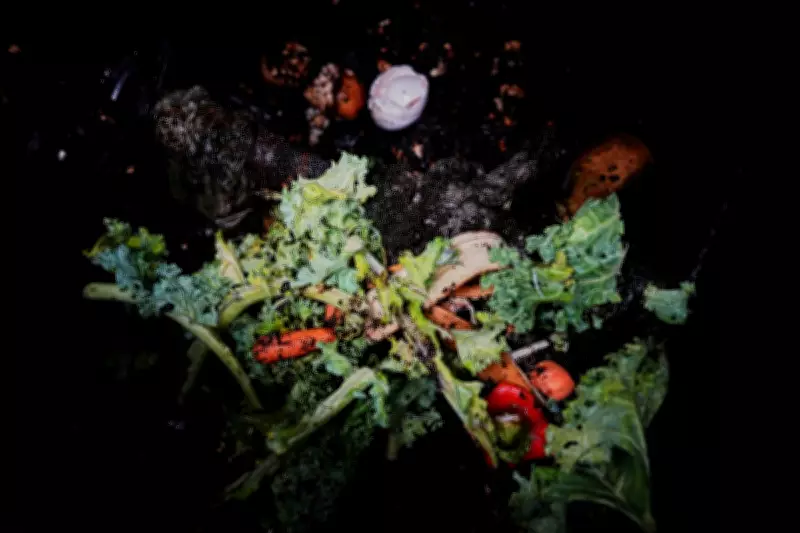
Compost ingredients fall into two categories: 'browns' and 'greens,' added in nearly equal parts. Browns, usually but not always brown, include spent perennials, dry leaves, cut-up undyed leather, twigs, paper, and straw. They should constitute 50% or slightly more of the pile. Browns are carbon-rich and prevent bad smells. Green materials, rich in nitrogen, are mostly green or fresher than browns. They include grass clippings, fruit and vegetable scraps, and freshly picked weeds without seeds. Cornstarch packing peanuts and coffee grounds, though not green, are also considered greens. Greens should make up 50% or slightly less of the pile. Cutting large or coarse ingredients like banana peels speeds decomposition. Never add meat, fish, dairy, fat, or oils. Avoid diseased plants, weeds with seeds, plastic, glass, or non-biodegradable items. Manure from herbivores (rabbits, cows, horses) is fine, but avoid waste from carnivores, including dog poop and cat litter.

Caring for Your Compost
Keep the pile moist but not soggy. Monitor moisture and sprinkle water if it dries out, especially when adding new layers. Decomposing bacteria heat the pile's center, 'cooking' the compost. Turn the pile with a pitchfork or spade (or spin a tumbler) about twice weekly to distribute heat evenly. The process takes from a couple of months (for small, regularly turned and moistened piles) to a couple of years (for large or neglected piles). The result is dark, crumbly, nutrient-rich amendment resembling soil. If larger pieces like sticks remain, sift them out with a screen. Use a 1/2-inch (1.4 cm) screen for potting mix or garden beds, and a 1/4-inch (0.6 cm) screen for seed-starting mix. Rub compost against the screen with a gloved hand. Incorporate compost into new beds before planting, mix into containers, scatter over lawns, or use as mulch. It provides slow-release nutrients, strengthens roots, and creates healthy soil that supports plants over time.