What Is Companion Planting and How Can It Transform Your Vegetable Garden?
Many allotment holders and vegetable gardeners strongly advocate for companion planting, a technique involving the cultivation of specific crops alongside others to significantly enhance harvest yields. According to Charles Dowding, a renowned gardener, teacher, author, social media influencer, and pioneer of the 'no dig' method, crops that taste delightful together often thrive when grown in proximity. Examples include basil and tomatoes, beetroot and onions, dill and cucumbers, as well as lettuce and salad rocket. Dowding, who conducts educational courses from his garden in Homeacres, Somerset, elaborates on this concept in his latest publication, Grow Together, which presents 50 effective planting partnerships designed to maximise your garden's productivity.
Maximising Space and Timing for Optimal Growth
Dowding emphasises that optimising available space and carefully timing crop plantings—so that one crop begins to emerge just as another is harvested—can substantially boost overall crop production. He advocates for techniques such as multi-sowing, succession planning, overlapping plantings, and interplanting as proven methods to increase harvest volumes. In contrast, gardening broadcaster and author Pippa Greenwood, who operates a business specialising in plant sales and biological controls, highlights the pest-deterrent benefits of certain companion planting combinations.
Natural Pest Deterrence Through Strategic Pairings
Greenwood explains that growing onions in alternate rows with carrots can effectively repel carrot flies due to the onion's scent, while the carrot's aroma confuses onion flies, making it difficult for these pests to locate their target plants. Additionally, planting marigolds alongside tomatoes and cucumbers has shown efficacy in repelling or confusing pests like greenhouse whiteflies. She notes that incorporating fragrant flowers near edible crops attracts beneficial insects, such as hoverflies, whose larvae act as natural predators against aphids. Furthermore, these flowers help draw in pollinating insects, which are crucial for crop fertilisation.

Debating the Efficacy of Pest Deterrence
However, Dowding expresses scepticism regarding the theory that scents from companion plants can deter pests. He shares that despite experimenting with various combinations, he has not observed onions effectively protecting carrots from carrot root flies. Instead, he focuses on practical considerations like spatial availability and timing when deciding which plants to grow together. Dowding also questions the effectiveness of sacrificial crops, such as nasturtiums, which are traditionally believed to lure pests away from cabbages. He argues that growing nasturtiums does not necessarily reduce caterpillar infestations on brassicas and may even increase pest populations by providing additional food sources.
Five Proven Planting Partnerships to Enhance Your Harvest
Dowding recommends five specific companion planting combinations that can help boost your garden's yield:

- Celeriac and Garlic: This pairing leverages timing, with garlic planted in October and celeriac seedlings inserted between rows in May, allowing the celeriac to establish roots before the garlic is harvested.
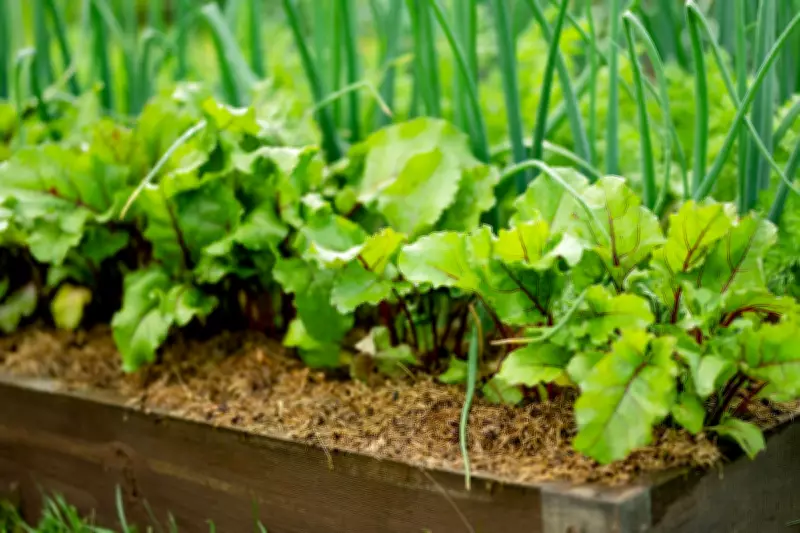
- Spring Onions and Beetroot: Overlapping these vegetables in April, May, or June enables simultaneous growth, with spring onions harvested by early July and beetroot later, maximising bed usage.
- Chard and Dwarf French Beans: Transplant beans while direct-sowing chard in early July; after beans are harvested, chard takes over, benefiting from nitrogen nodules left by the beans.
- French Marigolds with Tomatoes: French marigolds secrete limonene, which deters aphids, making them ideal companions for tomato plants.
- Florence Fennel Between Ridge Cucumbers: Despite fennel's reputation for incompatibility, it thrives near ridge cucumbers, with cucumbers covering ground in late summer and fennel harvested in autumn after cucumbers finish.
These strategies, detailed in Dowding's book Grow Together, published by DK and priced at £14.99, offer practical insights for gardeners seeking to improve their harvests through intelligent plant partnerships.