In a tragic escalation of a long-standing regional tension, climate change is now fuelling violent confrontations between farmers and nomadic herders in Senegal. The death of Moussa Diouf, a farmer in his sixties, in January 2025, starkly illustrates the human cost of this environmental pressure.
A Deadly Clash Over Dwindling Resources
Cheikh Diouf, aged 18, recounts the day his father was killed. After delivering manure to their family fields near their village, he received an urgent call. His father was arguing with herders. By the time Cheikh returned, his father was dead, struck by machete blows. The family blames herders whose animals had strayed into their cassava fields.
"It hurts so much," said Diouf. "If only I had been there, he wouldn’t have died. Either I or the herder would have died — but not my father." This incident is not isolated but part of a worsening pattern across West Africa, where historic competition for land is being dangerously amplified by a changing climate.

Climate Data Underpins a Growing Crisis
The scientific context is clear. Senegal has seen approximately 27% less annual rainfall on average over the past 30 years compared to the period from 1951 to 1980, according to the Copernicus Climate Change Service. Rising temperatures compound this drought, desiccating pastureland just as agricultural expansion consumes more space.
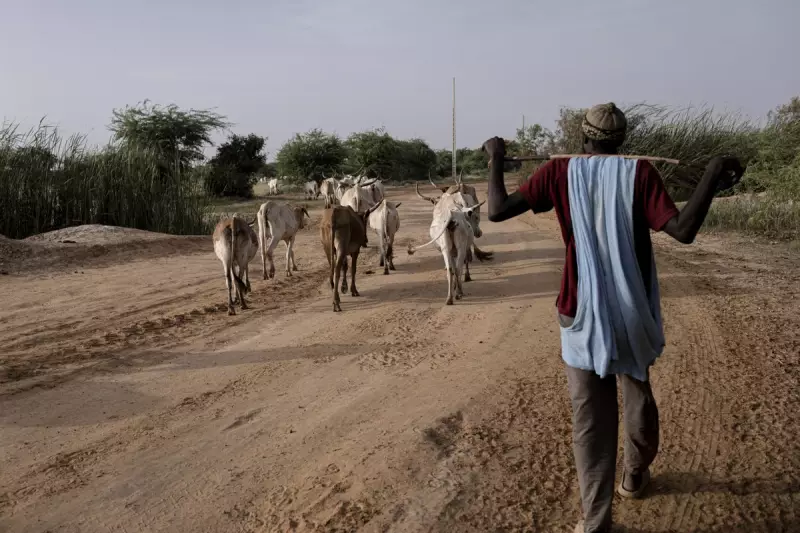
This creates a perfect storm for conflict. The Peul (or Fulani) herders, who supply a significant portion of the region's meat and milk, must move their animals along ancient transhumance routes. Traditionally, the dry season from October sees them move south. Now, that journey is longer and more desperate as they search for viable grazing, often overlapping destructively with harvest time.
Dr. Yawma Fall, deputy head of the Ndofane medical centre, has treated numerous victims. She described a 12-year-old shepherd struck in the shoulder with an axe and another herder who lost fingers to a blade. Farmers are also victims, like Mamadou Gueye, 39, who lost his left hand in a 2022 confrontation.
Voices from the Front Line
On the ground, perspectives highlight the intractable nature of the problem. Farmer Fode Diome, 45, argues that rules exist but are ignored. "They’re allowed to come only after the harvest... usually in January and not before. Sometimes the nomads stay here until the next rains, and we ask them to leave because we need to prepare the fields."
For herders like 61-year-old Alioune Sow from Linguere, survival is the priority. "There’s no grass left for the livestock. Everywhere you go, there are fields. It has become very difficult," he says, noting the dangers of animals wandering into fields and being poisoned. He suggests a potential solution: clearly designating separate lands for farming and herding.
Local Mediation in the Absence of National Policy
Senegal lacks a dedicated national body to manage agriculture-pastoral conflict. Resolution falls to local communities, sometimes aided by NGOs. In the village of Labgar, periodic meetings between the groups are organised to discuss fires, deforestation, and grazing disputes.
Papa Khokhane Seydou Faye, the village's agricultural adviser, notes that proposed solutions include better marking of grazing trails and field boundaries. However, without systemic intervention addressing the root cause—climate-induced resource scarcity—these local efforts remain a fragile bulwark against rising violence.
As rainfall becomes less predictable and pastures shrink, the tools of daily life, like the diassi machete, are increasingly turned into weapons. The tension, as farmer Mamadou Gueye summarises, is palpable: "The relationship between us and the herders is very tense; we mistrust each other. There’s no friendship."