Bird Feeding Warning: Avoid This Common Error That Attracts Rodents
A garden bird feeding specialist has issued a crucial warning to households: a widespread mistake in how you feed birds in your outdoor space could be unintentionally drawing rats into your garden. As temperatures increase, the last thing any homeowner desires is an infestation of rodents, yet your well-intentioned efforts to support local wildlife might be creating an open invitation for these pests.
The Importance of Bird Feeding
According to the British Trust for Ornithology, providing bird feed plays a vital role in bolstering avian survival. It offers dependable nutrition during harsh winters or demanding breeding seasons, especially as natural habitats continue to diminish. This practice helps sustain bird populations, enables weaker birds to endure, and delivers natural pest control benefits. Additionally, it provides educational and therapeutic advantages for people, making it a rewarding activity often encouraged on social media platforms.
The Rodent Risk
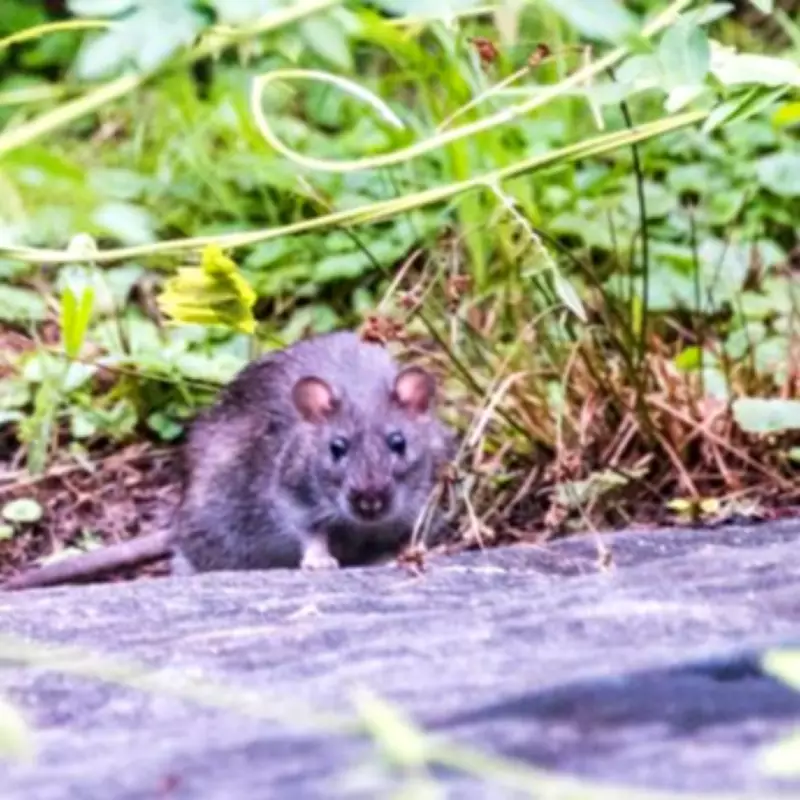
However, the seeds you generously leave out for birds can also lure unwelcome visitors like rats. The brown rat, also known as the common rat, street rat, sewer rat, wharf rat, Hanover rat, Norway rat, or Norwegian rat, is a widespread and prevalent species. These rodents can cause significant property damage, transmit dangerous diseases, and multiply at an alarming rate. Yet, with some straightforward swaps and clever feeding practices, you can support wildlife through colder periods without laying out a feast for rodents.

Expert Advice on Prevention
Garden bird feeding specialist Lucy Taylor of Vine House Farm Bird Foods emphasizes that simple steps can prevent rats from establishing a home in your garden. The absolute key measure is to remove their primary requirement: a source of food, which in this case is bird food. By implementing a few practical strategies, you can enjoy birdwatching without the unwanted company of rodents.
Never Use Cheap Bird Food Mixes
It might not be the first consideration that springs to mind, but cheap bird food seed mixes are actually a major culprit in attracting rats to gardens. From a bird's perspective, these mixes are also a waste of money. The issue lies in the inexpensive fillers like wheat and pulses, which most birds do not favour. As birds such as Blue tits and Greenfinches sift through the mix for the occasional tasty morsel, they discard the unwanted fillers, which fall to the ground.
The uneaten food then lingers on the soil beneath the feeder. While some species like Wood pigeon and Jackdaw might consume a portion of it, there is a high probability it will remain in place and become a midnight snack for passing rats, given that rodents are primarily nocturnal creatures. Instead, it is wiser to invest in high-quality seed mixes or straightforward options like sunflower hearts. Both choices significantly reduce the amount of food that ends up on the ground, thereby minimizing the risk of attracting rats.
Utilize a Metal Feeder Pole or Feeding Station
Although rats are capable climbers and could easily scale a feeder suspended from a fence post or tree branch, they will find it far more challenging to navigate a sleek metal feeder pole or one mounted on a metal feeding station. For added protection, you can fit a plastic baffle onto the steel pole beneath any feeders. These devices are typically marketed to keep Grey squirrels away from the food, but they are equally effective at deterring rats, providing an extra layer of security for your bird feeding setup.
Bring Ground Trays Indoors at Night
Species like Blackbirds and Robins naturally prefer ground trays or dishes for feeding, as they are ground-feeding birds and find hanging feeders awkward. However, leaving this style of feeder out after dark essentially rolls out the welcome mat for rats. The simple solution is to bring the tray indoors and store it in a secure location such as a garage overnight, then return it to your garden in the morning. This straightforward practice effectively solves the problem without disrupting the feeding habits of these birds.

Conclusion
In summary, this is the perfect time of year to increase both the quantity and variety of food you offer to wild birds in your garden. Rats are typically only drawn to gardens by bird food when proper precautions have not been taken. The most crucial precaution is to steer clear of cheap seed mixes and stick exclusively to high-quality bird food, which drastically cuts down on waste. By following these expert recommendations, you can enjoy the benefits of bird feeding while keeping your garden free from unwanted rodent visitors.