Avocados, packed with healthy fats and prized for their creamy texture, often spoil quickly due to improper storage. A common social media trend suggests storing them in water, but this can encourage harmful bacteria. Instead, cookbook author Taesha Butler recommends a simple kitchen item: cooking oil.
The Problem with Water Storage
Storing avocados in water is ineffective and dangerous. It leaves the fruit waterlogged and promotes bacterial growth, potentially making it unsafe to eat. Butler, founder of The Natural Nurturer, warns against this method.
The Oil Barrier Method
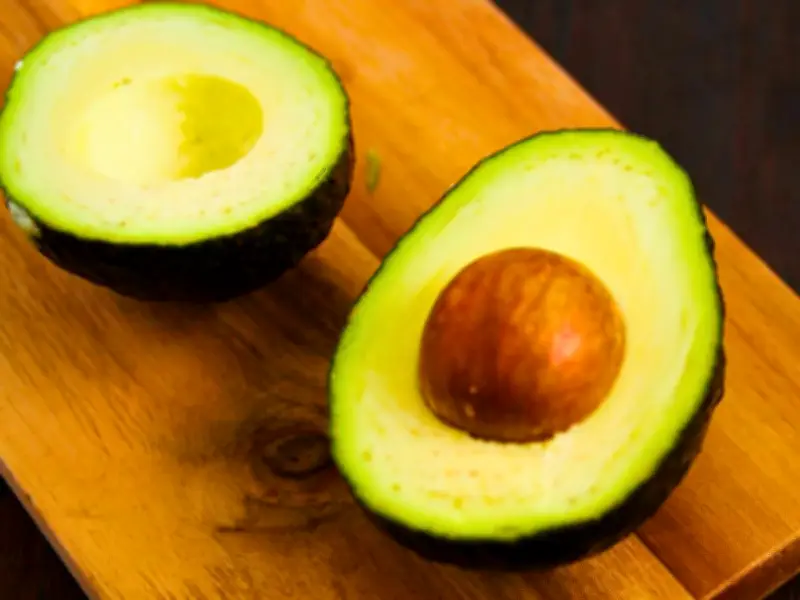
Butler advises: "Brush the exposed flesh with a little avocado or olive oil. This creates a barrier between the flesh and air, slowing down browning." A pastry brush works best for even application. The oil prevents oxidation, the chemical reaction that causes browning and moisture loss, which can spoil an avocado in a day.
Step-by-Step Storage Guide
To extend shelf life, brush sliced avocado with a thin layer of oil (olive, avocado, or mild-flavored). Wrap securely in clingfilm to reduce air exposure, then place flesh-side down in a container and refrigerate. This technique keeps avocados fresh for an additional two to five days.
Freezing for Longer Storage
For even longer storage, freeze the avocado. Since freezing softens the fruit, mashing it beforehand preserves consistency. Frozen avocado works well in spreads or smoothies, reducing food waste.