Australia's Native Food Industry Faces Indigenous Leadership Crisis
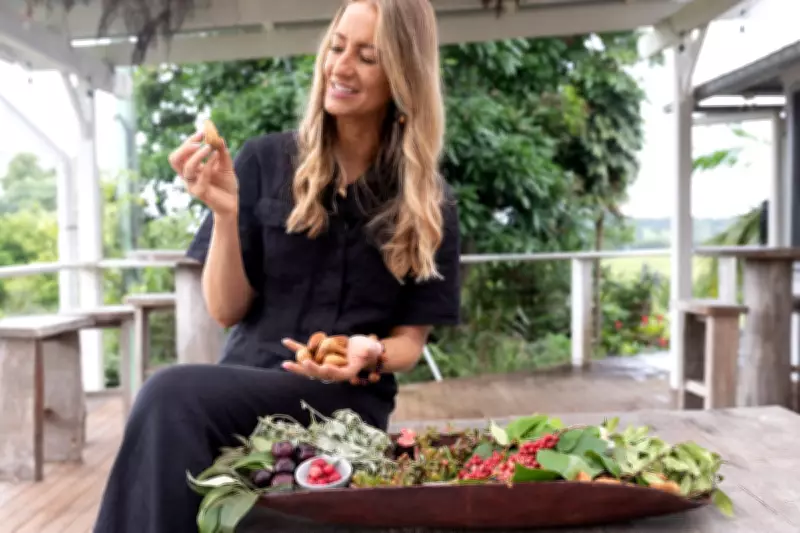
On Bundjalung Country in northern New South Wales, chef Mindy Woods breathes in the forest air, scanning the landscape for native plants like karkalla and finger limes. For this proud Bundjalung woman, these plants are not mere ingredients but kin holding ancestral knowledge and memory.
"When I cook with native ingredients, I'm not just creating a dish, I'm continuing a story," Woods declares. "I'm honouring a relationship that has existed for thousands of generations. They connect us to Country and to our old people."
The Boom and Its Challenges
Woods founded Karkalla On Country, which began as a restaurant and now offers cultural experiences on Bundjalung Country. She represents a growing number of First Nations chefs and business owners introducing native foods to an increasingly interested public. The industry, valued at $80 million, has seen particular growth as certain native ingredients gain "superfood" status within wellness trends.

However, a troubling reality persists: Indigenous-owned businesses account for only 1% of the industry's output and fewer than 1% of growers, farm managers, and exporters according to 2022 data. This disparity raises serious questions about who truly benefits from the commercialisation of Australia's native foods.
The Problem of 'Black Cladding'
Dr Luke Williams, a Gumbaynggirr man and co-author of a recent University of Queensland study, identifies the lack of Indigenous leadership as "a big problem plaguing the industry." He describes a phenomenon called "black cladding," where non-Indigenous companies use Indigenous art, languages, or traditional stories on labels to imply First Nations involvement that doesn't exist.
"It tricks the consumer," Williams explains. "They might use names for particular plants to look more Aboriginal."
Dr Alana Gall, a Truwulway and Litamirimina woman serving on the Aboriginal and Torres Strait Islander Expert Working Group on Indigenous Cultural and Intellectual Property, warns that such practices undermine reconciliation efforts.
"You've got people purposefully using our knowledge and imagery for personal gain," Gall states. "It goes against everything we are trying to change."
Cultural Significance Beyond Commerce
For Indigenous communities, native plants represent far more than commercial commodities. Yuandamarra, a Bundjalung, Gumbaynggirr and Jiman elder who co-founded Red Centre Enterprises, emphasises that these plants are family, teachers, and ancestors.
"You don't just take what you want. You ask. You listen. You give back," he says, describing traditional harvesting practices that prioritise the health of Country over short-term profit.
Aunty Dale Chapman, a Yuwaalaraay Kooma woman and founder of My Dilly Bag, stresses that without Indigenous leadership, "the industry risks stripping these foods of their context and commercialising them without consent."
"For us, it's not just about products, it's about people, story and respect," Chapman asserts.
Pathways Forward
Williams acknowledges there is space for non-Indigenous businesses in the industry, particularly since Aboriginal communities often lack capital to bring products to market independently. He suggests a tiered certification system to help consumers identify 100% First Nations-owned businesses, those that formally give back to communities, and those simply using native produce.
Woods proposes an appellation system similar to Europe's protected designation of origin model. Any certification framework would require an independent body and external funding to serve the entire industry rather than specific cohorts.
Some non-Indigenous businesses are attempting to bridge the gap through benefit-sharing models. Land Lab, which produces a bush food-inspired prenatal supplement, uses revenue to fund access for women in rural and remote communities.
Julie Merlet, founder of non-Indigenous wholesaler NATIF, acknowledges that "non-Indigenous people really made the industry what it is today," while criticising businesses that mislead customers about Indigenous ownership.

"Food sovereignty is a right of Indigenous people," Merlet states, supporting Indigenous land claims and food cultivation as part of an inclusive ethical industry.
A Turning Point
The industry appears to be reaching an inflection point. Creative Native Foods recently became 100% First Nations-owned after acquisition by Cooee Foods Australia. Its CEO, Wiradjuri woman Terri-Anne Daniel, emphasises that "participation alone is not enough if ownership and economic benefit sit elsewhere."
"Indigenous leadership brings a level of cultural authority that is increasingly important to consumers," Daniel concludes, highlighting the growing recognition that Australia's native food industry must centre the people whose knowledge and stewardship created it.