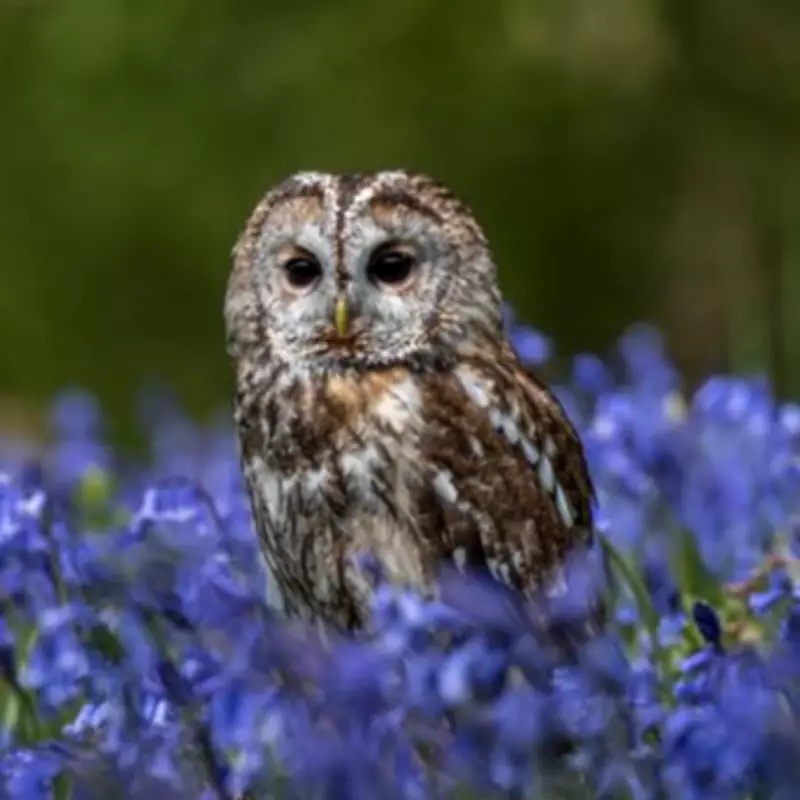
Owls can serve as highly effective natural pest controllers in gardens, consuming dozens of rodents each night without the need for harmful poisons or traps. A simple 30-second task could encourage these nocturnal predators to take up residence near your property, providing an eco-friendly solution to rodent problems.
The Critical Spring Breeding Season
April marks the breeding season for both tawny and barn owls across the United Kingdom. During this period, owls travel greater distances in search of rats and mice to feed their growing chicks. This increased activity makes spring particularly challenging for owl survival, especially as many households resort to chemical rodent control methods that inadvertently harm these beneficial predators.
The Poison Problem
Many gardeners use rat poison during spring to manage rodent populations, but this creates a dangerous cycle. Owls that feed on contaminated prey can pass these toxins to their young, causing local owl populations to decline dramatically. According to wildlife experts, this represents one of the primary threats to certain owl species in the UK.

The Barn Owl Trust reports that 95% of wild barn owls contain rat poison in their systems, creating significant conservation challenges for this species. Despite this threat, a single owl can consume dozens of rodents nightly, making them among the most efficient natural pest controllers available without resorting to chemicals.
The Simple Solution: Reducing Light Pollution
Wildlife specialists at Green Feathers have revealed that attracting owls to your garden requires nothing more than switching off outdoor lights during evening hours. This straightforward adjustment takes mere seconds but can dramatically improve your garden's appeal to these nocturnal hunters.
"To make your garden more owl-friendly, you need to reduce light pollution at night," the experts explained. "Keep lights turned off if possible or invest in motion-activated lighting instead. This will keep your home protected by illuminating shadowy corners if a potential intruder approaches, without disturbing the owls in the area."
How Artificial Lighting Disrupts Owls
Owls possess remarkable night vision and typically hunt rodents in near-complete darkness. Artificial lighting disrupts their sensitive visual systems and hampers their ability to locate prey effectively. To encourage owls into your garden, outdoor lighting should be kept to an absolute minimum.
This means solar lights, path lights, fence lights, and decorative fairy lights should all be switched off during nighttime hours. While some garden lighting can remain functional, motion-activated options prove far preferable as they provide a more natural setting for owls, making them more inclined to hunt rodents on your property.
Additional Garden Modifications to Attract Owls
Beyond lighting adjustments, several other garden modifications can make your outdoor space more appealing to owls seeking hunting grounds:
- Reduce Lawn Mowing Frequency: Consider mowing your lawn less frequently or leaving a section of grass to grow long. Owls naturally tend to hunt rodents in open grassy areas such as fields, and when they spot substantial patches of grass, they view these as readily available food sources.
- Install Proper Nest Boxes: Many people choose to install nest boxes specifically designed for owls. If you pursue this option, ensure you purchase a sturdy wooden box capable of withstanding the typically wet and windy British weather conditions.
- Eliminate Chemical Controls: The most critical consideration remains avoiding rat poison or pesticides in your garden, particularly during spring breeding season. Despite the temptation to use chemical controls, these substances represent one of the primary reasons certain owl species are declining so dramatically.
Trusting Nature's Pest Control System
"If you want to attract owls into your garden to deal with a rat problem, make sure your garden is free of rat poison and rat traps," the wildlife experts advised. "Trust the owls to handle the issue for you."

By implementing these simple changes—particularly the crucial step of reducing nighttime lighting—gardeners can create environments that support local owl populations while benefiting from their exceptional rodent control capabilities. This natural approach eliminates the need for harmful chemicals while contributing to wildlife conservation efforts across the UK.