Alan Titchmarsh's Essential Rose Pruning Method for Summer Success
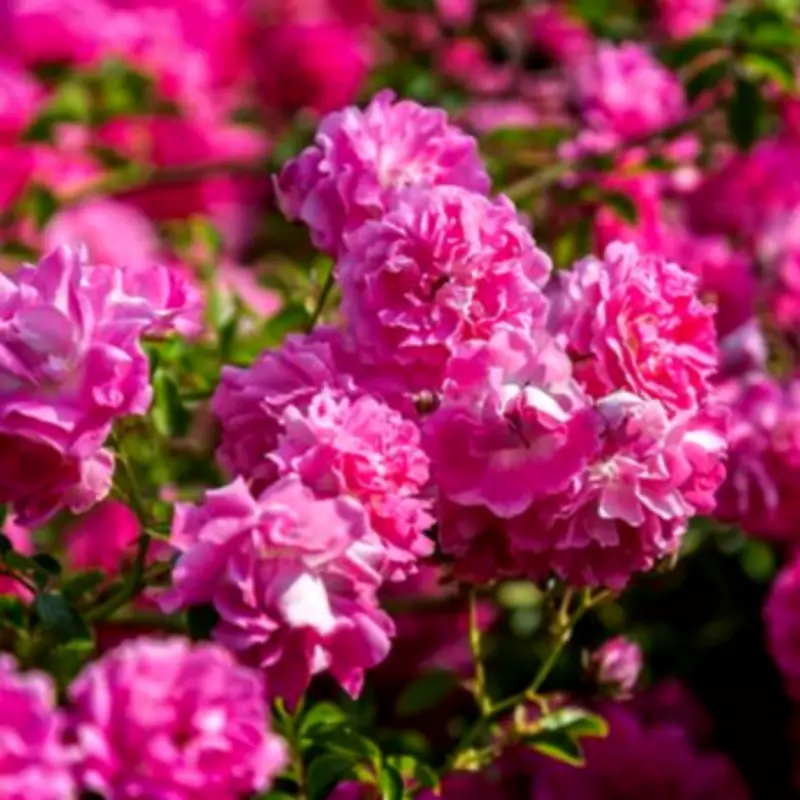
Renowned garden expert Alan Titchmarsh has shared a crucial gardening task that ensures roses produce maximum blooms throughout the summer and into autumn. With their vibrant colours ranging from white and cream to pink, red, crimson, purple, peach, and orange, roses are a beloved feature in many British gardens, often used for hedging or as border plants thanks to their open, spreading shape.
The Critical Difference Between Dead and Old Stems
In a detailed demonstration on his social media channel, Gardening with Alan Titchmarsh, the horticulturist emphasised the importance of proper pruning. "Dead has no living wood on it at all," Alan explained, contrasting it with older stems that may still have green, young shoots emerging from the top. This distinction is vital for effective pruning.
Alan showcased cutting back a rose shrub that had become overcrowded with stems. He advised removing both dead stems and older stems that are cluttered and producing few new shoots. However, he issued a specific warning regarding shrub roses, which require different treatment than bush varieties.

Special Rules for Shrub Roses
"These [shrub roses] tend to be taller, so you tip them back and thin the framework out," Alan instructed, cautioning against cutting them down to knee height as one would with bush roses. Instead, he focused on eliminating flimsy branches and reducing overcrowded areas to create a well-spaced branch structure.
This careful pruning promotes better air circulation through the plant. "Mildew and blackspot will be less likely because of the air circulation," Alan noted, highlighting the health benefits beyond mere aesthetics. After pruning, the remaining stems should be strong and robust.
Post-Pruning Care and Expert Tips
Once the pruning is complete, Alan recommends feeding the plant with blood, fish and bone fertiliser to ensure it is "set up for the summer." In his caption, he added valuable advice for gardeners: "Step back every few cuts and look at the overall shape your eye will tell you where it's still too crowded before your brain does." This mindful approach helps achieve the ideal form.
According to the Royal Horticultural Society, shrub roses thrive best in fertile soil with full sun exposure and adequate space to reach their full potential. However, certain varieties like Rosa rugosa and wild roses can tolerate poorer, drier soil and partial shade conditions.
By following Alan Titchmarsh's method now, gardeners can look forward to beautiful, healthy blooms that will flourish from summer through to the first frosts of autumn.