
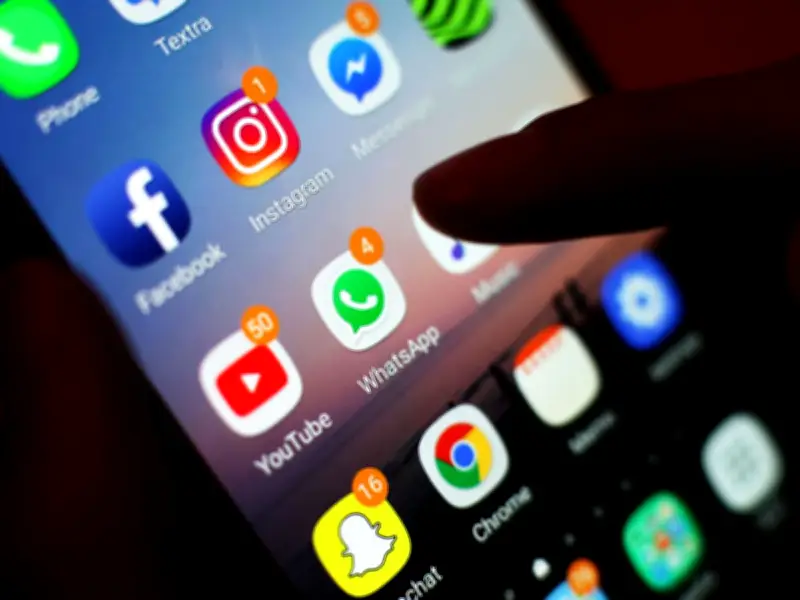
Children under 16 will be banned from using social media from early next year in a landmark move to enhance online safety. Prime Minister Keir Starmer unveiled plans to block access for under-16s to platforms including Snapchat, TikTok, YouTube, Instagram, Facebook, and X, building on a similar ban imposed in Australia in December 2025.
The restrictions are expected to pass through Parliament by Christmas and take effect by spring 2027. Speaking at a No10 press conference, Starmer stated, "I'm not prepared to compromise on the safety of our children. That is why this ban must happen, that is why it will happen." The Prime Minister, who has a teenage son and daughter, acknowledged the move is not cost-free but emphasized it is the right choice.
Why is social media being banned for under-16s?
The government is acting on concerns about harmful content children encounter online, including extreme pornography, violent imagery, content promoting eating disorders or self-harm, online bullying, and grooming risks. A consultation found 90% of parents supported a ban, and 62% of children backed age restrictions on some platforms. However, 72% of children worried about feeling left out.
Which platforms are impacted?
The UK follows Australia's model, banning platforms like Snapchat, TikTok, YouTube, Instagram, Facebook, X, Reddit, and Threads. Messaging apps like WhatsApp and Signal, online shopping, and music streaming services are excluded. Educational tools such as YouTube Kids, Google Classroom, and Lego Play remain allowed. Gaming platforms like Fortnite and Roblox may be accessible but with restrictions on interactions with strangers and livestreaming for under-16s. AI chatbots simulating sexual or romantic relationships will be restricted to over-18s, while other chatbots must limit intimate functionalities for under-18s.
How will it be enforced?
Platforms must legally implement robust age verification, moving beyond self-declaration. Methods may include facial scans, ID submission, or banking checks for over-18s. Ofcom will enforce the ban, targeting tech giants for non-compliance; parents and children will not face penalties. Accounts belonging to under-16s will be deactivated or paused until they reach the age threshold.
What about 16 and 17-year-olds?
To avoid a "cliff edge," high-risk features like livestreaming and stranger communication will be switched off by default for 16- and 17-year-olds, but they can opt in. The government is also considering restrictions on doom-scrolling and overnight curfews for older teenagers.
Support for adaptation
Schools will teach online safety, critical thinking, and the impact of social media and AI. The government has also launched initiatives to expand access to sports, creative activities, nature, and the arts to provide alternatives.
Unanswered questions
Key issues include the use of VPNs to bypass age checks, restrictions on infinite scrolling, and overnight curfews. A pilot is testing app shutdown between 9pm and 7am. Details on age verification methods remain incomplete, and concerns persist about tech-savvy teens evading restrictions. A study by Internet Matters found young people using fake birthdays, shared accounts, and altered photos to dodge limits. Polling by the Molly Rose Foundation showed three in five Australian 12-15-year-olds still accessed restricted platforms post-ban.
Criticism and concerns
Some campaigners argue the ban lets tech giants off the hook and may create a false sense of safety, potentially pushing children to darker corners of the internet. The Molly Rose Foundation advocates focusing on algorithms that push harmful content. Privacy advocates worry about adults being forced to share more data with tech companies. Tech giants like YouTube and Meta warn the ban could drive kids to less safe services, with Meta calling for device-level age verification to avoid handing ID to multiple services.




