
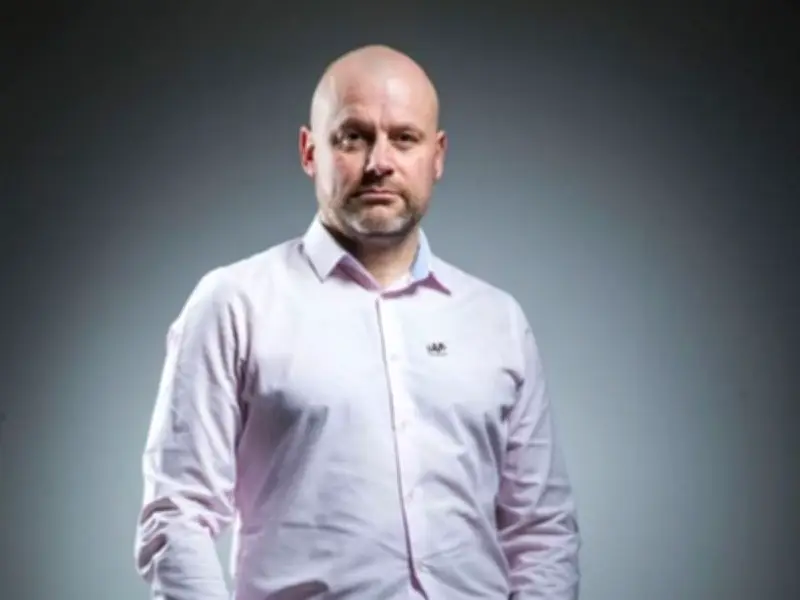
Ex-chief inspector Graham Goulden, a violence reduction expert who spent 30 years in policing, has made an emotional plea to young people to help save lives by intervening early in violent situations. His call follows the fatal stabbing of 15-year-old Amen Teklay in Glasgow's Maryhill area on March 5 last year.
Two boys, aged 16 and 17, were cleared of Amen's murder on Monday following a trial at the High Court in Glasgow. The Record revealed how youth worker Jamie O’Neill, 39, had warned authorities of “rapidly escalating violence” towards Amen before his death, claiming missed chances to save the teen.
Violence Rarely Comes Out of Nowhere
Goulden, former head of the Scottish Violence Reduction Unit, said: “The headline is heartbreaking: ‘Amen Could Have Been Saved.’ Whenever a young life is lost to violence, our instinct is to ask who carried the knife, or what the police could have done differently. Whilst important, if we want fewer grieving families, we also need to ask another question: What were the opportunities for friends to help friends before violence became inevitable?”
He added: “Violence rarely comes out of nowhere. It builds. Arguments simmer on social media. Pride gets involved. Rumours spread. People feel pressure to ‘turn up’ because backing down looks like weakness.”
Young People as Underused Resources
Goulden emphasised that friends are often the first to see warning signs. “The warning signs are often visible before the tragedy, and who sees those signs first? Not the police, not teachers or youth workers. Friends do. That is why young people themselves are one of the most underused resources in violence prevention.”
He noted that most young people are bystanders, not victims or perpetrators. “They sit in group chats. They hear the conversations. They know when someone is carrying a knife. They know when revenge is being planned.”
Teaching Intervention Skills
Goulden argued that young people need practical tools, not just exhortations. “Helping a friend doesn’t mean confronting them dramatically. Sometimes it is asking, ‘Are you sure this is worth it?’ Sometimes it is persuading them not to leave the house. Sometimes it changing the plan, distracting them, or calling another trusted adult.”
He pointed to successful campaigns around drink driving and suicide prevention that recognise peer influence. “Violence prevention should be no different.”
Practical Tools for Young People
Goulden offered specific strategies:
- Change the destination: If a friend is heading to a fight, give them a reason not to go. Instead of saying, “Don’t be stupid,” try: “Come with me instead. Let’s get out of here.”
- Slow the situation down: Encourage your friend to wait: “Let’s leave it until tomorrow.” Even a short delay allows emotions to cool.
- Bring in someone they trust: Contact someone your friend respects – a parent, coach, youth worker, or another trusted adult. Asking for help isn’t betraying a friend; it’s protecting them.
- Challenge the pressure—not the person: Ask questions like “Is this really worth getting hurt over?” to help them think for themselves.
- Don’t become the audience: Many fights happen because people expect others to watch, film or cheer. Don’t hype it up, share locations, film it or post online. Instead, encourage others to help calm things down.
Building a Culture of Courage
Goulden concluded: “The next generation already has enormous influence. We simply haven’t equipped them to use it. None of this diminishes the responsibility of those who choose violence. Accountability matters. The tragedy behind the headline reminds us that lives are shaped long before the fatal moment.”
He added: “Every argument that is calmed, every weapon left at home, and every friend persuaded to walk away is a victory that rarely appears on a front page. Perhaps the greatest lesson is this: we shouldn’t only ask could Amen have been saved. We should ask how we can help thousands of young people become the kind of friend who quietly saves someone else’s life.”




