Three decades after its humble beginnings in a Somerset field, the iconic British archaeology programme Time Team has staged a remarkable comeback, not on traditional television, but through a thriving digital community on YouTube.
From Modest Beginnings to Digital Resurrection
The story began 32 years ago with a small group of archaeologists filming a weekend dig in Athelney, Somerset, the historic site where King Alfred the Great rallied forces against the Vikings. The first episode, broadcast on 16 January 1994 on Channel 4, was a low-key affair, devoid of showbiz glitz, featuring experts examining a field and finding little more than a lump of iron slag.
This unpromising start, however, launched a TV juggernaut that ran for over 20 years and more than 200 episodes before declining audiences led to its cancellation in 2013. Yet, like a well-preserved artefact, Time Team was not destined to stay buried. In 2021, urged by devoted fans, the original team reunited to film a new dig, this time for their own YouTube channel.

A Crowdfunded Archaeological Powerhouse
The digital revival has been a staggering success. Today, Time Team boasts 350,000 YouTube subscribers, with films regularly attracting up to 2 million views. Crucially, 16,000 monthly supporters on Patreon provide a stable financial foundation, freeing the programme from traditional broadcaster constraints.
This crowdfunded model is enabling ambitious new projects. Next summer, Time Team will fund a month-long excavation at the Neolithic world heritage site, the Ness of Brodgar in Orkney. This follows a chance discovery by the programme's resident geophysicist, John Gater, who detected signs of "something quite extraordinary" at the location.
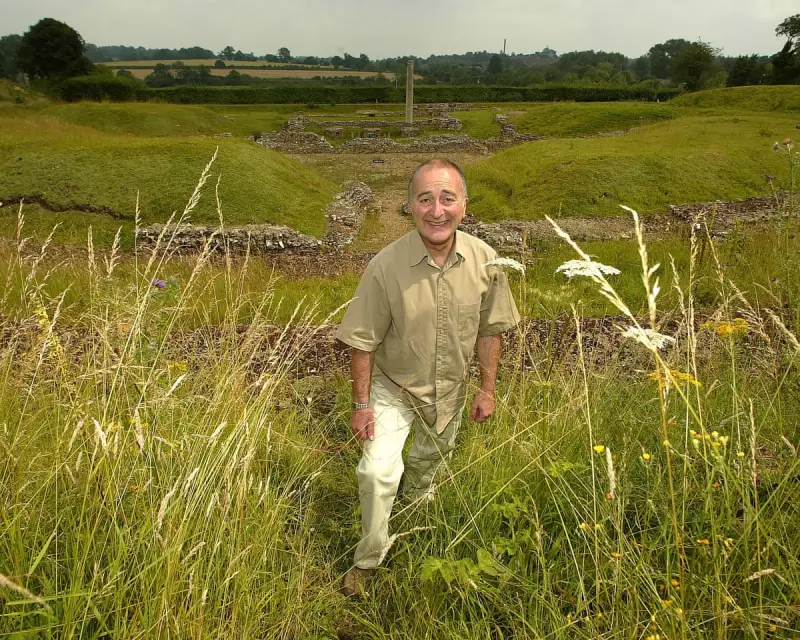
Original presenter Tony Robinson has returned for several films, describing the show's rebirth as "like one of those bulbs that you plant in the garden and forget about, and then five years later it flourishes again." Robinson, initially unsure about the YouTube format, was first offered the job in the 90s because, he jokes, Channel 4 thought "'This is such an arcane subject... Clearly we should get the person who epitomises stupidity on television.'"
New Platform, New Freedom
The shift to YouTube has granted the team unprecedented creative and logistical freedom. John Gater highlights the limitations of the old three-day TV format, which became expensive and left little room for post-excavation work. "The beauty of crowdfunding is our supporters recognise that it’s not just the TV programme, it’s the archaeology – and they’re supporting that," he says.
This freedom allows for deep dives impossible on linear TV, like a planned three-hour New Year's Day broadcast from Sutton Hoo. Senior producer-director Emily Boulting, who joined in 2003, notes new challenges, such as encouraging archaeologists to use "acceptable hyperbole" for online audiences. Yet, viewers also appreciate simplicity, such as fixed-camera "trench cam" footage, which Boulting compares to "watching a test match."
The programme's global reach has expanded dramatically; about 40% of its YouTube and Patreon audience is now from outside the UK. Professor Carenza Lewis, a veteran of the very first episode, experienced this reach firsthand when she was introduced at a Moscow archaeology conference to a murmur of recognition over a decade after leaving the show.
Looking ahead, the team aims to grow its supporter base, invest in community digs, and potentially launch a children's strand. While open to brand partnerships, they are relishing their independence. "It’s difficult to imagine the right [broadcaster] at this point," says Boulting, "because we are loving our freedom."
For Tony Robinson, the enduring appeal is simple: "I think archaeology is like magic... you can go down into [the ground] and find something extraordinary from another time. What better thing to be reminded of than the fact that there are wonders underneath our feet?"