Three decades after its unassuming debut, the beloved archaeology programme Time Team has staged a remarkable comeback, not on traditional television, but through a thriving digital community on YouTube.
From Humble Beginnings to TV Juggernaut
The story began thirty-two years ago with a modest gathering of archaeologists in Somerset. Their mission was to film a programme about a field in Athelney, the historic site where King Alfred the Great rallied forces against the Vikings over a millennium ago. The first shoot in 1994 was a far cry from showbiz glamour, featuring experts with unruly hair, discussions in the pub, and the slow reveal of results from a dot matrix printer. The most exciting find was a lump of iron slag, and not a single spade of soil was turned.
Yet, from these roots, a television institution was born. The first episode aired on Channel 4 on 16 January 1994, launching a celebrated 20-year run of more than 200 episodes. However, declining viewership and an unpopular revamp led to its cancellation in 2013, seemingly burying the show for good.
A Digital Resurrection Funded by Fans
As any archaeologist knows, the past has a way of resurfacing. In 2021, urged by devoted fans, the original team reunited to film a new dig, this time for their own dedicated YouTube channel. The digital move has proven a spectacular success. Time Team now boasts 350,000 YouTube subscribers, with individual films attracting up to 2 million views. Crucially, 16,000 monthly supporters on Patreon provide a stable financial foundation, allowing the team to pursue archaeology on their own terms.
This crowdfunded model has enabled ambitious projects impossible under the old TV format. Next summer, the team will fund a month-long excavation at the Neolithic world heritage site, the Ness of Brodgar in Orkney. This follows a chance discovery by the programme's resident geophysicist, John Gater, which hinted at "something quite extraordinary" beneath the surface. The team will also mark New Year's Day with a three-hour live broadcast from Sutton Hoo—an event inconceivable on linear television.
The Original Team Embraces a New Era
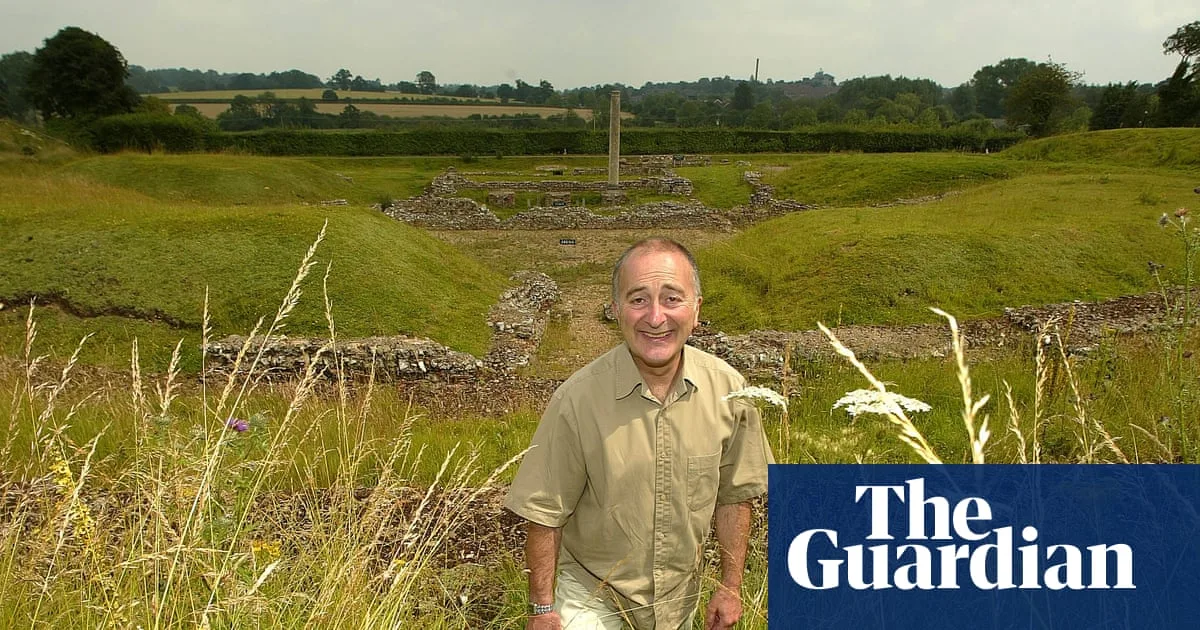
The programme's original presenter, Sir Tony Robinson, has returned for several new films after initial scepticism about the YouTube format. He likens the show's revival to "one of those bulbs that you plant in the garden and forget about, and then five years later it flourishes again." Robinson, famed for playing Baldrick in Blackadder, was initially offered the job because Channel 4 thought the "arcane subject" needed someone who "epitomises stupidity on television." In reality, he was a keen archaeology enthusiast and a friend of the show's legendary lead archaeologist, Professor Mick Aston.
Professor Carenza Lewis, a postdoc student on that very first dig, also rejoined the digital revival. She recalls Aston trying to relax the nervous team with bottles of wine, which made filming the first scene take "forever." Lewis, now a professor at the University of Lincoln, was let go in 2005 but never escaped the show's global reach. Over a decade later, giving a paper in Moscow, she was introduced with a reference to Time Team and received "a murmur of appreciative recognition" from a room full of Russian archaeologists. Today, about 40% of Time Team's YouTube and Patreon audience is based outside the UK.
Freedom, Flexibility, and the Future
For John Gater, the YouTube model offers invaluable flexibility. "The three-day format was brilliant, it created tension," he says, "but it became more and more expensive." He notes that crowdfunding supporters understand they are backing the archaeology itself, not just a TV show. Senior producer-director Emily Boulting, who joined in 2003, says the digital space brings new challenges, like encouraging archaeologists to use "acceptable hyperbole" to stand out online. Yet the audience also appreciates simplicity, such as fixed-camera, uninterrupted footage of a trench excavation, which she compares to "watching a test match."
The team is keen to expand its community digs and potentially launch a children's strand. While open to brand partnerships, they see little advantage in returning to a traditional broadcaster. "We are loving our freedom," Boulting states. For Tony Robinson, the enduring appeal is simple: "Archaeology is like magic. This is the ground that we walk on all day, every day. And yet if you weave the right spell, you can go down into it and find something extraordinary from another time." The wonders under our feet, it seems, have found a perfect new home in the digital age.