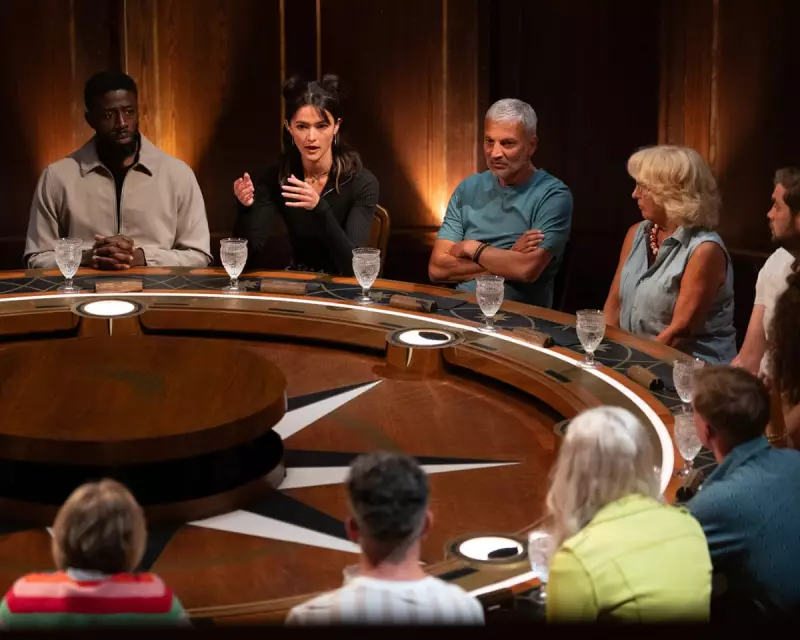
In an age where television sensations can dominate the cultural conversation overnight, a quiet revolution has taken place. The frantic, often futile scramble to avoid having a show's biggest moments ruined by online spoilers is becoming a relic of a bygone digital era. This shift is perfectly exemplified by the UK's current obsession, the BBC's The Traitors, where the pact of silence among fans has proven remarkably strong.
The New Etiquette of the Streaming Age
Gone are the days when logging onto social media after a major episode aired was an act of reckless bravery. A decade ago, the internet was a lawless frontier for spoilers. The rise of streaming and binge-dropping entire seasons created a chaotic environment where some viewers would consume and loudly dissect a whole series before others had even started. Platforms like X, formerly Twitter, were particularly hazardous. For UK-based fans of US shows like Game of Thrones, a Monday morning scroll was a minefield of untagged revelations, no matter how many keywords one attempted to mute.
Today, the landscape is fundamentally different. Audiences have grown accustomed to the fragmented nature of modern viewing. There is now a widespread, unspoken understanding that not everyone watches at the same pace. This cultural shift in behaviour means friends and fellow viewers are more cautious, often sending vague, detail-light messages when discussing ongoing series. The terrain, as one observer notes, feels "a lot less rocky."

Platform Shifts and Proactive Protections
The change isn't solely down to viewer politeness. The digital platforms themselves have evolved. X has lost its status as the central, chattering town square for many, becoming a less spoiler-heavy space for those who remain. Meanwhile, forums like Reddit, a natural hub for deep-dive TV discussion, introduced formal spoiler tagging systems nine years ago, creating safer zones for those trying to stay unspoiled.
The media industry has also tightened its approach. There's a broader consensus on what constitutes a spoiler—not just major character deaths, but smaller, telling narrative details. This heightened sensitivity was evident when screeners for the final season of Succession were distributed. Creator Jesse Armstrong explicitly requested that critics refrain from hinting, even cryptically, at which episodes were the "big ones."
The Traitors' Built-In Spoiler Shield
The BBC's hit reality competition The Traitors benefits from a unique structural advantage in the spoiler war. Its broadcast schedule—episodes airing over three consecutive nights, followed by a four-day break—creates a natural catch-up window. This rhythm allows those who missed the live broadcasts the weekend to get up to speed, while the wider fanbase collectively holds off on detailed public discussion until the new week begins. This built-in pause button significantly reduces the risk of accidental revelations.
Of course, we don't live in a spoiler-free utopia. A careless colleague or a rogue algorithm pushing a revealing headline can still shatter the illusion. However, the collective effort to preserve the viewing experience for others marks a significant and positive change from the digital free-for-all of the past. The evidence is clear: navigating the online world without having your next binge spoiled is no longer the impossible mission it once was.