The latest season of Taylor Sheridan's oil industry drama, Landman, has generated considerable buzz and largely favourable reviews. However, a consistent point of criticism has emerged, focusing squarely on the show's portrayal of its female characters.
The Critical Consensus on Landman's Women
While the Billy Bob Thornton-led series has been received more warmly than some of Sheridan's other post-Yellowstone projects, several prominent reviewers have identified a significant flaw. Rebecca Onion of Slate explicitly labelled it 'Landman's woman problem.' The critique is directed not at the actors, but at the writing, which is solely credited to Sheridan.
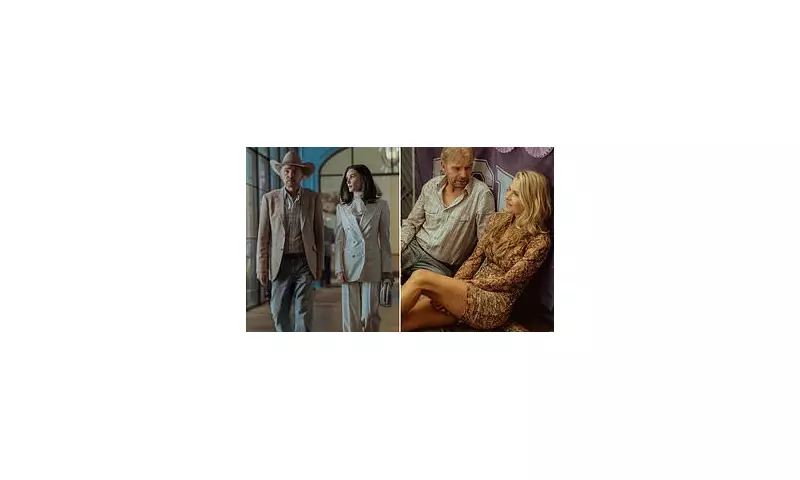
Onion noted that while Demi Moore's character, Cami—the widow of a colleague played by Jon Hamm—now has 'actual lines and scenes' in season two, other key women are given substandard material. She specifically singled out the roles played by Ali Larter, as Tommy's ex-wife Angela Norris, and Michelle Randolph, as his daughter Ainsley.

Specific Criticisms of Characterisation
The criticism centres on how these characters are written. Onion argued that Sheridan has a habit of forcing them to deliver his 'culture-war rants' disguised as dialogue, making scenes feel unnatural. She also accused the writing of portraying Ainsley as a nitwit, exemplified in a scene where she clumsily tries to impress a college admissions officer.
Furthermore, Larter's character Angela was described as 'cartoonishly moody and reactive' compared to Thornton's cool and collected Tommy. Despite his sometimes cruel comments towards her, the pair remarkably remarry in the second season.
Salon's Melanie McFarland offered a nuanced take, suggesting that in Sheridan's television universe, women are often divided 'between ball-busters... or expensive sexual accessories.' She observed that in Landman, they are further stereotyped by hair colour, with blondes portrayed as driving men to poverty and brunettes as the ones who 'get things done.' McFarland also joked that Ainsley 'would lose a grade-school spelling bee to a bag of hair extensions.'
Mixed Reviews Amid the Backlash
Other publications echoed these concerns while assessing the season's overall quality. Writing for RogerEbert.com, Clint Worthington called the female characters the show's 'greatest strength and weakness,' accusing storylines for Angela and Ainsley of showcasing Sheridan's 'psychosexual hangups.'
In a modestly positive review, the Houston Chronicle's Cary Darling suggested the characters might be intended as satirical send-ups of stereotypes about Texas women, but concluded they instead come across as 'one-dimensional cartoon characters, not people.'
Not all feedback was negative. Decider determined the second season was worth streaming, partly due to the greater presence of female characters. The New Yorker's Kyle Chayka, in a relatively positive review, dubbed Larter's character a 'Manic Pixie Dream MILF' with hit-or-miss one-liners. Meanwhile, Collider was mildly optimistic based on early episodes, though critic Jeff Ewing noted that Larter and Randolph's characters don't meaningfully evolve.
The overarching narrative is clear: Landman season two continues Taylor Sheridan's run of commercially successful, conversation-starting drama, but it also perpetuates a contentious pattern in his work regarding the depth and treatment of its women, leaving critics and fans debating the show's legacy beyond its core plot.