
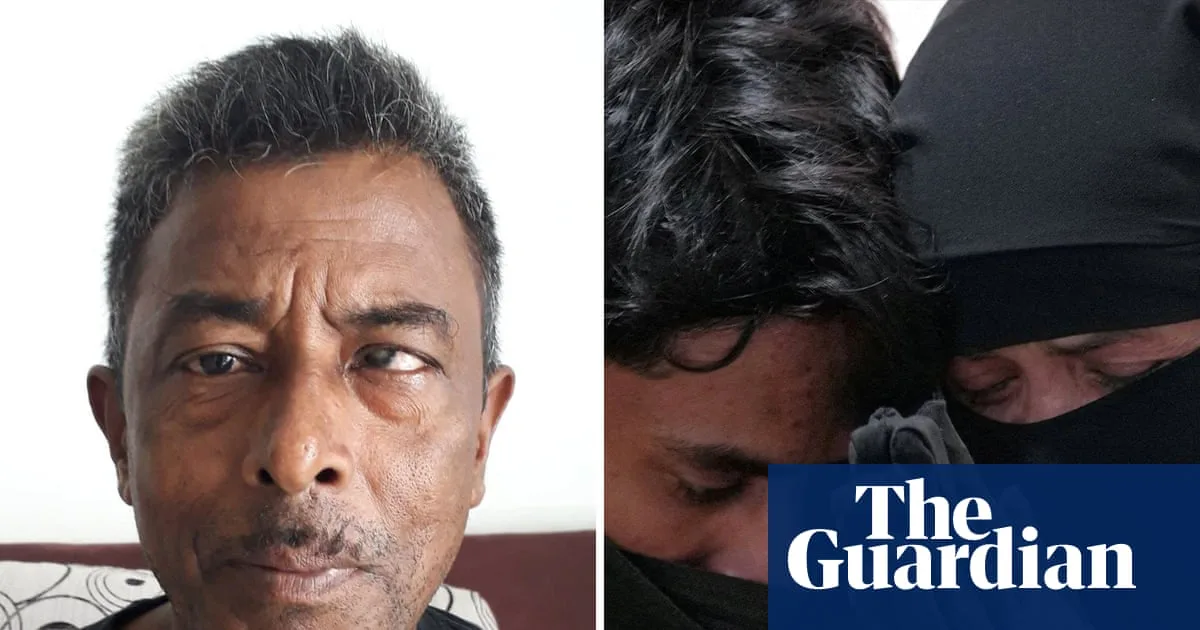
Nurul Shah Alam, a nearly blind Rohingya refugee, died on the streets of Buffalo, New York, after being left alone by US Border Patrol agents. The Erie County medical examiner's office has ruled his death a homicide, attributing it to hypothermia and a perforated duodenal ulcer.
Alam, 56, had been detained after mistakenly entering a resident's backyard. He was scheduled for release on 19 February, but instead of being taken home, he was dropped off in a car park without warm clothing or shoes, wearing only detention booties. His body was found five days later, on 24 February, four miles from where he was left.
His family, who had moved to Buffalo in December 2024 as part of a resettlement programme, had been preparing for his return. His wife, Fatima Abdul Roshid, had gathered ingredients for his favourite recipes and laid out new clothes for Ramadan. 'For the first time since we arrived in America, I felt happy,' she said through an interpreter.
The medical examiner's report stated that the death resulted from 'complications of a perforated duodenal ulcer precipitated by hypothermia and dehydration', adding that 'homicide' includes deaths from negligent acts or omissions. Terrence Connors, the family's attorney, said the ruling confirmed that Border Patrol placed Alam in a hostile environment from which he could not reasonably escape.
The Department of Homeland Security denied any responsibility, calling the findings 'another hoax' designed to demonise law enforcement. Advocates, however, condemned the lack of safeguards. 'There were established procedures for releasing someone safely that didn't require extra cost or effort,' said Michelle Brané, executive director of Together and Free, a former immigration detention ombudsman.
Alam's death has deeply shaken Buffalo's small Rohingya community of about 2,000, many of whom fled persecution in Myanmar. Imran Fazal, founder of the Rohingya Empowerment Community, said: 'After coming to the United States, people think it's over. You think, now I have an ID, I have paperwork. I can show people who I am and...'




