Take That Netflix Documentary Review: A Cheesy, Nostalgic Romp Through Boyband History
Take That Netflix Doc Review: Cheesy Boyband Nostalgia

Take That Netflix Documentary Review: A Cheesy, Nostalgic Romp Through Boyband History

Netflix's excellent three-part documentary about veteran boyband Take That serves up a weighty wheel of narrative camembert, covering the last 35 years of the group's extraordinary journey. This fantastically enjoyable romp explores everything from early-90s teen hysteria to the band's unprecedented second coming, all while asking the fundamental question: what's wrong with cheese?

Backstage Banter and Cauliflower Cheese Controversy

The series opens with an amusing backstage moment during Take That's 2024 stadium tour, where Howard Donald (57) provokes Gary Barlow OBE (55) by declaring his dislike for cauliflower cheese. "You don't like cauliflower cheese?" splutters Barlow between mouthfuls of pie, his award-winning vowels slowing to a thunderstruck crawl. "What's wrong with you?"

Donald's careful response – "It's too cheesy" – prompts Barlow's incredulous gasp: "Whaaaaaaat?! What's wrong with cheese?" This rhetorical question perfectly encapsulates the documentary's tone, celebrating the unapologetic cheesiness that has defined Take That's career from their Barry Manilow covers to their crop-topped Lulu collaborations.

Thirty-Five Years of Pop History Unpacked

Directed by David Soutar, who previously helmed the acclaimed Bros documentary "After the Screaming Stops," the series offers a straightforward and refreshingly unembittered retelling of the band's story. Through new off-screen interviews with the three remaining members – Barlow, Donald, and Mark Owen – viewers are treated to a comprehensive journey through Take That's evolution.

The documentary covers all the essential elements:

  • The early bewildered performances in gay clubs
  • The record-breaking string of No 1 hits
  • The behind-the-candelabra rivalries
  • The perpetual pendulum swings between pop magnificence (Pray) and po-faced naffery (Babe)
  • The soul-searching and bum cheeks
  • The bogglingly successful "circle of life" manband reunion

Archive Footage and Previously Unseen Moments

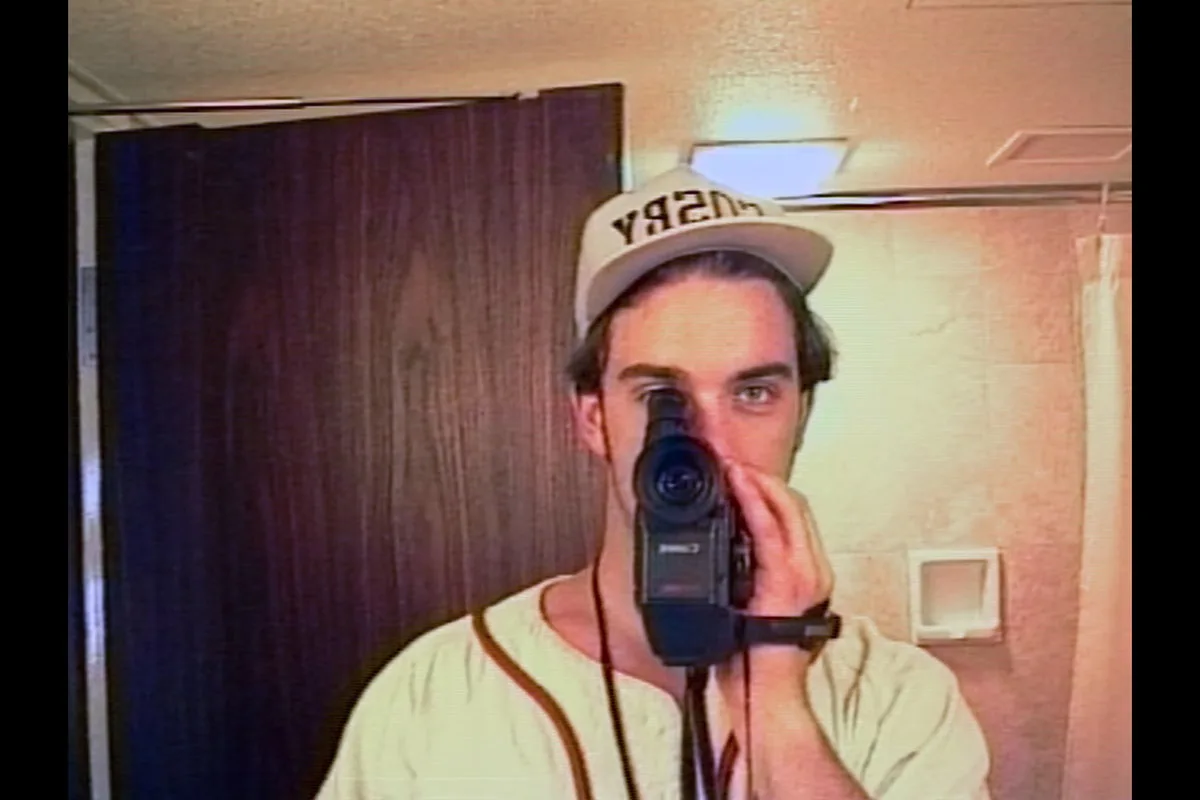
The series is replete with brilliantly edited archive footage, much of it previously unseen. Early excruciating gigs at school assemblies sit alongside candid youthful hijinks that reveal a startling reliance on shoulder pads. Particularly memorable is the young Barlow's peculiar penchant for twiddling his bandmates' earlobes, described in the documentary as resembling "a silverback relieving subordinates of fleas."

Robbie Williams, in an old interview featured in the documentary, observes: "I don't think as a person that Gary could see how he was, or how he behaved." This insight adds depth to footage showing the noted tax innovator pawing at Owen's dimpled cheeks.

Visual Evolution and Nostalgic Atmosphere

The first episode captures that faintly depressing low-grade greyishness characteristic of footage shot prior to the late-90s, as if Britain had been washed with Jason Orange's pleather chaps and emerged the colour of a Crimewatch UK reconstruction. Later episodes brighten considerably, but maintain a pleasantly woozy wistfulness throughout, with even recent concert footage heavy with the memory of Exclamation body spray.

Notable Absences and Emotional Depth

While the documentary offers fleeting admissions of anxiety from Howard Donald, creaking knees from Mark Owen, and discomfort at the ongoing demands of success, it contains few major revelations. Neither Robbie Williams nor Jason Orange, who left the band in 2014, have contributed to the series, meaning there's nothing to rival the emotional intensity of Williams' 2023 Netflix confessional.

Instead, viewers receive a more measured perspective, with Donald sighing off-camera: "Fame, for me, is still a real struggle," sounding as if he's phoning in from the passenger seat of his Ford Mondeo.

A Middle-Age Perspective on Shared History

Ultimately, the documentary offers a view of Take That that's only possible from the vantage point of middle-age. The series concludes that we've grown up with them, they've grown up with us, and despite our collective ups and downs, we're all now of an age where we can appreciate how difficult and occasionally magical the whole process has been.

This three-part celebration of Britain's most enduring boyband serves as both nostalgic entertainment and cultural document, reminding viewers that sometimes, embracing the cheese is exactly what's needed. Take That is available to stream on Netflix now.