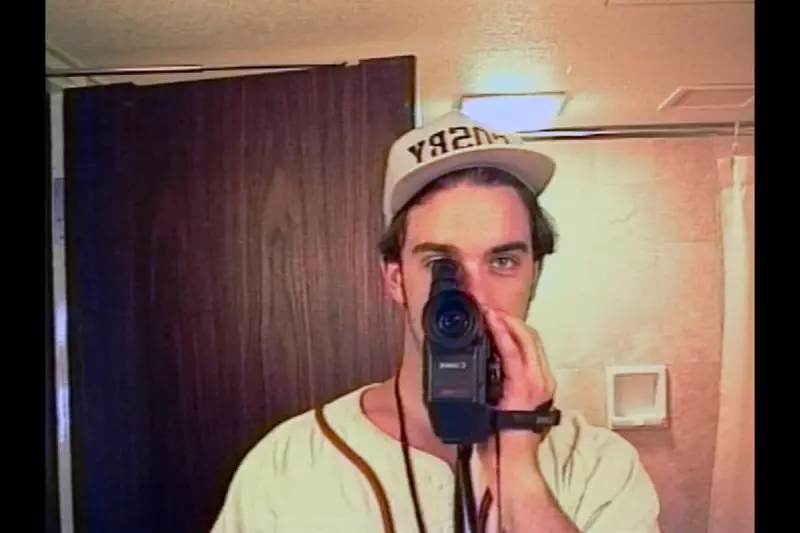
Take That Documentary Unveils Boyband's Hidden Struggles and Triumphs
A compelling new three-part Netflix documentary provides unprecedented access to the dramatic story of Take That, one of Britain's most iconic boybands. Directed by David Soutar, the series chronicles the group's meteoric rise, painful disintegration, and remarkable comeback through intimate interviews with current members Gary Barlow, Howard Donald, and Mark Owen, alongside archival footage featuring former bandmates Robbie Williams and Jason Orange.
Creative Control Surrendered for Authentic Storytelling
Soutar revealed to The Independent that he persuaded the band to trust his production team completely with their narrative, resulting in the musicians relinquishing creative oversight. The director described a "sadistic" satisfaction in witnessing how the final documentary compelled the band members to confront difficult, complex emotions from their past. "They said it was a tricky thing to relive those moments," Soutar noted, acknowledging their immense personal and professional journey.
Five Major Revelations from the Documentary
Gary Barlow's Crushing Pressure as Chief Songwriter
Throughout the documentary, particularly in the opening episode, Barlow candidly discusses the enormous burden he shouldered as Take That's primary songwriter. He recalls feeling like a failure when their early single "Once You've Tasted Love" missed the Top 40, despite the provocative video for debut track "Do What You Like" also underperforming. Barlow admits to paranoia about bandmates making disparaging remarks behind his back.

The turning point came when manager Nigel Martin-Smith insisted they record a cover version. Their dance-pop rendition of "It Only Takes a Minute" became their breakthrough, revitalising Barlow's confidence and inspiring him to write "Pray," their first chart-topping single that cemented their status as Britain's premier pop act.
Barlow's 13-Month Isolation After the Split
One of the documentary's most poignant moments arrives in episode two, detailing Barlow's profound struggles following Take That's dissolution in February 1996. While Robbie Williams soared as a solo artist with hits like "Angels," appearing on television and performing at Glastonbury, Barlow faced relentless media mockery.
Dropped by his record label after an unsuccessful American radio tour, Barlow developed an eating disorder and retreated to his Cheshire home for thirteen months. "I'd killed the pop star," he reflects on this period of isolation and weight gain, which became fodder for comedians David Walliams and Matt Lucas during awards ceremonies. "I saw it all, and watched it all," Barlow confesses.
Robbie Williams' Hidden Hurt Over Weight Jibes
While Williams doesn't provide new interviews for the documentary, the film reveals surprising vulnerability beneath his public persona as either a tough guy or party animal. Barlow recalls, with audible regret, that he nicknamed Williams "Blobby" instead of Robbie during their band days, a comment that deeply wounded his bandmate. Williams carried this hurt for years, eventually confronting Barlow about it during their reconciliation decades later.
The True Meaning Behind 'Shine'
Mark Owen, described by Williams as "the nicest man in the world," took lead vocals on Take That's 2007 comeback single "Shine." Many fans interpreted lyrics like "You're such a big star to me/You're everything I wanna be" as addressing Williams' departure. Owen clarifies this assumption, acknowledging that even Williams probably believes it references him.
"It's about me," Owen explains. "It's about all of us." The uplifting anthem served as the band's collective message of self-encouragement, urging themselves to overcome personal demons and recognise their potential.
Barlow and Williams' 25-Minute Reconciliation
The documentary details the emotional 2010 reunion that temporarily restored Take That's original five-piece lineup for the album Progress, one of the century's fastest-selling records. Williams, feeling "bored, scared and lonely" in Los Angeles, sought reconciliation with Barlow.

"In about 25 minutes, we'd put to bed things that had haunted us for years," Barlow reveals. This brief, cathartic conversation allowed them to move forward, transforming their dynamic from competitive songwriters to collaborative partners, recently working together on Williams' track "Morrissey."
The Take That documentary is now available for streaming on Netflix, offering fans an unprecedented look at the triumphs, tensions, and enduring legacy of Britain's beloved boyband.