Stranger Things Season 5: Who Is the Mysterious 'Meg' Vecna Keeps Mentioning?
Stranger Things: Unpacking Vecna's 'Meg' Mystery

The final chapter of Stranger Things has arrived, leaving fans with new mysteries amidst the escalating battle against the Upside Down. Following the release of season five, volume two, and ahead of the series finale on New Year’s Day on Netflix UK & Ireland, one enigmatic name has dominated fan theories: Meg.

The Mysterious Reference

In the tense episodes of volume two, the Hawkins group uncovers the terrifying truth that the Upside Down is a wormhole bridging dimensions. The villain Vecna, portrayed by Jamie Campbell Bower, reveals his plan to merge the two worlds using the powers of twelve kidnapped children, including Holly Wheeler (Nell Fisher) and Derek Turnbow (Jake Connelly).

During these chilling discussions, Vecna repeatedly invokes a figure named Meg. He tells the children, “Just as the black thing threatened Meg’s family, so does the darkness threaten yours. But I believe I have found a way to defeat this darkness.” He further suggests the children, like Meg, possess dormant special powers. With no character by that name in the show's history, viewers were left puzzled.

The Literary Connection Revealed

The answer lies not in Hawkins, but in a classic novel. Meg is a direct reference to Meg Murry from Madeleine L’Engle’s 1962 science fantasy novel, 'A Wrinkle in Time'. The book's influence on Stranger Things' final season is profound and deliberate.

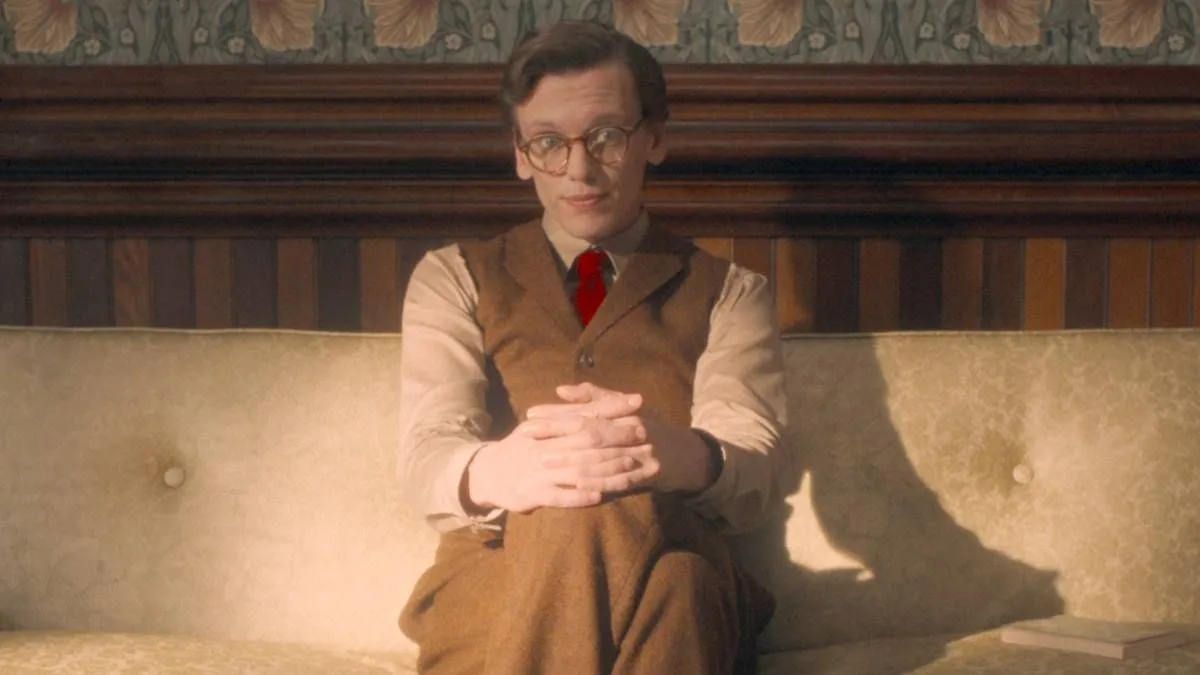
In volume one, Holly is seen reading the novel. Furthermore, Vecna, in his guise as Henry Creel, adopts the persona of Mr Whatsit to lure the children—a clear mirror of the benevolent Mrs Whatsit from L’Engle's story.

The plot parallels are striking. In the book, Meg, her brother Charles Wallace, and friend Calvin travel across dimensions with supernatural guides to rescue her missing scientist father. They are taken to a dark planet called Camazotz, which has been consumed by a malevolent force known as the Black Thing.

How 'A Wrinkle in Time' Shapes Stranger Things' Endgame

Vecna’s rhetoric directly borrows from this cosmic conflict. He warns the children of an “evil darkness... spreading across not just Hawkins, but the whole world,” positioning himself, deceptively, as their saviour. He claims to have found a world of “the light” and that their activated powers can stop the Black Thing.

This is a twisted inversion of the novel’s themes. In 'A Wrinkle in Time', the children are gifted powers to fight the darkness. In Stranger Things, Vecna seeks to harness similar dormant abilities within his captives for his own destructive merger of worlds.

With the series finale poised for release, the question remains whether Stranger Things will follow the hopeful conclusion of its literary inspiration, where love and individuality triumph, or forge a darker path for Hawkins. The theory mill is in overdrive as UK audiences await the 1am premiere on January 1st to see how this epic story concludes.