Ryan Murphy's 'The Beauty' Satirises Hollywood Surgery Trends But Faces Casting Irony
Ryan Murphy's latest FX/Hulu body horror series, The Beauty, presents a chilling satire on the beauty industry and society's relentless pursuit of aesthetic perfection. However, the show's casting choices create a glaring contradiction that undermines its critical message, writes Ellie Muir.
A Dystopian Vision of Beauty Enhancement
In an era dominated by Ozempic, Botox, and normalised surgical procedures, The Beauty explores the next frontier of cosmetic enhancement through an experimental injection promising complete aesthetic transformation. Based on the comic book of the same name, the series follows FBI agents investigating a mysterious sexually transmitted contagion with bizarre effects: victims either explode into visceral remains or regenerate into impossibly attractive versions of themselves.
The titular injection delivers archetypal Western beauty standards: chiseled jawlines, collagen-enhanced cheekbones, enlarged sparkling eyes, perky bottoms, and defined abdominal muscles. One compelling storyline follows Jeremy, portrayed by Jaquel Spivey and later Jeremy Pope, as an isolated, depressed incel seeking surgical transformation to resemble a "Chad." Instead, he receives The Beauty injection, enduring bone-cracking, skin-steaming metamorphosis that births an unrecognisable new man.

Satirical Strengths Undermined by Casting Choices
The Beauty offers plenty to admire in its critique of beauty industry excesses. Isabella Rosselini shines as the eccentrically dressed wife of Ashton Kutcher's tech mogul character, while Anthony Ramos delivers a memorable performance as a one-eyed villain. A particularly brilliant episode explores a clandestine network of billionaires securing exclusive early access to the transformative drug.
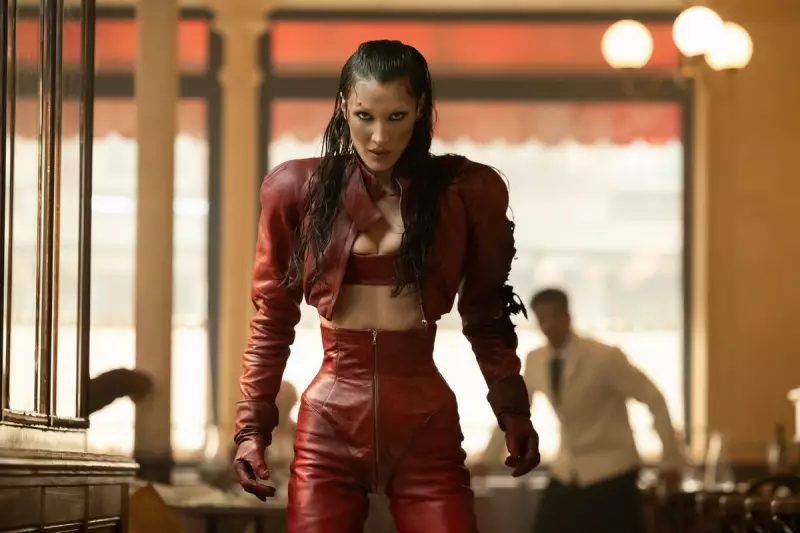
Yet the series' satirical impact is compromised by ironic casting decisions. Representing the beautifying drug's results are real-life supermodel Bella Hadid and heiress Nicola Peltz Beckham. Hadid opens the series strutting down a Paris catwalk before succumbing to the drug's side effects and disintegrating. Peltz appears later as a "yassified" - significantly younger and conventionally more attractive - version of another character post-injection, seemingly plucked from her Instagram feed.
The Problem with Perfect Faces Critiquing Perfection
Intentionally casting Hollywood's most celebrated beauties in a show satirising the very standards they embody creates confusing messaging. The Beauty warns audiences about beauty industry exploitation and the powerful figures who manipulate ordinary people, particularly young women, into pursuing unattainable Instagram-face ideals.
While both Hadid and Peltz deliver strong performances, their presence represents participation in the culture establishing those exact beauty standards through Instagram posts reaching millions, makeup tutorials, and celebrated skincare routines. Hollywood typically originates beauty trends that the wider population subsequently chases.
If The Beauty suggests trending aesthetic dogmas represent poisonous, unattainable ideals making people feel inadequate, how does featuring celebrities embodying those ideals serve the show's critical purpose?
Eerie Parallels to Contemporary Reality
Certain moments in The Beauty feel disturbingly authentic. Later episodes depict high school students desperately seeking the drug, having already internalised messages of inadequacy. This mirrors real-world trends where teenagers as young as sixteen pursue lip fillers and other enhancements.
The series arrives amidst growing concerns about injectable treatments reaching mass markets and restaurants introducing smaller portions catering to reduced appetites from weight-loss drugs like Mounjaro and Wegovy. Given these developments, the concept of people spending life savings on transformative injections appears increasingly plausible rather than purely fictional.
The Beauty should function as a societal warning, but when Peltz's character delivers passionate monologues about resisting beauty standards, viewers might question whether the show's messaging becomes compromised by its own participation in the culture it critiques.