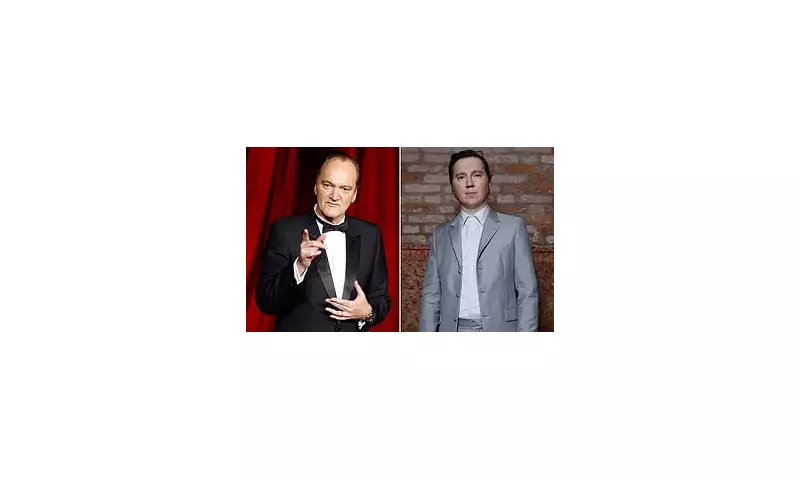
Quentin Tarantino, the Oscar-winning auteur behind cinematic classics like Pulp Fiction and Inglourious Basterds, finds himself at the centre of yet another Hollywood storm. This time, his target is acclaimed actor Paul Dano, whose performance in There Will Be Blood Tarantino has labelled "weak." This remark is merely the latest in a decades-long series of contentious statements and personal feuds that have cemented the director's reputation as a brilliant but notoriously difficult figure.
A Litany of Personal Feuds and Bitter Vows
Tarantino's propensity for conflict extends far beyond professional criticism. Perhaps his most startling personal stance is his enduring financial estrangement from his own mother, Connie. The director, whose net worth is estimated at $120 million (£86.49 million), made a childhood pact to never share his wealth with her after she mocked his early writing ambitions.
Recalling the incident on The Moment podcast, Tarantino said his mother used sarcastic "finger quotes" to dismiss his "little 'writing career'." He vowed then, "OK, lady, when I become a successful writer, you will never see one penny from my success." Despite his immense fortune, he claims to have upheld that vow for over four decades, only assisting her once with an IRS issue. "There are consequences for your words as you deal with your children," he stated. His mother has since responded, expressing pride and love for her son while suggesting the podcast clip lacked full context.

Defending the Indefensible: The Roman Polanski Comments
Tarantino's most severely criticised views concern filmmaker Roman Polanski, who pleaded guilty to unlawful sex with a minor in 1977. In a 2003 interview with Howard Stern, Tarantino launched into an eight-minute rant defending Polanski, arguing the crime was not "rape" but "statutory rape."
"He didn't rape a 13-year-old. It was statutory rape, that's not quite the same thing," Tarantino claimed, adding, "She wanted to have it." He further suggested European morals differed from America's. These comments resurfaced in 2018 during the peak of the #MeToo movement, prompting widespread condemnation. Actress Busy Phillips tweeted, "F**K THIS GUY," while Olivia Munn demanded consequences, noting Tarantino had also admitted to knowing about Harvey Weinstein's behaviour.
Clashes with Stars, Talk Show Hosts, and Rappers
Tarantino's combative nature has led to numerous public disputes. Talk show host David Letterman alleged in 2020 that Tarantino once phoned him with a death threat after a joke about an ex-girlfriend, screaming, "I'm gonna beat you to death... I'm coming to New York, and I'm gonna beat the crap out of you." The altercation allegedly ended with Tarantino demanding a bat for the fight.
Rapper Kanye West has also feuded with the director, claiming Tarantino stole the idea for Django Unchained from a concept for the Gold Digger music video. Tarantino firmly denied this, stating he had the idea long before their meeting. Furthermore, Bruce Lee's daughter, Shannon Lee, penned a furious open letter criticising Tarantino's "inaccurate and unnecessary" caricature of her father in Once Upon a Time in Hollywood, writing she was "really f**king tired of white men in Hollywood trying to tell me who Bruce Lee was." Tarantino's blunt retort was, "anybody else, go suck a d**k."
The Latest Target: Paul Dano's 'Weak Sauce' Performance
The spark for the current news cycle is Tarantino's critique of Paul Dano. On The Bret Easton Ellis Podcast, while listing his favourite films, Tarantino said he wanted to rank There Will Be Blood higher but couldn't due to Dano's "weak" portrayal of twins Paul and Eli Sunday.
"He is the weak sister," Tarantino declared, suggesting Austin Butler would have been better in the role. He dismissed Dano's performance as a "non-entity," a surprising assessment given Dano's performance earned him a BAFTA nomination in 2008. The criticism has prompted many in the industry and film community to rush to Dano's defence, praising the subtlety and intensity he brought to the role opposite Daniel Day-Lewis.

This pattern of provocative statements ensures that while Quentin Tarantino's cinematic genius is undisputed—marked by a plethora of Academy Awards, BAFTAs, and Golden Globes—his legacy remains inextricably linked to controversy. His willingness to voice harsh, often deeply personal critiques continues to send ripples through Hollywood, challenging the boundaries between artistic candour and personal rancour.