Point Break: A Cinematic Tribute to Friendship and Unspoken Bonds
For over two decades, a unique friendship was defined by a steady stream of text messages—no introductions, no signoffs, just quotes from the 1991 action film Point Break. "You're a real blue-flame special, aren't you, son?" or "The air got dirty and the sex got clean" were typical exchanges between best friends, with Gary's sudden passing leaving a void filled only by revisiting Kathryn Bigelow's cult classic.
The Film That Shaped a Generation
Released when both friends were eighteen, Point Break became a spin-cycle staple at Gary's house. The film follows FBI rookie Johnny Utah, played by Keanu Reeves, as he goes undercover to infiltrate a group of surfers-turned-bank-robbers known as the Ex-Presidents. With Gary Busey as the sardonic veteran Pappas, the investigation leads to Latigo Beach, Malibu, where Utah immerses himself in the tight-knit surfing subculture through surfer gal Tyler, portrayed by Lori Petty.
In teenage years, the appeal lay in Bigelow's masterful action sequences—dynamic bank heists, explosive raids, and what many consider the greatest foot chase in cinema history, filmed with a innovative "pogo-cam." The film's two skydiving sequences added to its adrenaline-fueled allure, but it was only later that the deeper layers of Bigelow's direction became apparent.

Unpacking the Homoerotic Undertones
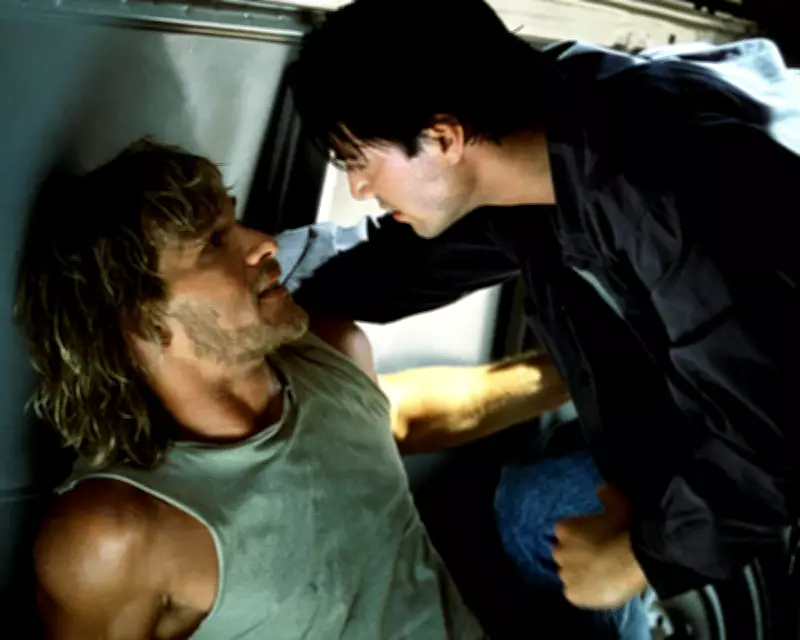
At its core, Point Break features a bromance between Johnny Utah and lead surfer Bodhi, played by Patrick Swayze, that rivals even Top Gun in its intensity. Their relationship is charged with homoerotic tension, from Bodhi's line, "I know you want me so bad, it's like acid in your mouth," to their prolonged eye contact during a heist escape. Scenes of them grappling on the beach or tumbling through the sky at 10,000 feet underscore a shared adrenalin kink that binds them together.
Remarkably, this aspect was largely overlooked in contemporary reviews, with Variety dismissing their dynamic as "not very interesting." Yet, for modern viewers, it's a testament to Bigelow's subtle subversion of macho Hollywood tropes, even as she delivers action set-pieces that outshine many male-directed counterparts.
A Philosophy of Freedom and Escape
As life brought more responsibilities, the film's themes resonated deeper. Johnny Utah's transition from office suit to wetsuit symbolized a rejection of conformity, echoed in Bodhi's mystic philosophy: "We stand for something. To those dead souls inching along the freeways in their metal coffins, we show them that the human spirit is still alive." This message of freedom and vitality became a source of comfort, with the film's sun-soaked beaches and endless blue skies offering an escape from daily grind.
The 2016 CGI-heavy remake failed to capture this magic, leaving the original as a timeless masterpiece. For the writer, it's a film that grows with each viewing, revealing new depths and personal connections.
A Legacy of Loss and Remembrance
Gary's death from a heart attack at age 50 transformed Point Break from a feelgood movie into a poignant tribute. The text messages, once a playful exchange, now serve as a digital memorial. The final message, sent a week before his passing, read, "Are we gonna jump or jerk off?"—a quote that now hangs in the air, unanswered.
Watching the film today is an act of closeness, a way to bridge the gap left by loss. If a reply were ever sent, it would be Bodhi's parting words: "Adios, amigo." Point Break remains available on streaming platforms like Hulu, BBC iPlayer, and Amazon Prime, but for some, it's more than just a movie—it's a lifeline to a friendship that endures beyond the screen.