Pixar Chief Creative Officer Pete Docter Addresses LGBTQ+ Plot Cuts in Elio
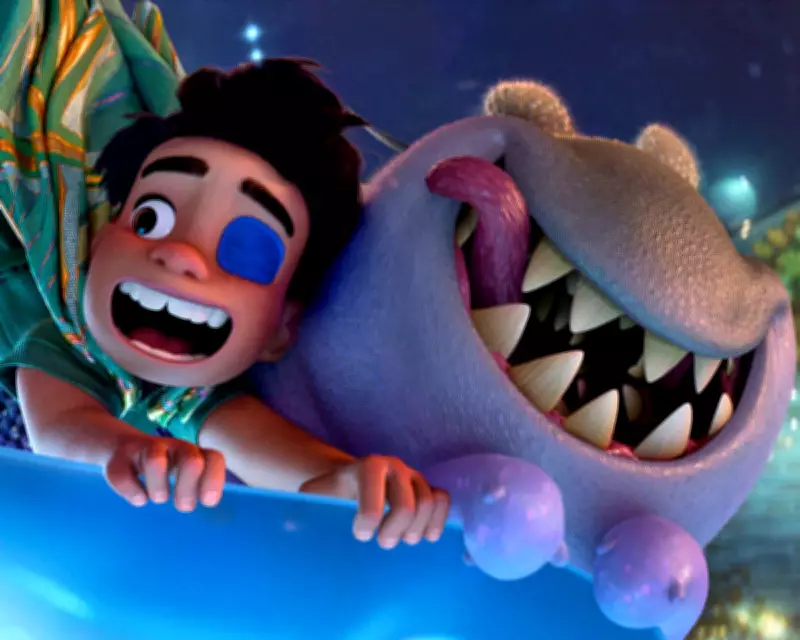
Pixar chief creative officer Pete Docter has stated that LGBTQ+ plot elements were removed from the 2025 film Elio because the company is "not making therapy". This comment came in an interview with the Wall Street Journal, following the successful release of Pixar's latest film, Hoppers, which topped the North American box office.
Internal Dissent and Historical Context
In 2022, a letter from "the LGBTQIA+ employees of Pixar & their allies" alleged that studio executives had "barred" moments of gay affection from films before release. The letter claimed that diverse stories were often reduced to "crumbs" after Disney corporate reviews, with nearly every overtly gay affection scene cut. This dissent emerged after Disney's lukewarm response to Florida's "don't say gay" legislation, which banned teaching about sexual orientation and gender identity until fourth grade.
Details of Elio's Deleted Scenes and Production Changes
According to the Wall Street Journal, deleted scenes from Elio, inspired by co-director Adrian Molina's childhood, implied the lead character was gay. These included a pink bicycle and a scene where Elio imagined raising a child with his male crush. After test screenings indicated insufficient audience excitement, the scenes were removed. Molina left the project and was replaced by Madeline Sharafian and Domee Shi, who oversaw the revisions. Ultimately, Elio became a box office flop in 2025, recording Pixar's worst-ever performance and losing over $100 million.

Broader Implications and Other Projects
Another Pixar film, Win or Lose, released on Disney+ in 2025, faced similar claims that a trans character and plotline were removed during development. Disney stated that for animated content aimed at younger audiences, many parents prefer to discuss certain subjects on their own terms. Docter, appointed chief creative officer in 2018 after John Lasseter stepped down amid misconduct claims, emphasized Pixar's shift toward more commercially appealing films. He cited failures of "autobiographical" titles like Luca and Elemental, noting his role is to ensure films appeal to a wider audience, given the high costs of production and last-minute overhauls.