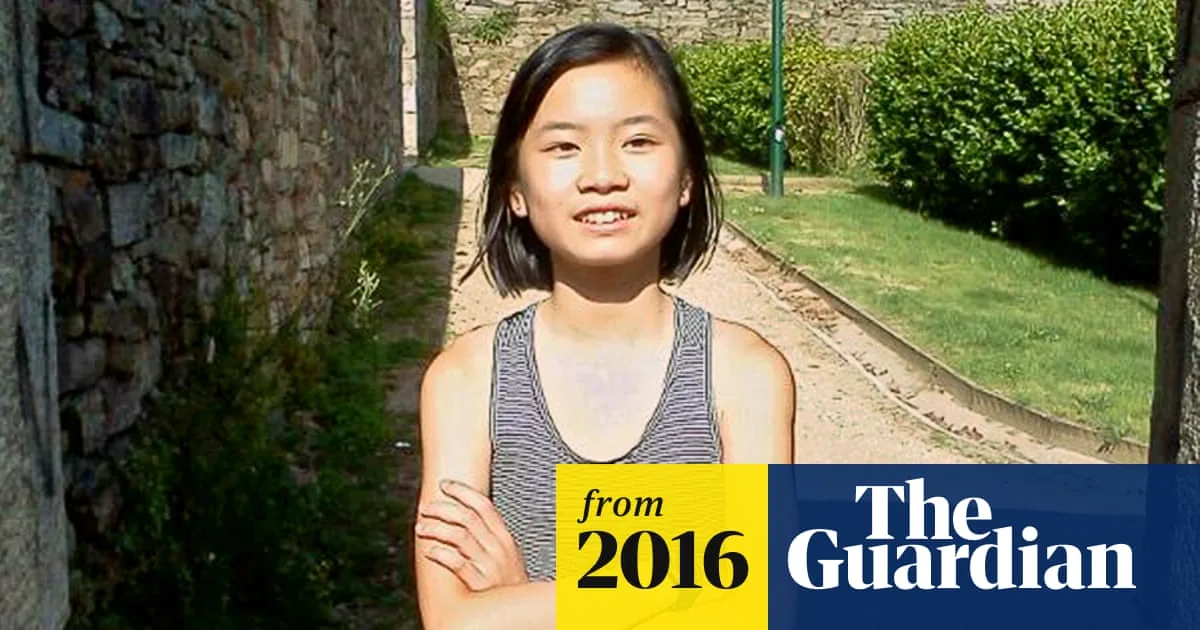
In June 2001, Rosario Porto and Alfonso Basterra, a wealthy Spanish couple from Santiago de Compostela, travelled to China to adopt a baby girl. They named her Asunta Fong Yang Basterra Porto. Twelve years later, in September 2013, Asunta's body was found beside a country road. Within days, her parents were arrested for her murder.
Porto, a lawyer and honorary consul, and Basterra, a freelance journalist, were considered ideal parents by local authorities. They lived in a luxurious flat in Santiago's 'VIP zone', surrounded by art and curiosities. Psychologists described Porto as 'friendly, relaxed, emotionally expressive' and Basterra as 'patient, easy-going'. The couple had no trouble persuading authorities of their suitability, and their adoption was praised in their social circle.
Asunta was underweight and undersized when adopted, but she grew and was considered exceptionally bright. However, as she reached secondary school, concerns arose. The couple used their privileged connections to bypass public health services, obtaining medicines from friendly pharmacists and consulting private doctors. This sense of entitlement and control may have played a role in the tragedy that unfolded.

The case shocked Spain and became the subject of a Netflix drama, 'The Asunta Case'. The trial revealed a complex web of deceit, with the couple accused of drugging and suffocating their daughter. Both were convicted and sentenced to 18 years in prison. The motive remains unclear, but the case highlights the dark side of privilege and the failure of systems meant to protect vulnerable children.