MasterChef's New Era: Female Judges Bring Precision Over Performance
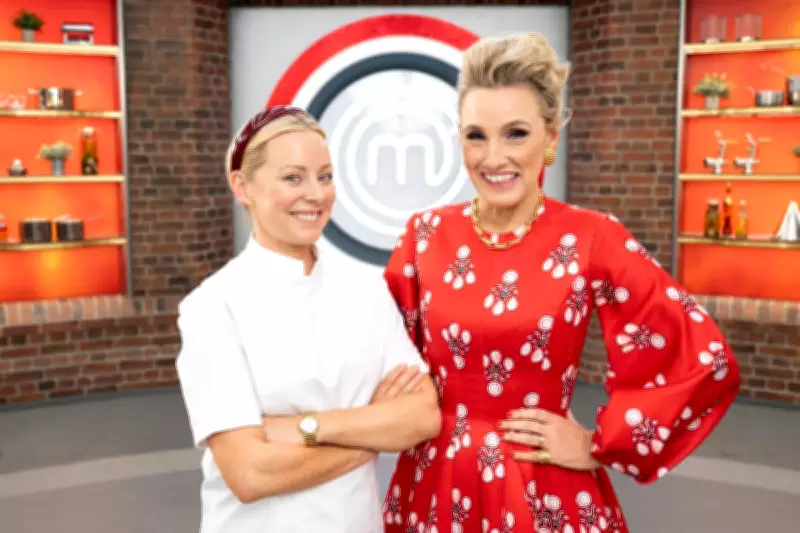
After a period of turbulence, the iconic cooking competition MasterChef has returned to British screens with a refreshed lineup that is already proving transformative. With critics Grace Dent and chef Anna Haugh now at the helm, the show demonstrates it can excel without relying on the bluster, bravado, or problematic dynamics of its previous era.
A Seamless Transition to a Superior Format
The debut episode this week was anticipated as a salvage operation following the messy exit of longtime judge Gregg Wallace and the conclusion of the Wallace-John Torode partnership. Expectations were cautious, with producers likely hoping to maintain the familiar format without alienating loyal viewers. Instead, the show has not merely survived but has been significantly upgraded, largely due to impeccable casting choices.
Structurally, MasterChef retains its dual authority model: one figure with culinary expertise and another with a personality-driven critique. However, Dent and Haugh execute this balance with a professionalism that avoids the cringeworthy innuendo, excessive noise, and behind-the-scenes controversies that marred the previous iteration.

Expertise and Eloquence in the Kitchen
Anna Haugh embodies the Torode role as the serious chef, bringing decades of experience from professional kitchens, including stints under Gordon Ramsay. Since 2019, she has run her acclaimed restaurant Myrtle in Chelsea and has extensive television experience as a regular on Saturday Kitchen and a former judge on MasterChef: The Professionals. This dual fluency in both high-pressure cooking and broadcast rhythms ensures her critiques are authoritative and credible.
Grace Dent reimagines the Wallace position as the critic and broadcaster, but with a key distinction: her commentary is precise and focused on the food rather than descending into suggestive asides or empty noise. In the premiere, when a contestant's hollandaise sauce failed, Dent remarked succinctly, "That hollandaise sauce is vicious," delivering a line that was humorous, cutting, and entirely relevant.
Moving Beyond Blokey Banter to Sharp Critique
For years, MasterChef and much of food television leaned on a loud, masculine form of authority characterized by raised voices, crude humor, and unpredictable banter framed as entertainment. Dent and Haugh replace this with sharp wit and controlled judgment. Haugh's feedback is direct and unshowy—highlighting issues like overly sweet sauces or undercrisp fish skin without theatricality. Dent operates similarly, demonstrating that authority need not involve dominating the room.
Even moments of encouragement feel different; Dent's simple assurance to contestants, "you can do this," acknowledges pressure without resorting to humiliation. The standards remain rigorous, arguably feeling sharper now, but the sense that contestants might become punchlines has vanished.
A Broader Shift in Food Television Representation
This casting refresh reflects a larger cultural shift. Historically, female-led food programming has often been confined to domestic, reassuring roles like those of Delia Smith or Nigella Lawson—teaching cooking in low-risk, family-oriented settings. Women have rarely been centered in high-stakes, competitive culinary television, implying they couldn't handle the stress or scrutiny.
That assumption is absurd, as anyone who has witnessed women manage real crises knows. The competence they bring—calm, efficient, and decisive—may not create manufactured drama, but it elevates the actual cooking. The irony of this new MasterChef is that while it may seem less chaotic or edgy to some, the drama now stems authentically from the culinary challenges rather than forced commentary.

Aligning with Industry-Wide Reckoning
This evolution arrives as the food industry grapples with longstanding issues of sexism. From an open letter signed by 70 female chefs last year challenging claims that sexism is extinct in professional kitchens to chefs like Sally Abé establishing restaurants with all-female teams, change is underway. MasterChef is not leading this movement but is certainly reflecting it, showcasing critique that requires no cruelty and expertise that speaks for itself.
Dent and Haugh have taken the outdated admonition to "get back in the kitchen" and transformed it into a statement of empowerment. Their presence has made the show better than ever, raising an inevitable question: why were women excluded from such roles for so long?