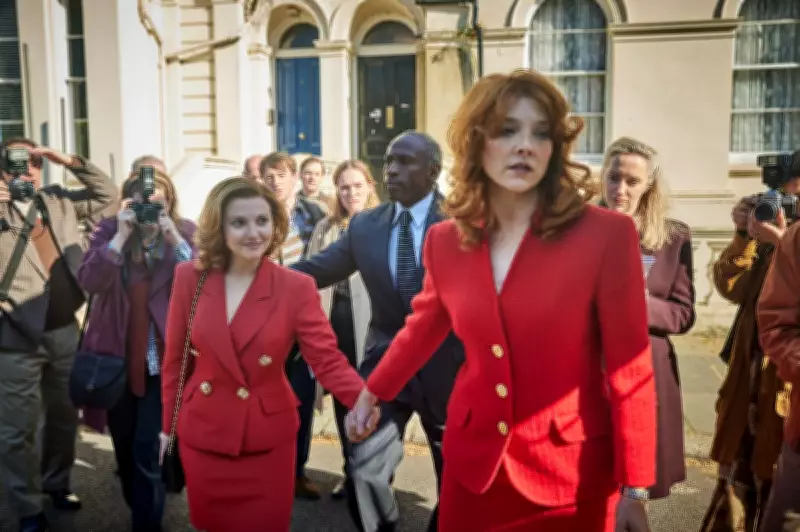
ITV's 'The Lady' Drama on Fergie's Dresser Sparks Discomfort Over True Crime Ethics
The enduring fascination with royal scandals, fuelled by shows like The Crown, has paved the way for ITV's latest offering, The Lady. This four-part drama delves into the disturbing true story of Jane Andrews, the former assistant dresser to Sarah Ferguson, Duchess of York, who was convicted of a brutal murder in the early 2000s. However, despite a talented cast and polished production, the series struggles to overcome an underlying sense of discomfort, raising questions about the ethics of true crime storytelling.
From Coastal Lincolnshire to Palace Intrigue
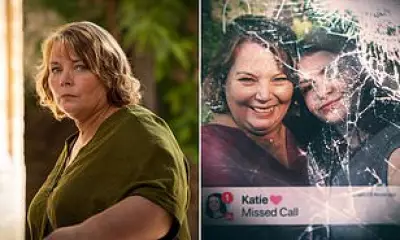
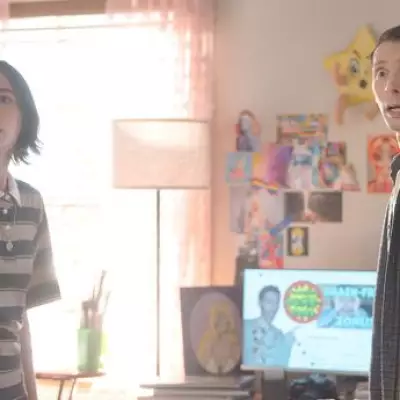
The narrative follows Jane Andrews, portrayed by Mia McKenna-Bruce, as she escapes a bleak existence in Thatcher-era coastal Lincolnshire for a glamorous role in London. With a chance interview, she becomes assistant dresser to Sarah Ferguson, played by Natalie Dormer, who takes a shine to her despite Jane's lack of polish. The trappings of palace life prove seductive, but Jane's mental health struggles and deteriorating relationship with the duchess foreshadow a dark turn.
As the drama reveals from the outset, Jane's journey culminates in a violent crime. The series aims to flesh out the tabloid headlines that dominated the early 2000s, presenting Jane as a complex figure—part ingénue, part sociopath. McKenna-Bruce delivers a compelling performance, capturing Jane's brittle vulnerability and unlikeable traits, while Dormer brings her trademark intensity to a depiction of Ferguson as an insecure prima donna.

Flat Drama and Ethical Quandaries
Despite strong performances, The Lady faces fundamental issues. Jane's character, portrayed as vain and duplicitous, elicits limited sympathy, and her arc from Cleethorpes to Sandringham feels flat. Her troubled romance with Thomas Cressman, played by Ed Speleers, lacks emotional depth, with their relationship deteriorating rapidly into accusations and conflict.
The drama's focus hinges almost entirely on Jane's association with the royal family, mirroring the tabloid obsession that originally sensationalised the case. This reliance on high-society links leaves the story feeling inert, as it repeatedly returns to the royal connection rather than exploring broader themes. Moreover, the inclusion of unproven allegations—such as rape, domestic abuse, and childhood sex abuse—adds to the discomfort, especially given that Jane Andrews, now released from prison, and the victim's family are still alive.
Production Effort Versus Prurient Origins
On a technical level, The Lady demonstrates considerable effort, with appealing period production design, a bouncy soundtrack featuring artists like Depeche Mode and Blondie, and supporting roles from actors like Philip Glenister and Claire Skinner. However, these elements cannot mask the series' origins in sleazy journalism. ITV, known for true crime dramas like The Long Shadow and The Hack, has chosen this story primarily for its dark glamour tied to royalty, rather than its merit as a compelling crime narrative.
This approach not only risks invading the privacy of those involved but also results in a drama that feels exploitative. As one character notes, "I've always had the utmost faith in British justice," but the series highlights our collective fascination with scandal over substance. While some criticisms are inherent to the true crime genre, others, such as the flat storytelling and ethical lapses, were avoidable, making The Lady a missed opportunity for meaningful drama.