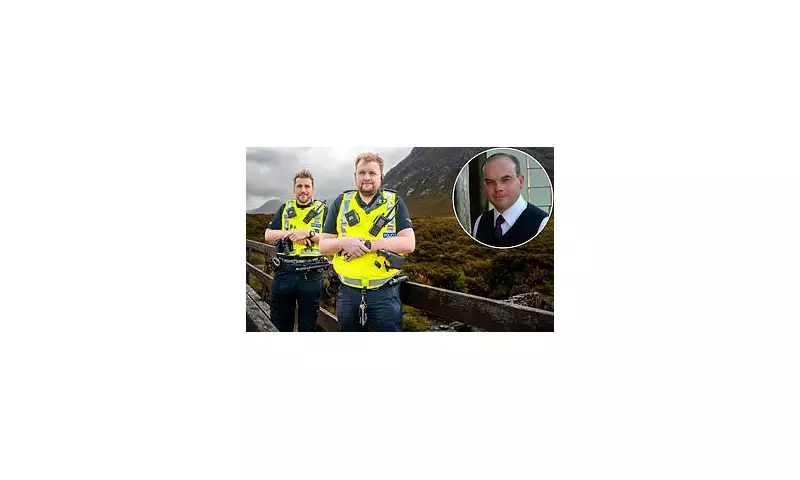
BBC Scotland's dedicated channel, which launched in 2019, has faced a challenging journey, often appearing under-resourced and struggling with audience figures for some of its flagship programmes. However, an unlikely saviour has emerged from the rugged landscapes of the north: the documentary series Highland Cops.
From rocky start to ratings triumph
The channel's early years were difficult. Technical issues meant some viewers couldn't find a consistent signal, and its flagship news programme, The Nine, was axed after failing to attract a substantial audience. Before Highland Cops, the channel's only clear success was the acclaimed drama Guilt in 2019.
Now in its third series, the fly-on-the-wall show following police in the Highlands and Islands has transformed the channel's fortunes. Each episode premieres on BBC Scotland before a network broadcast on BBC Two, and cumulatively attracts over a million viewers per outing.

This ratings performance has allowed it to beat rival programmes like Channel 4's Grand Designs House of the Year and Channel 5's Traffic Cops, marking a significant victory for both BBC Scotland and the Glasgow-based independent production company Firecrest Films.
The drama of real-life policing in a vast landscape
The series captures the unique challenges of law enforcement across a massive geographical area, larger than some European countries. Episodes feature everything from drug busts and car chases to searching for missing persons in severe weather and tackling wildlife crime.
Officers involved say the show has helped dispel the caricature of Highland policing perpetuated by older dramas like Hamish Macbeth. The real-life police are portrayed as grounded and likeable, but the true star is often the breathtaking and daunting Highland landscape itself—from the Argyll rainforests to the beaches of the Outer Hebrides.
This vast territory creates unique dangers. With many local police stations closed, officers can be dozens of miles from backup, and a serious accident on a remote road could mean a wait of hours before hospital treatment is possible.
Reflecting community and confronting crime
The series does not shy away from affecting and serious incidents. One episode, Missing in the Snow, documented the extensive search in November 2024 for a vulnerable 16-year-old boy in Stornoway's woods, a case that remains sadly unresolved.
Another, Knife Siege Chaos, followed a raid led by Detective Sergeant Daniel Smith in Stornoway, which resulted in a woman pleading guilty to dealing cannabis and other substances to young teenagers. The raid uncovered brightly coloured drugs aimed at children and over £10,000 in cash.
DS Smith, a Lewis native, emphasised his personal investment, stating: ‘I am very invested in making our community as safe as possible.’ Producer Lewis Dodds notes the legal constraints of making such a show, as many investigations cannot be aired until court proceedings conclude, a process delayed by significant backlogs in the Scottish court service.
While the Western Isles remain beyond the reach of 'county lines' drug networks, the series acknowledges that ports like Stornoway have long had issues with drugs and associated crime.
Ultimately, Highland Cops stands as an authentic and often moving portrait of the officers serving Scotland's scattered northern communities, proving to be the unexpected hit that has finally given BBC Scotland a consistent and popular success story.