The Case for Hamnet as Best Picture Winner
In the final moments of Hamnet, Agnes, Shakespeare's wife portrayed with captivating intensity by Jessie Buckley, attends her husband's new play Hamlet. Turning to her brother with a puzzled frown, she asks, "What are they talking about?" This moment encapsulates the film's powerful challenge to traditional narratives about art, creativity, and whose stories deserve to be told.
An Unexpected Contender for Hollywood's Highest Honor
Based on Maggie O'Farrell's Women's Prize-winning novel, Hamnet initially seemed like an unlikely candidate for mass appeal. The story explores the death of Shakespeare's son through a maternal lens, combining iambic pentameter with profound parental grief. Yet director Chloé Zhao, already an Oscar winner for Nomadland, has crafted something quietly extraordinary that deserves the Academy's top prize.
This film falls into that rare category of emotionally devastating cinema that viewers may never wish to experience again, yet it moves audiences in ways that feel essential. At a time when algorithms farm our attention and global crises dominate headlines, Hamnet reminds us of creativity's infinite possibilities while offering a noble, deeply felt study of motherhood that refuses confinement within domestic stereotypes.
Subverting Cultural Narratives
Zhao and O'Farrell's co-written screenplay achieves something remarkable: taking English culture's most iconic figurehead and using him to challenge centuries-old assumptions about what subjects merit "great" art, who creates it, and what that creation costs. The film insists that Shakespeare likely drew inspiration from his own family tragedy when writing Hamlet five years after his son's death, directly confronting the cliché that only women use personal experience as artistic material.
This perspective makes the traditional image of important literary men with grand callings appear almost silly. When Shakespeare murmurs about returning to London shortly after Hamnet's death, Agnes delivers a well-deserved wallop. The film asks: What is he doing writing plays when his child has died? He believed the world was out there in London's theaters, failing to recognize that the true drama unfolded at home.
Jessie Buckley's Transformative Performance
For British audiences, Hamnet represents a significant hope on the global stage, with Jessie Buckley emerging as a deserved frontrunner for Best Actress. Despite her Irish nationality alongside co-star Paul Mescal, Buckley has dominated awards season with a performance that would represent a grave injustice if overlooked by the Academy.
Buckley's Agnes appears consistently wiser than her husband—actual Shakespeare—throughout the film. With dirt-smudged cheeks and searching eyes, she remains more attuned to the world's realities while demonstrating remarkable resilience. She gives birth in a forest without epidural assistance and expresses active annoyance when her mother-in-law objects to her delivering twins there during a flood.
Agnes maintains her composure and clarity until the unimaginable occurs. Watching her realization that hope has vanished, that Hamnet has departed for a place of no return, proves emotionally devastating. Buckley's performance captures how Agnes journeys to a similar unreachable place through her grief.
A Cinematic Experience That Changes Lives
Zhao revealed in interviews that the cast and crew "felt the film in our bodies and our lives were changed by making it," describing the project as "fateful and inevitable." This mystical quality permeates the cinematography through beautiful sprawling shots of trees and roots that almost allow viewers to feel Stratford-upon-Avon's cold morning air.
Some critics have questioned whether Hamnet constitutes grief porn or historical accuracy, but such concerns miss the point. This is fundamentally a human film that humanizes Shakespeare while questioning his status as national myth. He wrote the plays, but his wife performed the mothering. Which represents more important work?
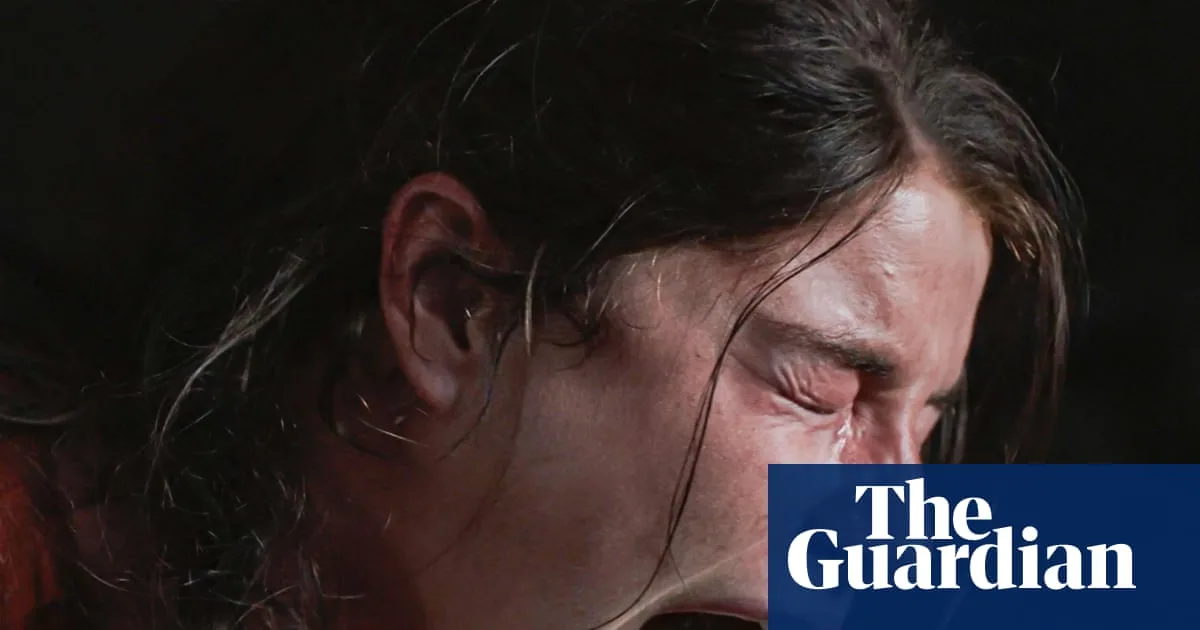
The film concludes with an enormous close-up of Jessie Buckley's face, her features transformed by motherhood's costs. This final image seems to provide the definitive answer to that profound question, leaving audiences with a lasting impression of what truly matters in art and life.