Hacks and The Comeback Nail the Humiliations of Modern Celebrity
In the world of television, few shows capture the brutal realities of fame as sharply as Hacks and The Comeback. As both series air their final seasons concurrently, they offer a darkly funny exploration of what it means to be a female celebrity over 60 in today's attention-driven culture. No indignity is too great for their leads, who pursue comebacks at any cost, revealing the absurd pressures of algorithm-era stardom.
The Desperate Pursuit of Legacy in Hacks
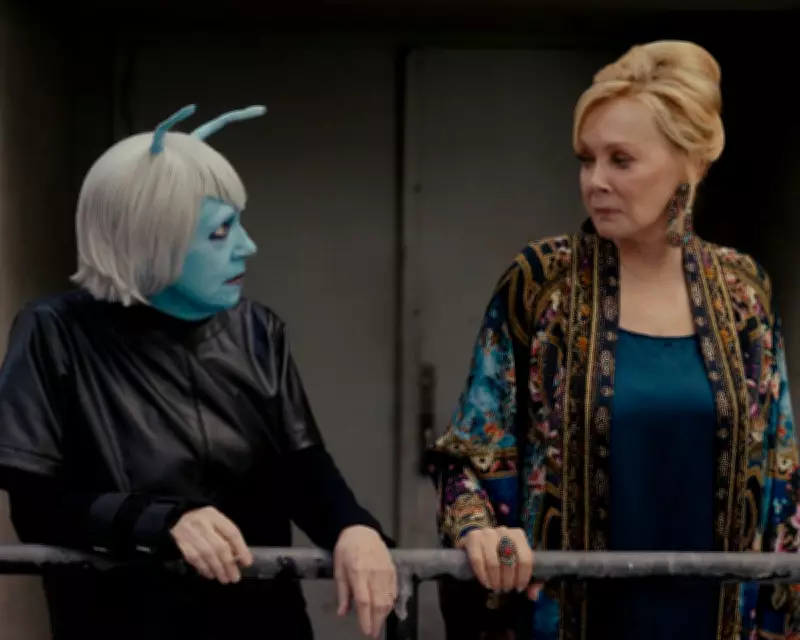
The fifth and final season of Hacks finds legendary comedian Deborah Vance, portrayed by Jean Smart, in a familiar crisis. After a controversial exit from America's top late-night talkshow, a vengeful non-compete clause bars her from performing new material. Freshly resurrected from a false TMZ death report, Deborah fears her lifetime of work will be defined by this premature departure. To secure her legacy, she sets her sights on staging a major comeback show at Madison Square Garden, stopping at nothing to make it happen.
This season, we've already seen Deborah rallying her fans, the "Little Debbies," at a convention alongside a blue-painted Ann Dowd, and previews hint at her dancing in a clown costume. These moments underscore how external pressures, like chasing ratings and social media virality, dim her comedic talent. Last season, her hosting gig involved stalking Kristen Bell and featuring TikTok stars, highlighting how commercial demands force her into endless promotional cycles rather than genuine comedy.

The AI-Driven Desperation of The Comeback
Not uncoincidentally, The Comeback begins its final season on a similar note of desperation. Valerie Cherish, played by Lisa Kudrow, scores a career lifeline with a lead role in a new sitcom, but there's a catch: the script is written by AI, a secret she must keep. This toe-curling scenario, crafted by Kudrow and collaborator Michael Patrick King, mocks the indignities of modern fame, where even iconic stars must chase relevance through gimmicks.
In this season, Valerie tries and fails to master a dumbed-down "Real Housewives version" of Chicago on Broadway and goes viral on The Traitors for being useless. Her social intern, Patience, scurries to record clips, emphasizing that having a craft is no longer enough; constant content creation is required to stay relevant. The show's premise revolves around Valerie clinging to cultural value through new media, from reality TV to AI, while secretly yearning to be taken seriously as a comedy actor.
Symmetry in Satire and Cultural Commentary
There is a satisfying symmetry to these HBO sitcoms, both starring women over 60 and ostensibly about the painstaking process of making people laugh. They illuminate a cultural habit of projecting "comeback" narratives onto women who feel societal pressure to constantly reinvent themselves. These shows mock how today's fame economy forces stars to chase clicks and algorithms, making the demands of modern celebrity the bleakest—and funniest—punchline.
In Hacks, Deborah's sudden obsession with achieving Egot status leads her to record a Spanish music album for a Grammy, but her assistant Ava reminds her that her legacy is comedy, not awards. Similarly, The Comeback reveals Valerie's underlying desire for artistic respect amidst AI-driven scripts. Both protagonists, cornerstones of old-school celebrity, are judged by today's attention economy, where silence equals obscurity.
Broader Implications for Female Artists
These narratives reflect a broader cultural addiction to comeback stories for talented women, as seen in real-life examples like Madonna's Confessions II or Taylor Swift's observations in Miss Americana. Swift noted that female artists must remake themselves far more than males to avoid being deemed irrelevant. In Hacks, Deborah sums it up during a secret gig: "When you're away from the spotlight, you have time to think about what really matters ... The spotlight!"

Ultimately, Hacks and The Comeback reveal the extreme, undignified lengths women like Deborah and Valerie will go to stage the perfect comeback. But they also pose a critical question: should they have to? As these shows conclude, they leave viewers pondering the relentless pressures of modern fame and the true cost of staying relevant in an ever-shifting cultural landscape.