Emerald Fennell's Wuthering Heights Adaptation Turns Gothic Horror into Hollow Sex Romp
Fennell's Wuthering Heights: Gothic Horror to Hollow Sex Romp

Emerald Fennell's Wuthering Heights Adaptation Turns Gothic Horror into Hollow Sex Romp

Emerald Fennell's cinematic interpretation of Emily Brontë's classic novel Wuthering Heights fundamentally misrepresents the source material, transforming the gothic horror masterpiece into a sanitized, sexually charged spectacle that loses all narrative depth. The adaptation neuters Heathcliff's original characterization as literature's prototypical incel, instead presenting him as a romanticized lead devoid of the malicious complexity that defines Brontë's creation.

The Literary Incel Versus the Sanitized Hero

In Brontë's 1847 novel, Heathcliff embodies the essence of what modern discourse would term an incel—a man consumed by bitterness and hatred after being denied romantic fulfillment. His decades-long vendetta against Cathy for marrying another man drives a narrative of abuse, vengeance, and supernatural horror. Fennell's version, however, strips away this psychological darkness, rendering Heathcliff as a hollow, eroticized figure whose evil acts are diluted into mere kinks.

The film opens with a tone-setting sequence that uses quickening breaths and squeaking sounds to simulate masturbation, only to reveal a public hanging. This edgy, provocative approach typifies Fennell's direction, where shock value substitutes for substance. When the condemned man gasps for air, peasant boys crudely heckle about his arousal, while a nun overseeing the execution rolls her eyes as if in sexual climax. These gratuitous moments establish a pattern of superficial provocation that undermines the story's gothic roots.

Wide Pickt banner — collaborative shopping lists app for Telegram, phone mockup with grocery list

Misunderstanding the Source Material

Fennell has publicly described Brontë's novel as "dense" and "difficult," a perspective that arguably explains the adaptation's fundamental flaws. Unlike Greta Gerwig's acclaimed Little Women, which honored its source while innovating, Fennell's film seems confused about its own identity. Early scenes depict young Cathy being yanked under a bed by Heathcliff like a cheap horror movie trope, while the Wuthering Heights house itself is portrayed as a Disney-fied hellscape on the Yorkshire moors.

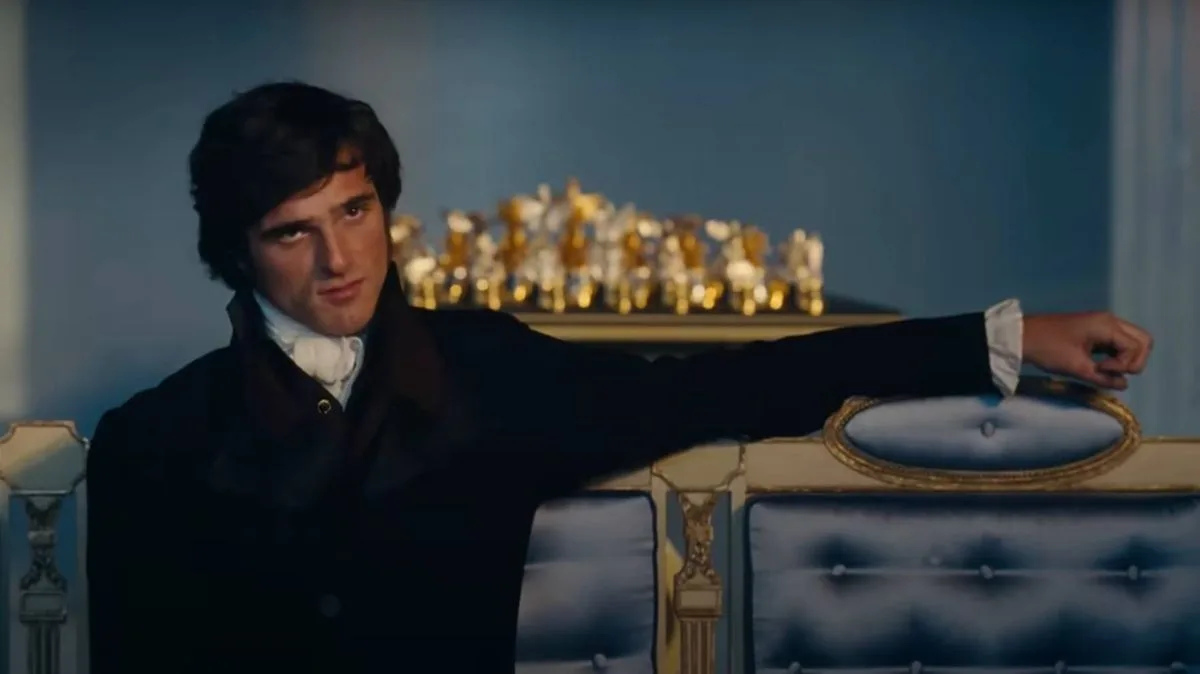
The casting further compounds these issues. Jacob Elordi's attempt at a Yorkshire accent for Heathcliff is garbled and inconsistent against the standard English accents of the supporting cast. In the original text, Heathcliff's "Otherness" is rooted in his implied racial identity as a man of color, but Fennell whitewashes this aspect, using only the accent to signal difference. This decision feels lazy at best and culturally negligent at worst, missing an opportunity to comment on class or racial divisions.

Sexualization Without Substance

Throughout the film, glistening abs and corset-bursting breasts abound in what critics describe as an "unnecessarily horny yet totally sexless" portrayal. Heathcliff is reduced to a walking cliché, licking his lips and eyeing Cathy while delivering lines like, "We are not children—I cannot play with you." The erotic elements feel contrived, employing sloppy liquid imagery such as kneaded bread dough and close-ups of egg whites to evoke sexuality, but these moments lack emotional resonance.

Fennell incorporates porno tropes—choking, carriage quickies, dirty talk, and voyeurism—yet fails to capture the genuine eroticism or horror of Brontë's work. In one particularly jarring scene, Cathy masturbates on the moors after hearing dough-slapping sounds, only for Heathcliff to lick her fingers. These sequences prioritize shock over narrative coherence, turning the film into a hollow edge-lord fantasy.

Neutering Evil into Kink

Most egregiously, the adaptation sanitizes Heathcliff's atrocities. In the novel, he murders dogs, imprisons Isabella, and rapes her as part of his calculated cruelty. Fennell reframes this as a consensual dominant/submissive relationship, with Heathcliff asking, "Do you want me to stop?" and Isabella nodding agreement. This portrayal neuters the character's inherent evil, transforming brutal acts into palatable kinks.

Pickt after-article banner — collaborative shopping lists app with family illustration

By romanticizing Heathcliff, the film risks misleading younger audiences unfamiliar with the text. Viewers may interpret his sadism as acts of love, perpetuating dangerous narratives amid rising incel culture and misogyny. Brontë's Heathcliff is a fiery wrecking ball of hatred, not a doe-eyed romantic hero, and Fennell's failure to grasp this distinction results in a adaptation that misses the point entirely.

Ultimately, Emerald Fennell's Wuthering Heights trades gothic depth for superficial provocation, creating a film that is as sexless as it is unnecessarily erotic. It whitewashes the source material, misunderstands its themes, and offers a sanitized version of a character who should terrify, not titillate. For fans of Brontë's classic, this adaptation is a disappointing departure that prioritizes style over substance.