Stephen Colbert has officially announced that the final episode of The Late Show will air on May 21, marking the end of a ten-season run on CBS. The 61-year-old host revealed the news during an appearance on Late Night With Seth Meyers, with a clip shared on the show's Instagram account. In the emotional moment, Colbert stated, "It feels real now ... it did not feel ... I mean, I know it was real, but now, there's four months left." This update comes over six months after CBS and Paramount cancelled the programme last summer, citing declining revenues in the late-night television landscape.
Political Controversy Surrounds Cancellation Decision
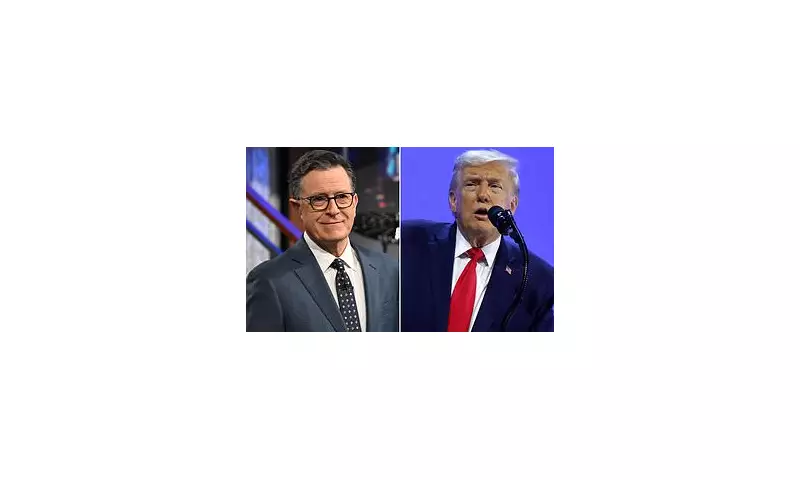
The cancellation has ignited considerable controversy, with some commentators suggesting it was politically motivated to appease one of Colbert's most powerful critics: former President Donald Trump. Colbert, known for his left-leaning commentary, has been a long-running critic of Trump, who praised the network's decision. Others argue it was purely a business move, as the host's politics alienated a significant portion of the potential audience. The debate highlights the shifting dynamics in American media under Trump's influence.
Colbert Reflects on Legacy and Venue
Born in Washington, D.C., Colbert expressed nostalgia for the iconic New York City venue where the show was filmed, the Ed Sullivan Theater, which he inherited from previous CBS late-night host David Letterman. He remarked, "Listen, you can do comedy in a lot of different places - there's no place like the Ed Sullivan Theater." Additionally, Colbert praised his staff as a key aspect he will miss, saying, "It's really the people: That's really what I care about. That's really what I'm going to miss more than anything."

Emotional Studio Announcement and Industry Reactions
In July, Colbert delivered an emotional statement to his studio audience, confirming the show's end. He said, "Before we start the show, I want you to know something that I found out just last night. Next year will be our last season. The network will be ending The Late Show in May. It's not just the end of our show, but it's the end of The Late Show on CBS. I'm not being replaced. This is all just going away." The move has drawn mixed reactions within Hollywood, with support from figures like Letterman and criticism from others.
Sandra Oh's Controversial Comments
Emmy-winning actress Sandra Oh, 54, sparked further debate during a July 22 episode of The Late Show. The two-time Golden Globe winner expressed solidarity with Colbert, stating, "Like probably everyone here and everyone who is so supportive outside wants to say that I am so sorry and saddened and properly outraged for the cancellation of late-night here." She added, "Not only for yourself and for this entire family who are here, but for what it means, of what it means where we are in our culture and what it means for free speech." Oh concluded with a sharp critique, telling Colbert, "To CBS and Paramount - a plague on both of your houses."
Business Versus Politics in Late-Night TV
Tony Dokoupil of CBS Mornings countered the political narrative, arguing that the cancellation was driven by economic factors. He explained, "The business is broken. And what no one seems to acknowledge is that the politics also changed. The business changed and so did the politics, and it got way more one-sided than anything Johnny Carson was ever doing." Dokoupil emphasised that the late-night landscape has evolved, with shifting audience preferences and revenue models impacting decisions.
Merger Speculations and Industry Insights
Some critics, including former The Daily Show host Jon Stewart, suggested the cancellation was tied to the $8 billion merger between Paramount and Skydance Media, which needed approval from the Federal Communications Commission under Trump's administration. Stewart claimed, "The shows that you now seek to cancel, censor and control, a not insignificant portion of that $8 billion value came from those f***ing shows." However, Dokoupil dismissed this, stating, "I don't have an MBA but he's not right that the merger, the $8 billion, is based on reruns of a comedy show, no. People are buying the movies and the sitcoms and the sports."

As The Late Show approaches its finale, the discussions continue to blend issues of free speech, corporate strategy, and cultural shifts in television. Colbert's departure marks a significant moment in late-night history, reflecting broader trends in media and politics.