Missing The Night Manager? This Classic BBC Le Carré Adaptation Is Essential Viewing
If the explosive conclusion of The Night Manager's second series has left you yearning for more intricate webs of deception and moral complexity, there exists a perfect remedy. Currently available on BBC iPlayer sits the broadcaster's seminal 1979 adaptation of Tinker Tailor Soldier Spy, which remains the most electrifying distillation of John le Carré's work ever committed to television.
A Masterpiece of Patience and Payoff
Widely regarded as one of the greatest British television dramas ever produced, Tinker Tailor Soldier Spy anticipated the box-set era by decades. Its seven meticulously crafted episodes unfold with deliberate languor, demanding viewer patience that is richly rewarded. The narrative follows George Smiley's hunt for a Soviet mole deeply embedded within MI6, a plot inspired by the notorious double agent Kim Philby, who once deceived le Carré himself during the author's own intelligence service days.
The Unforgettable Central Performance
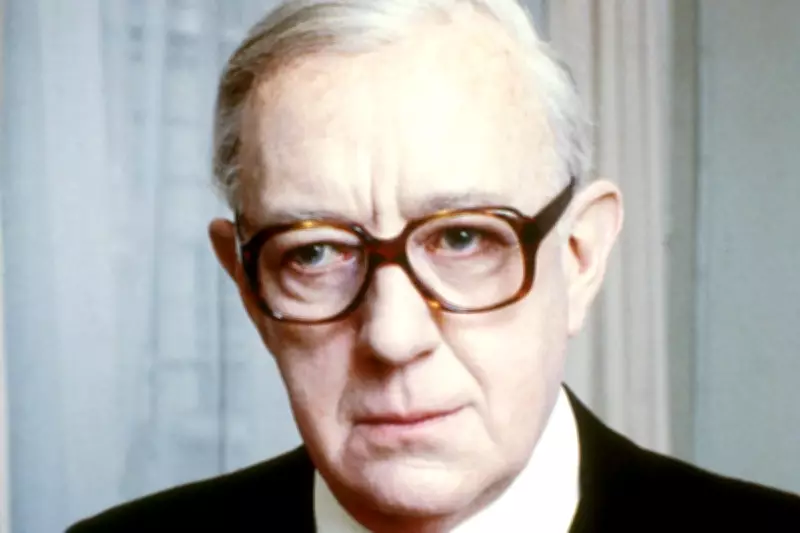
At the heart of this adaptation lies Sir Alec Guinness's extraordinary portrayal of George Smiley. Initially uncertain about taking the role due to lacking the character's described soft bulk, Guinness delivers a performance of masterful restraint. His Smiley is an impassive figure, an elderly academic in an unprepossessing cardigan whose low-key menace emerges through the subtlest facial expressions and his repeated habit of cleaning his glasses. The character's agonising silences become a form of psychological torture, compelling suspects to crack under the unbearable vacuum.

A Revolutionary Approach to Espionage Drama
Adapted by Arthur Hopcraft, Tinker Tailor represents a masterclass in slow-burn tension that was genuinely revolutionary for its time. The series placed unprecedented trust in audience intelligence, favouring suspense over action and psychological interrogation over physical pursuit. This approach created psychologically intense, drawn-out scenes that established a template followed by modern thrillers like Line of Duty, with their emphasis on gradual pressure-building and layered revelation.
Unmatched Authenticity and Atmosphere
While Tomas Alfredson's sleek 2011 film adaptation offered an accomplished take on the material, the BBC series distinguishes itself through unparalleled verisimilitude. Rather than presenting a stylised version of the 1970s, the television production simply was the 1970s – complete with awful furniture, white leather, avocado bathroom suites, and pallid faces under fluorescent lighting. Released as Britain's deepening economic malaise swept Margaret Thatcher into power, the series made no attempt to prettify its depiction of national decay, with the period decor itself becoming a character in the drama.
The Definitive Expression of Le Carré's Vision
Just as The Night Manager depicts the gleaming surfaces of contemporary international corruption, Tinker Tailor presents a Britain in visible decline, its secret service populated by privileged public schoolboys with bottled-up resentments. Le Carré's novels consistently interrogated Britain's refusal to accept its diminishing global status, and here that decline was made visceral, underscored by Geoffrey Burgon's elegiac score capturing end-of-empire melancholy perfectly.
The author himself, who lived to see his work flourish in the streaming age, cited this BBC adaptation as his favourite screen version of his work. He credited "the marvellous direction and casting" for bringing the book's "clandestine vocabulary" to life, noting that Guinness and the cast approached it as "a love letter to a fading British establishment."
While The Night Manager demonstrates how brilliantly le Carré's world translates to modern prestige drama with globetrotting scope and contemporary anxieties, for the purest expression of his literary vision, nothing surpasses that original 1979 adaptation. For audiences mourning the conclusion of The Night Manager, this classic series represents the ultimate tonic – a timeless masterpiece of television that rewards patient viewing with unparalleled dramatic payoff.