Carol Burnett Recalls CBS's Solitary Content Warning During Iconic Show's 11-Year Run
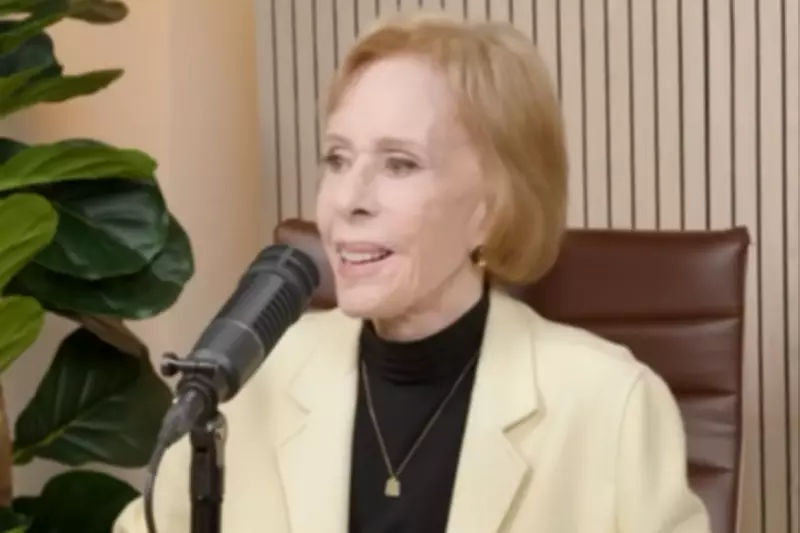
Comedy icon Carol Burnett has revealed that CBS executives offered only a single piece of content feedback throughout the entire 11-year broadcast of her legendary sketch programme, The Carol Burnett Show. The 92-year-old entertainer made this surprising disclosure during a recent podcast appearance, highlighting a stark contrast to the current period of upheaval and intense editorial scrutiny facing the network.
A Remarkable Era of Creative Freedom
Burnett hosted her eponymous comedy series on CBS from 1967 until 1978, working alongside a celebrated core ensemble that included Vicki Lawrence, Tim Conway, Harvey Korman, and Lyle Waggoner. The production was a substantial undertaking, featuring a 28-piece orchestra and requiring up to 70 costumes each week. Despite this scale, Burnett emphasised that network oversight was minimal.
"CBS left us alone," Burnett stated during an episode of Amy Poehler's Good Hang podcast. "There was one note in 11 years." This solitary intervention concerned a sketch where Burnett portrayed a character in a nudist colony.

The Infamous Nudist Colony Sketch
Burnett recounted the scene in detail, describing how she appeared behind a fence marked "Keep out," with bare shoulders and legs visible, wearing only high-top tennis shoes. Harvey Korman provided a voiceover, interviewing her character with a series of jokes about nudist colony life. "No big deal," Burnett remarked about the initial setup.
The sketch continued with her character mentioning that the colony held dances every Saturday night. When asked how they managed these events, the original line stated they did them "very carefully." It was this specific phrasing that prompted CBS's lone note.
"The network said, 'That was too blue. You have to change that line,'" Burnett recalled. Podcast host Amy Poehler humorously observed that such mandated changes can sometimes result in material that is "even dirtier," a point Burnett confirmed. The revised line delivered was: "Cheek to cheek." According to Burnett, CBS's response was succinct approval: "They left, and they were like, 'That's good.'"
A Stark Contrast to Modern Network Turmoil
Burnett's reflections on a bygone era of relative creative autonomy emerge as CBS navigates a profoundly turbulent period. The network has faced significant internal and external challenges since the appointment of Bari Weiss as editor-in-chief of CBS News in October. Her tenure has been marked by plummeting staff morale and intense criticism over editorial decisions.
Notable controversies include the last-minute cancellation of a 60 Minutes segment about Venezuelan migrants deported to a violent Salvadoran prison, which later aired in January after premiering in Canada. Weiss has also faced backlash over the rebranded CBS Evening News with Tony Dokoupil, criticised by some as "MAGA-coded" and plagued by poor ratings, technical failures, and behind-the-scenes chaos.
Structural upheaval has compounded these issues. A 10 percent payroll cut mandated by David Ellison, boss of CBS's parent company Paramount, led to roughly 1,000 CBS News employees being laid off. These cuts followed Paramount's politically fraught $8 billion merger with Skydance Media, a deal that precipitated the shutdown of several news programmes, including The Late Show With Stephen Colbert, which will air its final episode in May. CBS has stated the show's cancellation was unrelated to Paramount's $16 million settlement of a lawsuit with Donald Trump concerning a 60 Minutes interview.
Against this backdrop of modern corporate strife and editorial friction, Carol Burnett's anecdote serves as a poignant reminder of a different television landscape, where a single, humorous line alteration represented the extent of network interference for an entire decade of groundbreaking comedy.