The Independent's journalism is supported by our readers. When you purchase through links on our site, we may earn commission.
Bridgerton Faces Criticism After Fans Spot Modern Accessory in Period Setting
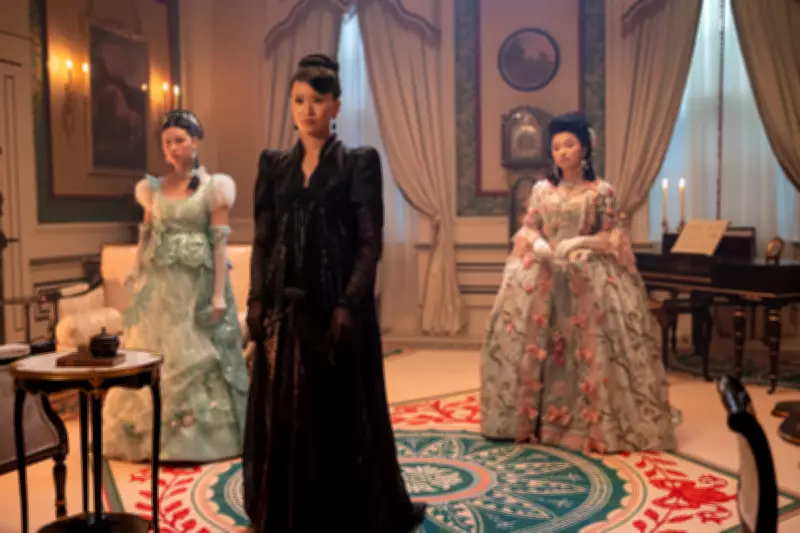
Netflix's lavish period drama Bridgerton has found itself at the centre of a fresh historical accuracy debate after eagle-eyed viewers spotted a distinctly modern accessory in season four. Fans of the popular Regency-era series have called out the show's editors for failing to catch a small, flesh-coloured Band-Aid visible on actress Katie Leung's ear during certain scenes.
The Anachronistic Detail That Slipped Through
Katie Leung, who portrays the character Lady Araminta in the latest instalment, appears to be wearing the tiny adhesive bandage on her ear cartilage in several shots. The patch is believed to have been used to cover a contemporary ear piercing, an accessory that would have been conspicuously out of place in the early nineteenth-century setting of the show.

While Bridgerton has never positioned itself as a strictly historically accurate production, the appearance of a Band-Aid – an invention that did not exist until 1920 – has sparked considerable discussion among the show's dedicated fanbase. Social media platforms have been buzzing with commentary about the editing oversight, with many viewers expressing surprise that such a modern detail made it into the final cut.
Social Media Reacts to the Costume Controversy
The discovery was initially highlighted in a TikTok post that quickly gained traction online. "It's a cover-up for an ear piercing," one user speculated, while another suggested alternative solutions: "Yeah, I wish they had covered it better – like put a fancy ear cuff up there or something."
The original poster responded to these suggestions, noting: "Very true. She isn't wearing it in other scenes so maybe they just forgot while doing takes. I am obsessed with the outfits so of course I'm analysing every detail."
This attention to sartorial precision reflects the intense scrutiny that high-profile period dramas like Bridgerton face from their audience, particularly when it comes to maintaining visual consistency within their fictional worlds.
Divided Opinions on Historical Authenticity
The Band-Aid revelation has prompted wider conversations about how much historical accuracy audiences should expect from entertainment-focused period pieces. Some commenters have defended the production, pointing out that Bridgerton has never claimed to be documentary-style historical fiction.
"Guys it's Bridgerton. It's not supposed to be historically accurate," one social media user remarked, while another noted the show's previous use of contemporary beauty standards: "As some commenters on the post noted, the show has used fake eyelashes and nails in the past."
Others have questioned why viewers are focusing on such minor details. "I don't get why anyone cares about this stuff tbh," wrote one commenter. "It's very subtle and Bridgerton clearly doesn't care about historical accuracy. People in the comments complaining about seeing piercing holes the actors have are wild. They have lives outside of their roles."
Another viewer adopted a more pragmatic approach: "Y'all need to learn to just watch and move on. It's not that serious. I didn't even notice something so small."
Netflix's History of Historical Inaccuracies
This incident marks another entry in Netflix's catalogue of anachronistic editing oversights. The streaming giant faced similar criticism when the fifth and final season of Stranger Things was released in December. Viewers complained about spotting an Under Armour logo on a character's shirt in a scene set in 1987 – despite the sportswear brand not being founded until 1996.
In that instance, Netflix responded by quietly removing the offending logo from the scene approximately one week after the volume's release. The platform has not yet commented on the Bridgerton Band-Aid situation, with representatives failing to immediately return The Independent's request for comment regarding the latest anachronism.

The continued occurrence of such details slipping through the editing process raises questions about the quality control measures employed by major streaming services during post-production, particularly for shows with substantial budgets and global audiences.
As period dramas continue to dominate streaming platforms, the tension between creative interpretation and historical authenticity remains a persistent point of discussion among both creators and consumers of television content.