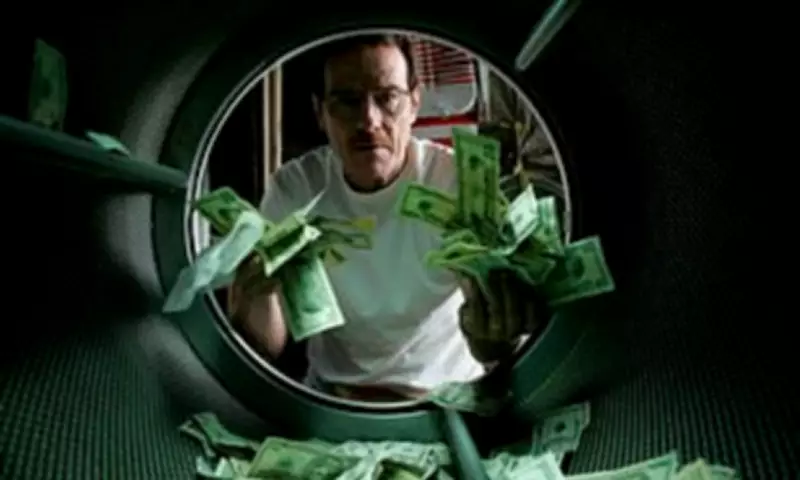
Devotees of the acclaimed television series Breaking Bad have expressed widespread dismay and frustration after the show's historic achievement on the IMDB platform was abruptly ended following a sustained period of thirteen years. The record-breaking perfect score for the series' pivotal episode has been controversially removed, sparking a fierce online conflict between fan communities.
The Fall of a Television Titan
The American crime drama, which originally aired between 2008 and 2013, chronicled the dramatic transformation of Walter White, portrayed by Bryan Cranston, from a mild-mannered high school chemistry teacher into a formidable criminal mastermind. Following a terminal cancer diagnosis, Walter embarks on manufacturing crystal methamphetamine to secure his family's financial future, setting the stage for one of television's most compelling narratives.
A Record Long Held
For more than a decade, Breaking Bad's fourteenth episode of its fifth season, titled Ozymandias, maintained an unparalleled position on the IMDB ratings platform. It stood as the singular television episode to achieve a flawless perfect score of 10 out of 10, a testament to its critical and audience acclaim. This episode, which features the dramatic death of DEA agent Hank Schrader, played by Dean Norris, had become a benchmark for television excellence.

The Catalyst for Change
This longstanding record has now been unexpectedly disrupted, not through organic critical reappraisal, but through coordinated action by viewers of the fantasy series Game of Thrones. According to reports from Metro, a significant wave of deliberately negative reviews, a practice commonly known as review-bombing, systematically targeted the episode. This orchestrated campaign successfully reduced its rating from the perfect 10 to a 9.5, consequently demoting it to the 767th position in the overall rankings.
Escalating Fan Conflicts
The rivalry intensified with the debut of the HBO prequel series, A Knight of The Seven Kingdoms. Upon the release of its penultimate episode, it momentarily shared the coveted top IMDB rating with Breaking Bad's Ozymandias. Although its score subsequently decreased to 9.9 and then 9.8, this brief parity ignited a retaliatory review-bombing war between the two fan bases.
Fans have openly admitted to participating in these tactics. On the discussion page for A Knight of The Seven Kingdoms, one viewer explicitly stated, 'I rated this episode 1 star purely out of loyalty. As a hardcore Breaking Bad fan, I can't forget how Game of Thrones fans review-bombed BB with 1 stars. So this is payback energy.' Another contributor echoed this sentiment, describing their action as 'just defending the honour of Breaking Bad and Ozymandias.'
A Broader Pattern of Disruption
This incident is not an isolated occurrence in the digital ratings landscape. In December 2025, the sports drama series Heated Rivalry saw its fifth episode, I'll Believe In Anything, temporarily equal Breaking Bad's record with a perfect 10-star rating. This episode surpassed other highly-rated installments from series such as Six Feet Under and BoJack Horseman, indicating the volatile nature of online audience scoring.
Plea for Sanity Amidst the Chaos
Amidst the escalating conflict, some voices have called for a cessation of the review-bombing campaigns. A commentator on the Breaking Bad episode page directly challenged the practice, posting, 'You all stand accused of Review Bombing. How do you answer these charges?' Another pleaded for both fan communities to halt the coordinated attacks, urging viewers to 'rate them honestly not under influence of ego.'
Concurrently, A Knight of The Seven Kingdoms has garnered significant praise from its viewership following its season one finale, titled The Morrow. Fans have enthusiastically described the show as the 'best series of the year' and the finale as a 'masterpiece', with many expressing deep emotional resonance with its poignant conclusion. This positive reception stands in stark contrast to the adversarial ratings war playing out on the IMDB platform.

The situation highlights a growing tension between genuine audience appreciation and the manipulative potential of organized online campaigns, raising questions about the integrity and reliability of crowd-sourced review systems for cultural products.